The escalation of Russian strikes on industrial enterprises, energy facilities, and export infrastructure has triggered a massive crisis in the Ukrainian economy. A key development has been the de facto cessation of steel smelting and severe losses in the agricultural sector caused by the blockade of sea ports. According to an Associated Press report, the current situation in the metallurgy industry is the most severe since World War II, exerting a devastating impact on related sectors and the country's macroeconomic indicators.
Blow to Key Enterprises and the Shutdown of Kametstal
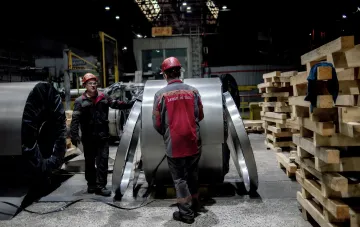
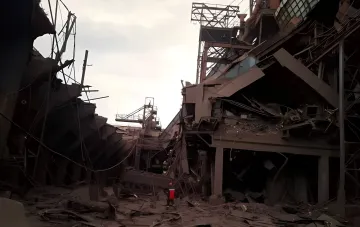
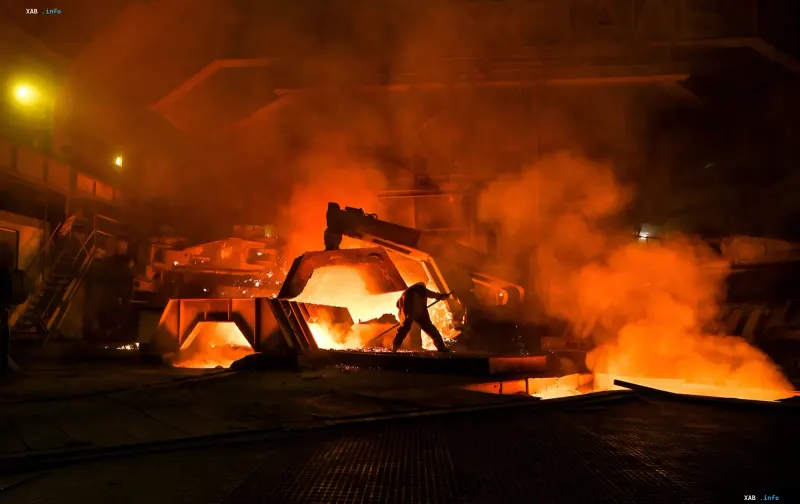
Missile attacks have crippled the country's most vital metallurgical production facilities. The Kametstal plant in Kamenskoe suffered particularly severe damage; in 2025, it accounted for over a quarter of Ukraine's total steel production. The enterprise came to a halt following a strike by five ballistic missiles on September 5. The plant produced pig iron and steel for the domestic construction market and also supplied semi-finished products to Metinvest's European facilities.
Kametstal CEO Oleksandr Tretiakov stated that the shutdown of the plant has already affected related sectors, including mechanical engineering, the mining industry, energy, and construction. Companies dependent on the plant are forced to cut staff or halt operations entirely. In addition, Ukrzaliznytsia is suffering serious losses, as its logistics are critically tied to the transportation of ore, metal, and other heavy cargo.
Chain Reaction for the Economy, Budget, and Exports
The shutdown of metallurgical giants and problems with Black Sea ports have triggered a destructive chain reaction across the entire economy. According to Lloyd's List Intelligence, in August, the number of vessel calls at Ukrainian ports decreased by approximately 90% year-on-year. Rerouting cargo to land corridors and the Danube has led to a sharp increase in logistics costs. Metinvest also points to additional difficulties caused by trade restrictions from the European Union.
The reduction of metal and agricultural exports entails a drop in foreign exchange earnings, tax revenues, and state budget proceeds. Roksolana Pidlasa, head of the Verkhovna Rada Budget Committee, warned of an unprecedented funding deficit since the beginning of the full-scale invasion. Under conditions where about 40% of the country's GDP is directed toward defense, financing other protected expenditure items is becoming an increasingly difficult task.
Macroeconomic Consequences and NBU Forecasts
The current situation directly affects the general indicators of state development. In its October inflation report, the National Bank of Ukraine forecasts that infrastructure shelling and the port blockade in the second half of 2026 will reduce real GDP growth by 1.9 percentage points. Direct foreign trade balance losses are estimated at 6.6 billion dollars.
Amid growing pressure, authorities and businesses have to look for alternative logistics routes and adapt to severe restrictions. However, experts note that without restoring basic production chains and unblocking sea routes, overcoming the current economic downturn and stabilizing budget indicators will be extremely difficult.