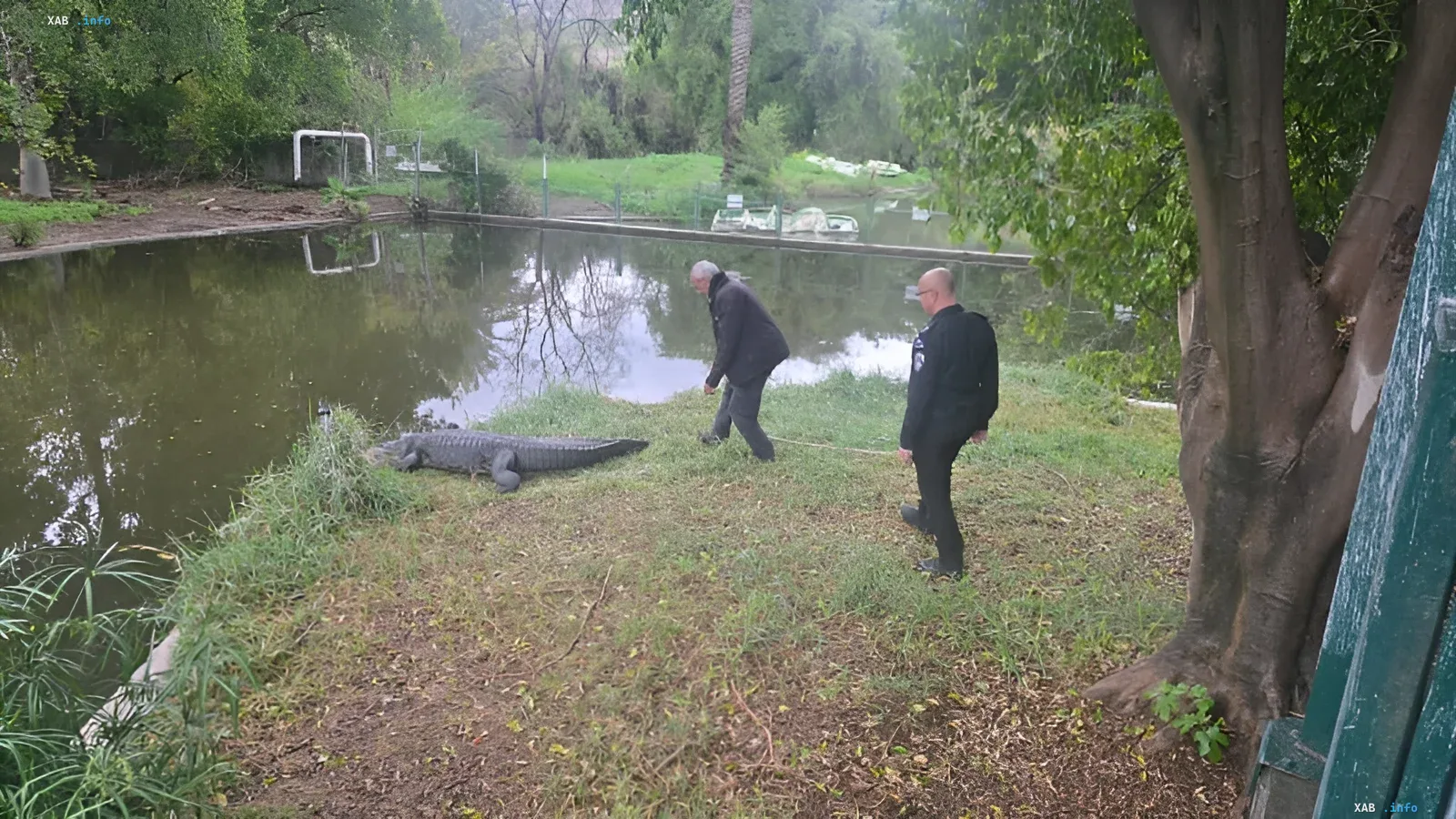
A unprecedented reform is being prepared in the Israeli prison system that could forever change the perception of inmate security. At the end of 2025, Minister of National Security Itamar Ben-Gvir put forward a radical proposal: to surround the perimeter of prisons with moats populated by Nile crocodiles. The idea, which sparked a flurry of discussion, aims to create an insurmountable barrier that physically prevents any escape attempts.
From Idea to Legal Reality
Initially, the plan faced a serious obstacle. The Israel Nature and Parks Authority deemed the proposal legally unfeasible. According to existing legislation, Nile crocodiles are classified as wild animals, the keeping of which is permitted exclusively in zoos and specialized reserves. Prisons were not on this list.
However, the situation changed radically in mid-July. Minister of the Environment Edith Shtain, acting in close coordination with her government colleague, declared Nile crocodiles "carefully protected animals." This legal maneuver, in essence, lifted the ban on keeping reptiles in government institutions, paving the way for their placement in places of incarceration.
Pressure on Officials and a Visit to the Farm
The decision to change the status of the animals was not made without pressure. As Israeli media reports, Ben-Gvir and Shtain personally met with the legal counsel of the Environmental Protection Department and the head of the Nature and Parks Authority, Raya Soraki. The goal of the meeting was to convince the departments of the necessity of implementing the plan.
It is worth noting that the department's legal counsel warned Ms. Shtain that she lacked the authority to unilaterally change the status of animals and prepare the ground for their use in prisons. Nevertheless, the process moved forward.
In January 2026, the practical implementation of the idea reached a new level. High-ranking officials of the Israel Prison Service (IPS) visited a crocodile farm in Hamat Gader in the north of the country. The tour was organized to familiarize them with the specifics of keeping reptiles and to assess their potential as a means of perimeter security.
The Economics of Security: Why Young Crocodiles Were Chosen
According to sources, the Israel Prison Service responded positively to the minister's proposal. As a pilot project, Ketziot Prison in the south of the country, which holds predominantly Palestinian inmates, is being considered.
Department experts concluded that it is not necessary to purchase adult giants to implement the plan. The cost of an adult Nile crocodile is about $20,000, while young individuals cost approximately $8,000. An IPS source, commenting to the Maariv newspaper, noted:
"It is a relatively small sum compared to investments in security, and the results are even better".
The department is confident that smaller crocodiles, which are no less dangerous than their adult counterparts, will thrive in the conditions of a prison yard, creating an effective and economically beneficial protection system.