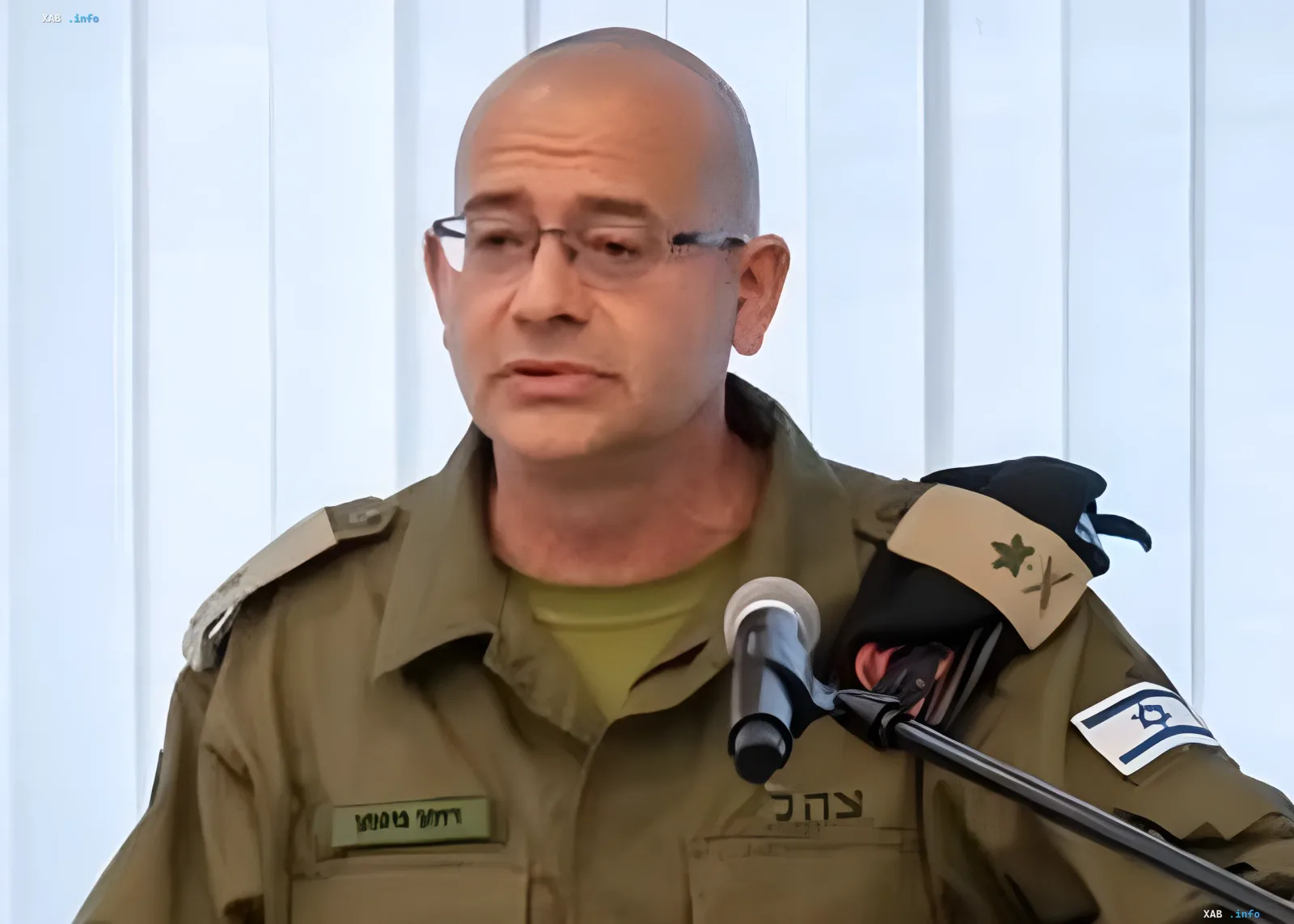
The Israeli intelligence agency Mossad is radically changing its strategic priorities, placing an unprecedented emphasis on the Russian direction. At the center of these changes is a new figure heading the intelligence service: Major General Roman Hoffman. His appointment has caused serious concern in the Russian leadership, as evidenced by analytical materials from pro-government media.
Profile of the New Director
Roman Hoffman is a man with a unique background for Israeli intelligence. Born in Belarus during the Soviet era, he rose from a junior officer to a division commander. In the years leading up to his appointment as head of Mossad, he served as the military secretary to Prime Minister Benjamin Netanyahu, with whom, according to sources, he maintains a relationship of trust.
A key factor causing concern in Moscow is that Hoffman speaks Russian fluently. This allows him not only to understand the mentality and working methods of Russian structures but also to effectively build networks of contacts in the post-Soviet space.
Strategic Reorganization
Under the leadership of the new director, Mossad has effectively merged two key directions: the Russian and Iranian sectors. They now function as a single entity, allowing for the exchange of resources and operational information between these areas of responsibility.
Analysts in Russia highlight three main vectors of work for the updated intelligence service:
- External Neutrality and Work in Syria: The intelligence service maintains formal neutrality, yet actively conducts strategic calculations and information exchange regarding the situation in Syria, where Russian and Israeli interests intersect.
- The Diaspora Resource: More than a million people from the former USSR live in Israel. This creates a unique mechanism for gathering information and recruiting agents, which will now operate with new intensity.
- Technological Monitoring: Israel is actively implementing deep technology monitoring, acting as a consumer of data on the latest military and civilian developments of its adversaries.
The Kremlin's Reaction
According to Russian sources, the Kremlin and Tehran are now under the close watch of a man who knows their methods from the inside. The combination of Hoffman's personal experience, his ties to the Israeli leadership, and the consolidation of intelligence resources creates a complex situation for Russia, requiring a review of its own counterintelligence strategies.