Ukrainian diplomacy has received a clear and strict timeline: by the end of September of this year, it is necessary to secure the imposition of sanctions from key global jurisdictions against Russian companies and individuals directly involved in waging war. The focus is on enterprises ensuring the production of missiles and unmanned aerial vehicles that continue to strike Ukrainian infrastructure and populated areas.
Personal task from the President for the diplomatic corps
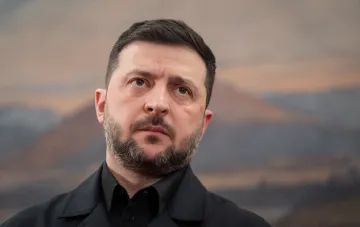
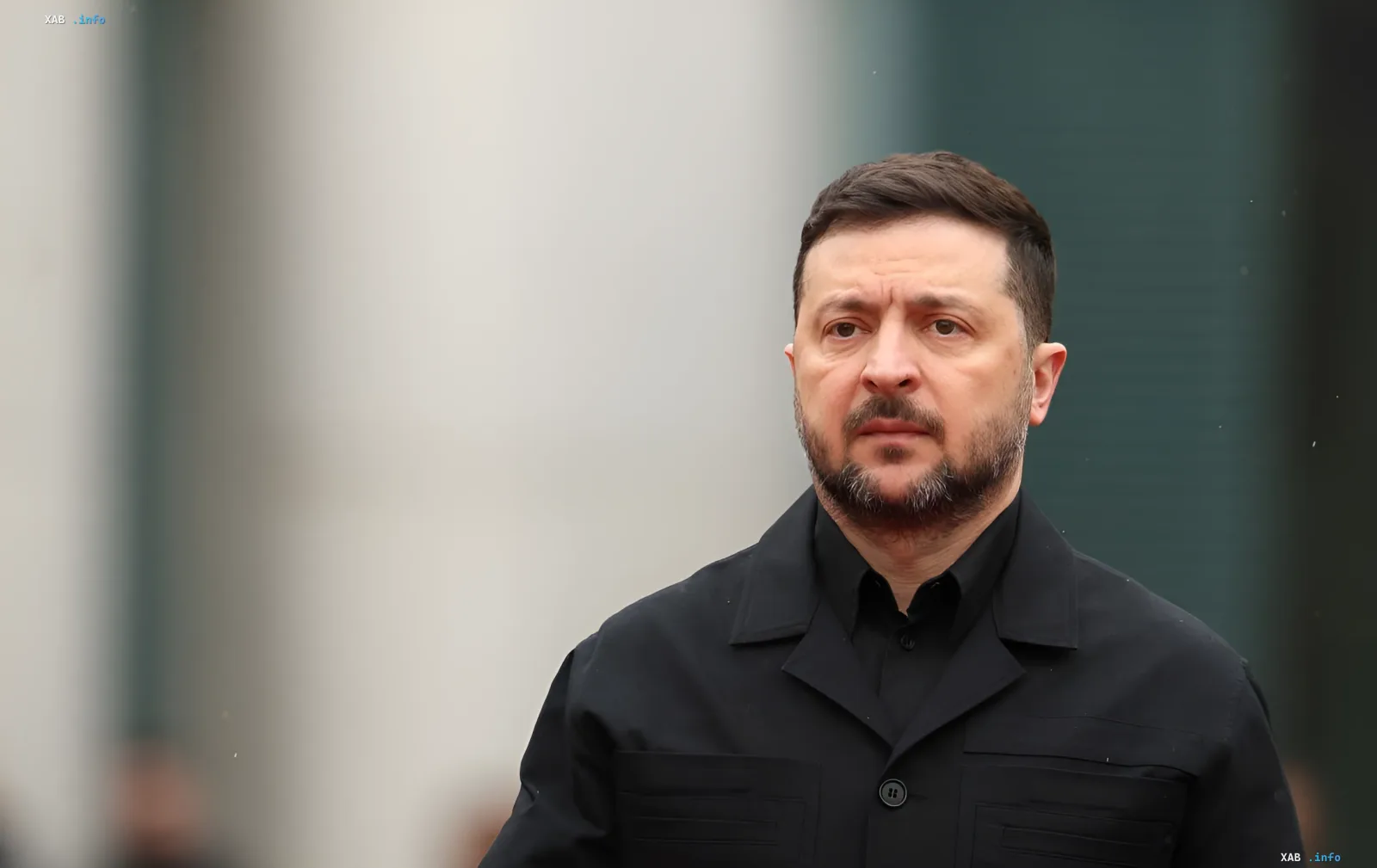
As reported by RBC-Ukraine citing a statement by Volodymyr Zelenskyy and the President's Commissioner for Sanctions Policy, Vladyslav Vlasyuk, a significant portion of Russian defense assets remains outside international pressure. The President of Ukraine emphasized that closing this gap is a priority task for August and September 2026. Zelenskyy promised to personally raise this issue in negotiations with partner country leaders at all working levels.
"We will talk to leaders at all working levels. The direct task for Ukrainian diplomacy is that in significant jurisdictions around the world, those companies and individuals from Russia who help Russia, whose influence is truly significant in terms of prolonging this war and producing Russian missiles and drones, must be sanctioned," the head of state declared. This marks a shift from general appeals to a specific list of targets that must be implemented in the shortest possible time.
New sanctions package against grain exports
Alongside diplomatic pressure on partners, Ukraine has independently expanded the sanctions field. The President signed a decree implementing a decision by the National Security and Defense Council (NSDC) against individuals and companies involved in the illegal export of Ukrainian grain from temporarily occupied territories. The sanctions list includes 13 sea vessels, 11 Russian citizens, and 28 legal entities.
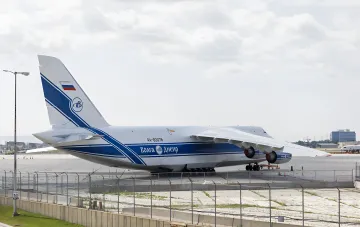
The vessels involved in this scheme sail under the flags of the Russian Federation (8 units), Panama (3), as well as Belize and Saint Kitts and Nevis. Restrictions have been imposed not only on vessel owners but also on captains and companies organizing logistics. Vladyslav Vlasyuk noted that Kyiv will provide partners with all necessary information to synchronize sanctions in international jurisdictions to prevent such grain from entering global markets.
Strategy to strike production chains
Ukraine is consistently expanding sanctions against those fueling the Russian war machine. At the end of July 2026, Kyiv already imposed restrictions on 23 Russian defense companies. According to Vlasyuk, every enterprise that loses access to components, technology, or financing will produce fewer ballistic missiles and drones. The goal is not just to freeze assets but to physically stop the assembly lines producing weapons.
In early July, it was reported that the EU was preparing a separate sanctions package against manufacturers of key components for "Shahed" drones. Now, the diplomats' task is to accelerate this process and ensure that by the end of September, the list of sanctioned individuals and structures is as comprehensive as possible, covering all links in the supply chain.