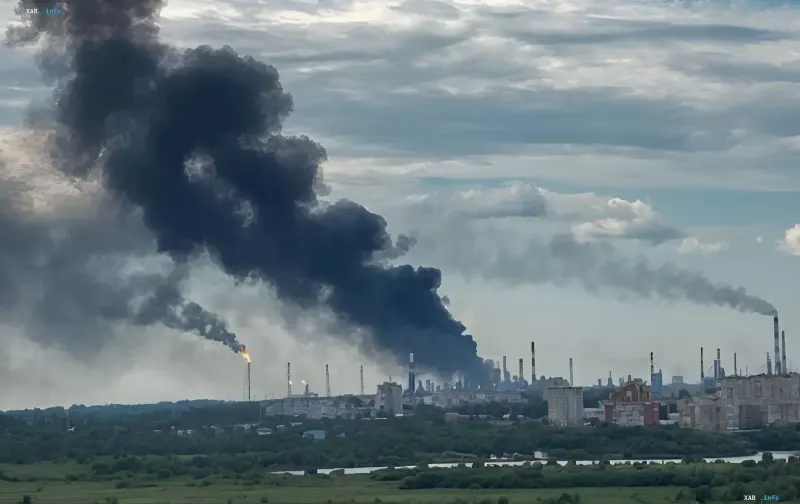
Large-scale attacks by Ukrainian drones on Russia's oil refining infrastructure have led to consequences that are already being felt in the global market. In the US, diesel fuel prices this week crossed the $5 per gallon mark for the first time. The rise in fuel costs in America is a direct consequence of the crisis in the Russian oil industry and changes in global logistics.
The domino effect: from Russian refineries to American gas stations
The cause of the sharp price surge was the redistribution of trade flows. Traditional buyers of Russian petroleum products, including Brazil and other developing countries, faced a shortage of supplies from Russia. In response, they began actively seeking alternative sources, turning to American suppliers. It is this additional external demand that is stimulating price growth for domestic consumers in the US.
Russian authorities, attempting to stabilize the situation, were forced to impose a ban on the export of their own fuel. This decision, compounded by general tensions in the Middle East due to the conflict with Iran, created ideal conditions for the rise in global energy prices.
Internal collapse: shortages and queues
The situation inside Russia looks even more critical. The export ban became a clear signal of large-scale internal turmoil. Despite attempts to adjust economic statistics, it is becoming increasingly difficult to hide the consequences of the strikes. According to the International Energy Agency (IEA), the situation for Russian oil refining is steadily deteriorating.
Natalia Kaneva, Head of Global Commodity Research at JPMorgan, notes that disruptions in refinery operations have led to restricted fuel sales and the appearance of queues at Russian gas stations. At some independent stations, prices have soared by approximately 50%.
Blow to the economy and threat to the harvest
This crisis is hitting not only the wallets of ordinary drivers but also key sectors of the country's economy:
- Logistics and transport infrastructure;
- Utility services and power supply;
- Public transport;
- Small business.
Analysts warn that the fuel shortage creates serious threats to the future harvest, as agriculture is critically dependent on the availability of fuel. Russian authorities are even considering the possibility of strictly limiting fuel sales to ensure it is available for transport distributing food products.
Import instead of export
In the face of the inability to meet domestic demand with its own resources, Russia plans to increase the volume of gasoline imports from India. This is a paradoxical solution for a country that has historically been a major exporter of energy resources.
Recently, the Russian leader admitted that attacks by Ukrainian drones had created "certain problems with petroleum products" for Russia, although he claimed that the situation was allegedly under control. However, the facts say otherwise: Russian refineries cover only about 65% of the country's seasonal demand for gasoline. This shortage is a direct consequence of the strikes that put several of the largest plants out of commission.