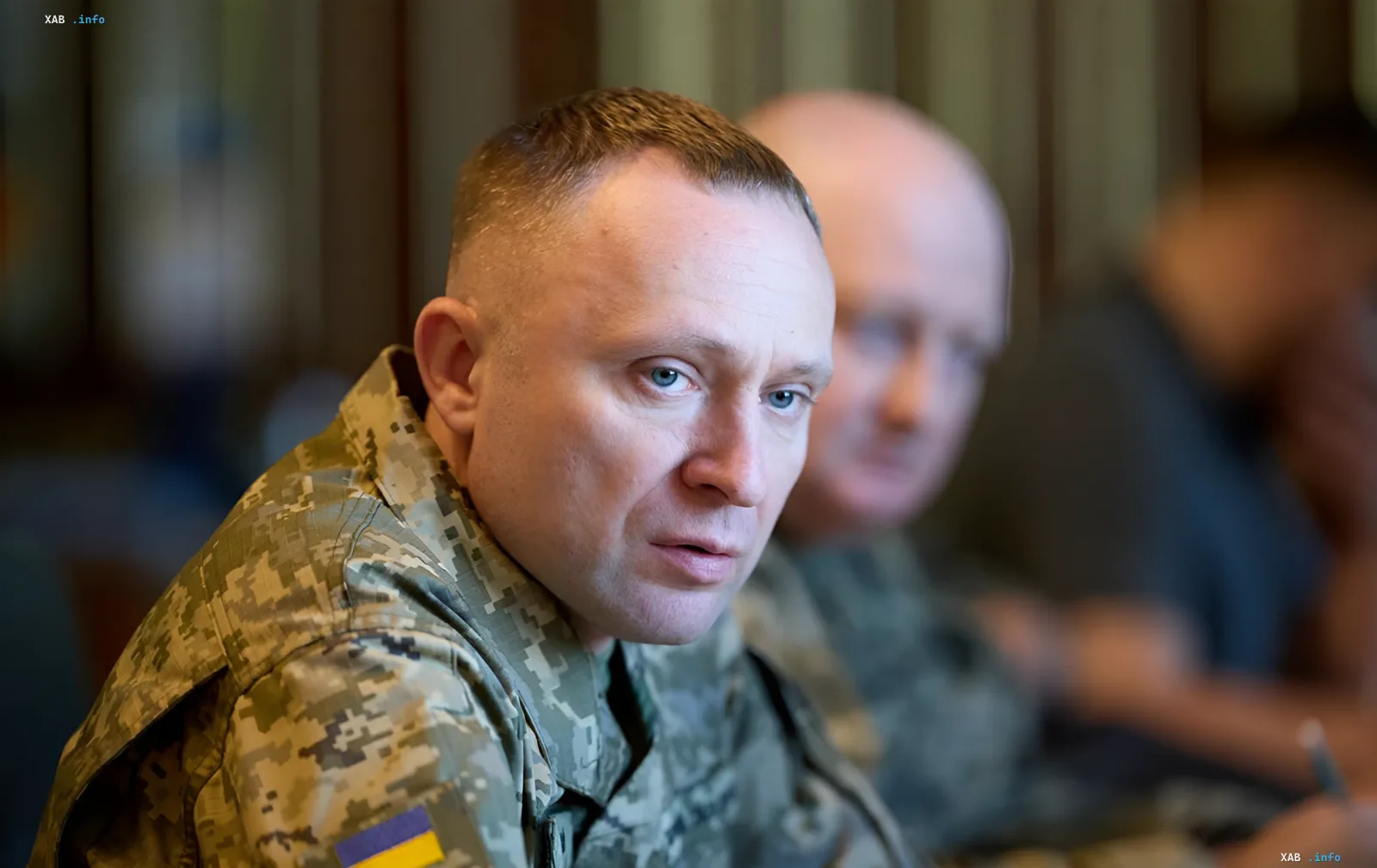
Supreme Commander of the Armed Forces of Ukraine Major General Mykhailo Drapatyi published on the official AFU website a document titled 'Leadership Principles of the Supreme Commander of the Armed Forces of Ukraine and the Development of the Troops in Wartime Conditions.' According to RBC-Ukraine, the text defines the command's strategic intent, formulates eight priorities for troop development, fourteen requirements for commanders at all levels, and eight expectations of the staffs. Specific tasks and performance indicators, by the author's design, will be set out in separate regulatory acts. The document became the first systematic manifesto of the new supreme commander, who took over command on July 22 in place of Oleksandr Syrskyi.
People as the Central Value
The central thesis of the document concerns not weapons, not structural reforms, and not operational tasks, but people. The text states outright that 'the most valuable thing in the AFU is our people,' and therefore every commander is obliged to protect them. From this principle follows a list of specific commander duties: to prepare a soldier for combat, to shield him from unjustified risk, to care for the wounded, to honor the memory of the fallen, and to support their families. Drapatyi emphasizes that caring for people is not a function separate from combat effectiveness, but its foundation. Commanders are instructed to clearly distinguish decisiveness from recklessness, so as not to substitute one for the other in combat conditions.
Requirements for Commanders and Staffs
For staffs at all levels, the document establishes a control question that must underlie every decision: 'Does this enhance our ability to fight and achieve success?' If the answer is negative, the process must be changed. The staff, according to the text, must 'be smaller where possible, faster where necessary, and become more useful every day.' Commanders and staffs are required to give honest assessments in which optimism, fear, or personal ambitions must not distort the real picture. It is separately noted that there is no place in the Armed Forces for corruption, abuse of power, harassment, or discrimination, and that every commander bears responsibility for the rational use of state resources.
Reform of the Service System and Veteran Support
For the first time at the level of the Supreme Commander's principles, the issues most frequently raised by servicemembers and their families are named outright: terms of service, the order of rotation, and the conditions of discharge. The document declares the intent to change the system of recruitment, training, service, rotation, retention, and discharge so that it takes into account the needs of both the troops and the servicemembers themselves. The text formulates the goal to 'ensure conditions under which military service is predictable, fair, and professional, and personnel decisions are based on the needs of the troops, professionalism, and service results.' Support for servicemembers, according to the document, does not end with the completion of military service: veterans must be provided with assistance, rehabilitation, recognition, and opportunities, in coordination with the Ministry of Defense, the Ministry for Veterans' Affairs, government bodies, and volunteer organizations.
Innovation and Adaptation Faster Than the Enemy
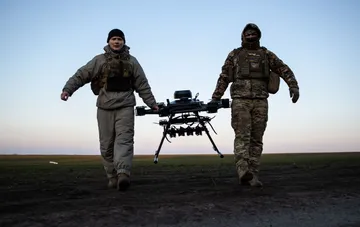
One of the key priorities of the document is adapting and implementing innovations faster than the enemy does, in order to carry out combat tasks with fewer losses. Drapatyi demands creating an environment in which 'good ideas can come from any servicemember, regardless of his rank or position,' and emphasizes the principle of joint combat operations. Thus, the document effectively enshrines a bottom-up feedback culture as an element of combat effectiveness.
Context of the Appointment
Recall, Mykhailo Drapatyi took over the AFU on July 22, replacing Oleksandr Syrskyi in the post. President Volodymyr Zelensky named the main tasks of the new supreme commander as rebuilding the defense system and developing an updated strategy. The published 'Leadership Principles' document can be regarded as the first systematic response to these tasks: it sets the value framework and management guidelines within which the command's further work will be organized.