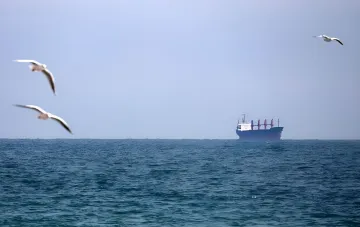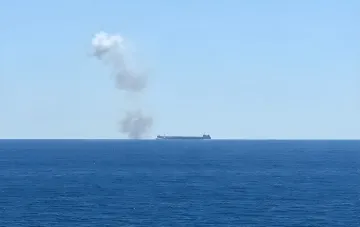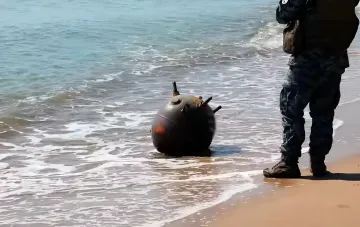
In the early hours of October 15, 2026, Romania's territorial waters in the Black Sea were targeted by an aerial drone attack, injuring two civilian vessels. The country's president, Nicușor Dan, officially confirmed the incident, stating that state airspace had been violated and subsequent fires had broken out on chemical tankers anchored near the Danube estuary.
Details of the Night Incident and Targeted Vessels
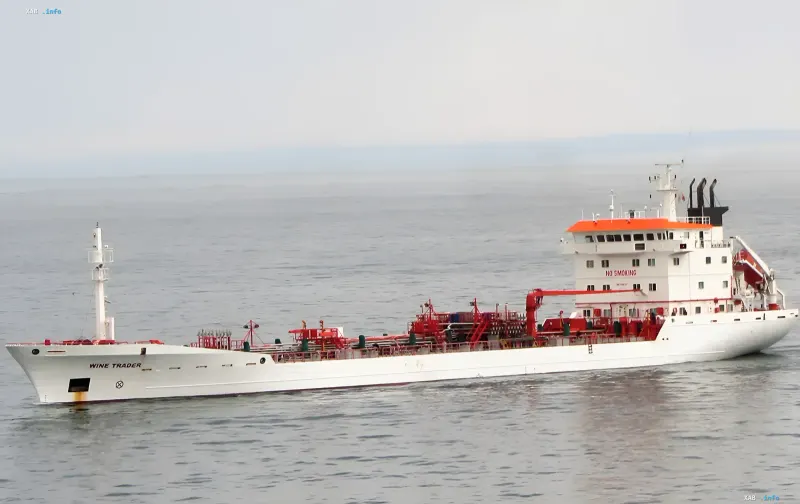
The first emergency report reached the Romanian maritime administration from the chemical tanker Wine Trader, sailing under the San Marino flag. The vessel was struck by a drone, sparking a fire on board that required emergency intervention from rescue services. Shortly after, a similar fate befell the second chemical tanker, Yara J, flying the flag of the Comoros, which was transporting oil and chemical substances.
Search and Rescue Operation and Crew Status
A large-scale search and rescue operation involving specialized Romanian agencies has been deployed in the disaster area. Currently, officials confirm the rescue of five crew members from the Wine Trader, while the fate of seven other sailors remains unknown. The search for the missing continues under difficult conditions in the Black Sea, with rescuers checking the waters near the vessels' anchorage sites.
Previous Security Incidents in the Region
This latest attack is the largest and most destructive in a recent series of airspace violations in Romania. Earlier, on September 29, wreckage from an unknown drone was discovered in the east of the country, while on the night of September 27, radars detected an unidentified aerial target near the Ukrainian border. Additionally, on August 16, NATO forces operating an Spanish F-18 fighter had already intercepted and destroyed a similar intruder drone.
Regional Consequences and Threat to Shipping
The nighttime attack on commercial tankers within Romanian territorial waters creates serious risks for shipping safety in the Black Sea region and near the Danube mouth. The incident may prompt a review of security measures for civilian vessels anchored in NATO member states and heighten diplomatic tensions. Experts anticipate emergency consultations within the North Atlantic Alliance to strengthen the air defense of the eastern flank.