On the night of August 15, 2026, the Ukrainian Defense Forces launched attacks on targets in the Samara region. Preliminary data indicates that the target was the 'Progress' Rocket and Space Center — a strategic enterprise responsible for assembling 'Soyuz' family carrier rockets. Around 04:00 local time, an air raid alarm was sounded in the region, after which local residents recorded a powerful explosion and fire.
Target of the Attack: The Heart of Russian Cosmonautics
The 'Progress' Rocket and Space Center is a key link in the production chain of 'Soyuz-2.1b' carrier rockets. These rockets are used to launch both civilian satellites and military spacecraft, including elements of the 'Rassvet' constellation — the Russian analog of the Starlink system. The enterprise is located on the territory of the 'Aviakor' aircraft factory and represents a single production complex stretching about a kilometer, where the full cycle of rocket assembly takes place.
Visual Evidence and Damage Assessment
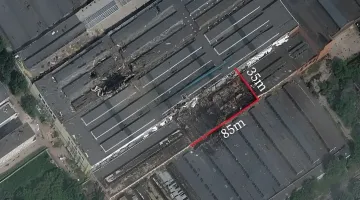
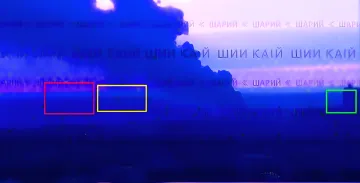
Based on one of the published photos, journalists attempted to identify the location of the possible impact. According to their assessment, it may correspond to the territory of the 'Progress' Rocket and Space Center. Preliminary estimates suggest the strike may have hit the western part of the complex, where the key production site is located and final rocket assembly stages take place. If this information is confirmed, the attack could have damaged not only production facilities but also equipment and rockets already in the middle or final stages of production.
Contradictory Data
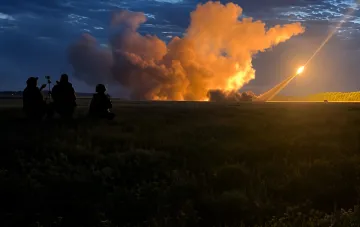
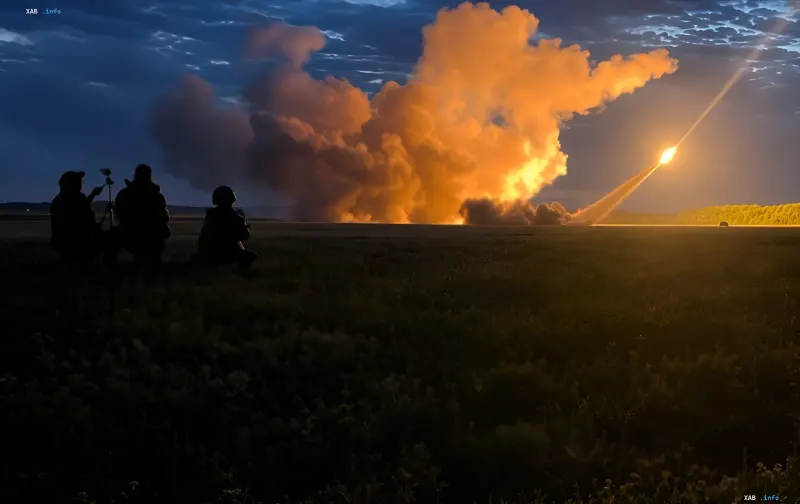
Currently, there are discrepancies in the details of the incident. On one hand, Ukrainian sources and experts from the Fire Point analytical center point to the use of 'Flamingo' type strike drones. Co-owner of Fire Point, Denys Shchillerman, published a video of a rocket launch, hinting at the use of this specific system. On the other hand, official Russian authorities and the plant's management have not yet detailed the scale of damage, limiting themselves to general reports of 'neutralizing the threat.' Independent satellite imagery allowing for an objective assessment of the attack results is currently unavailable.
Strategic Consequences for Russia
Since 2022, Russia has carried out approximately 6-8 'Soyuz-2.1b' launches per year. These rockets were used for various space programs and commercial missions; however, a significant portion of launches were tasks for the Russian Ministry of Defense. Therefore, serious damage to production could create problems for several Russian programs, particularly for launching military satellites and developing 'Rassvet.' Experts describe the plant's production lines as a 'bottleneck' for the entire Russian space program. In the event of confirmed damage to specialized assembly shops or test stands, the rocket production cycle could be significantly disrupted.
Current Verification Status
At the same time, it is too early to draw final conclusions. Satellite imagery is necessary to confirm the scale of damage. Currently, the situation remains under observation, and final data on the degree of infrastructure damage will only be available after a detailed analysis by independent observers and intelligence services.