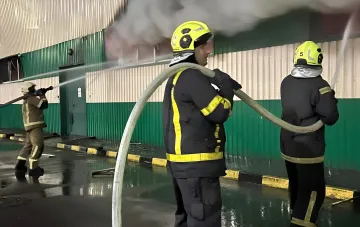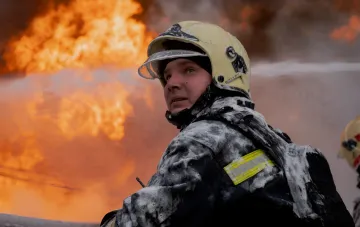
On the morning of September 11, 2026, according to RBC-Ukraine, citing the Exilenova+ Telegram channel and local online communities, Ukrainian unmanned aerial vehicles attacked the "Azot" branch of OJSC "OHC Uralchem" in Berezniki, Perm Krai. The strike hit one of Russia's largest chemical complexes, which, as Ukrainian media emphasize, is directly linked to military-industrial production. The attack became part of a broader overnight wave of drone strikes on several Russian regions.
What Was Attacked: "Azot" in Berezniki
According to RBC-Ukraine, the facility is located on a site of about 140 hectares and includes around 90 production buildings. This makes the complex one of the largest objects in the chemical industry in the European part of Russia. Specific details of the damage inflicted are not disclosed in available reports — open sources mention only the fact of the drone attack, confirmed by the Telegram channel and local communities.
The Military Significance of Uralchem
A key aspect highlighted by Ukrainian media is the dual-use nature of the complex's products. Concentrated nitric acid produced by Uralchem is used, among other things, in the manufacture of explosives. Ammonia and nitric acid also serve as basic raw materials for producing other types of nitrogen-based chemical products. It is precisely this link to the defense sector, according to the logic of Ukrainian publications, that explains the choice of this target for the drone strike.
A Widespread Overnight Drone Offensive on Russia
The attack on Berezniki was not isolated. Overnight on September 11, other regions were also hit by drones. According to RBC-Ukraine, strikes were recorded in Volgograd, Kaspiysk and Samara: in Volgograd, debris fell on the territory of an industrial enterprise, while in Kaspiysk, according to preliminary data, drones hit the port. That same night, drones attacked Saratov, where a refinery and an OZON marketplace warehouse caught fire after the strikes.
Contradictory Data
It is important to note that information about the strike on Uralchem's Berezniki branch is based on Ukrainian publications, the Exilenova+ Telegram channel, and reports in local online communities. There is no official confirmation from Russian authorities or from Uralchem itself in the provided materials, and the scale of possible damage has not been verified by independent sources. A similar caveat applies to part of the overnight strikes: the drone hit on the port of Kaspiysk is characterized as "preliminary." Thus, the fact of the attack is confirmed by a coordinated chain of Ukrainian and regional sources, but details of the damage and the official assessments of the parties either conflict or are absent for now.
Context and Consequences
The strike on one of the largest chemical enterprises linked to the production of dual-use goods continues the trend of expanding the geography of drone attacks deep into Russian territory. For Uralchem and the entire nitrogen-chemistry supply chain, such events create risks for both civilian and defense logistics, although the actual impact on production remains unclear at this time pending official data.