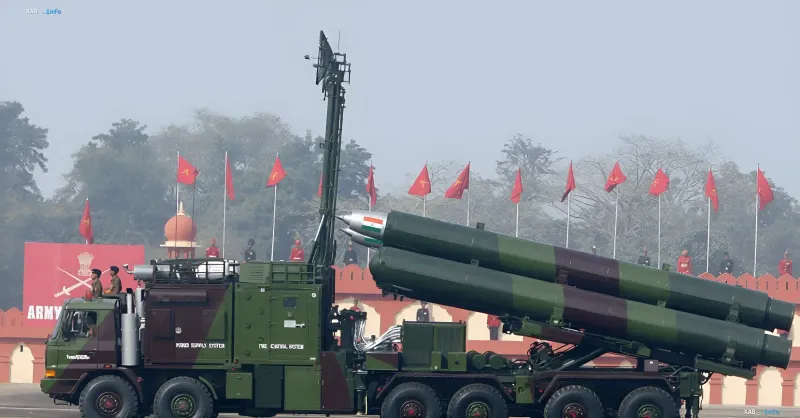
India's defense industry is demonstrating unprecedented growth in the global arms market, having recorded export contract values for BrahMos supersonic missile systems exceeding 600 million dollars. As of October 2026, the key drivers of this financial and strategic success have been large-scale agreements with international partners, including the Philippines and Indonesia. Experts note that New Delhi has successfully transitioned from supplying basic small arms and spare parts to exporting high-tech strategic strike weapon systems.
Background and Key Export Contracts
The foundation for reaching the 600 million dollar milestone consists of specific intergovernmental deals. The largest contract was an agreement with the Philippines worth approximately 300 million dollars, followed by a deal with Indonesia valued at around 200 million dollars. Additional agreements with other partners generated another 100 million dollars or so. Furthermore, Indian Defense Minister Rajesh Kumar Singh emphasized that the stable serial production of Akash air defense missile systems has also attracted foreign buyers from Armenia, Tajikistan, and Turkmenistan, strengthening the country's position as a reliable global air defense supplier.
Contradictory Data
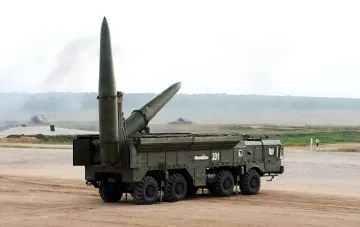
Despite official statements from India's defense leadership regarding successful export expansion, certain discussions persist in expert circles and independent specialized media concerning the technological origin and modifications of the supplied weapons. In particular, Western and regional observers point out that BrahMos missiles are based on Russian technologies (specifically, the Oniks anti-ship missiles), which imposes certain restrictions on export policy and requires coordination with all joint venture participants. Nevertheless, the successful integration of the air-launched missile version with the Indian Su-30MKI fighter jet confirms a high level of domestic enhancements and system adaptation to modern military requirements.