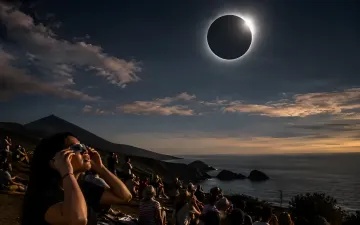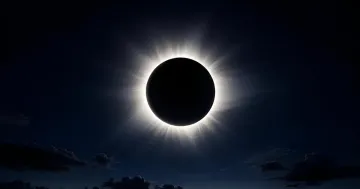
A unique tourism race is unfolding in New Zealand. Hotels in the city of Dunedin are already fully booked for July 2028, although the event is still two years away. The reason for the frenzy is a rare astronomical phenomenon — the first total solar eclipse in this region in more than 850 years.
Historical Rarity and Precise Calculations
According to data cited in an RBK-Ukraine report referencing The Guardian, the last time residents of these areas witnessed such a spectacle was in 1163. At that time, Europeans had not yet reached the shores of New Zealand, and local tribes led a different way of life.
The next event is scheduled for July 22, 2028. At 16:17 local time, the Moon will completely cover the Sun, casting a shadow band about 100 km wide across the southern part of the country. In the visibility zone, total daylight darkness will occur, lasting 2 minutes and 51 seconds.
Economic Impact and Infrastructure Preparation
Demand for accommodation has been so high that the Dunedin Leisure Lodge has already sold out its special "solar eclipse package." The room rate includes free protective glasses for safe sky observation.
The city, with a population of 130,000, is preparing to welcome about 35,000 guests. This event goes beyond local interest: for all of New Zealand, this will be the first total solar eclipse since 1965.
Astronomer's Personal Story and Cultural Context
Tuhura Otago Museum Director and astronomer Ian Griffin emphasizes the uniqueness of the moment. According to him, current residents will become the first people in Dunedin's history to see an eclipse in this part of the world.
The astronomer's personal dedication to the event is striking: Griffin has been tracking the eclipse since 2013 and admitted that he chose his home specifically because it offers an ideal view of the celestial scene.
On Wednesday, the Dunedin Museum officially launched a two-year countdown to the date. The eclipse will occur in the height of the New Zealand winter, immediately after Matariki — the New Year according to the Māori calendar. This name refers to the Pleiades constellation, which disappears from the sky for a month in winter and reappears around the winter solstice.
In honor of the event, the city plans to hold a Night Sky Festival, which will begin with the Matariki celebration and last until the eclipse itself. Griffin notes that the combination of a cultural festival and a fantastic astronomical phenomenon makes this event unique on a global scale.