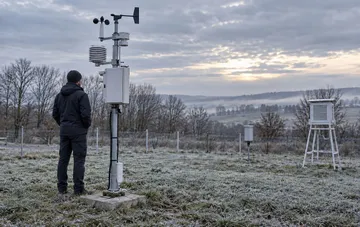
In the central equatorial Pacific — the region where meteorological services monitor the development of the El Niño phenomenon — water surface temperatures have remained at record highs for 150 consecutive days. According to data cited by The Washington Post, the average temperature in this zone reached 30.2 °C, with individual points rising to 31.6 °C. For comparison, the previous historical maximum recorded in 2015 was 29.8 °C. Thus, the current anomaly has surpassed the 2015 record by more than a degree and a half, making it the strongest thermal deviation in the observational history of this region.
South America Under Attack: Rainfall One Hundred Times Above Normal
The most tangible consequences of the anomalous ocean warming are being recorded in western South America. The head of a meteorological consulting firm in Peru, Abraham Levy, stated that Peru and Ecuador are preparing for one of the strongest manifestations of El Niño in modern history. In the Ecuadorian city of Guayaquil, about 50.8 centimeters of precipitation fell in October, compared to the regional climatic average of 0.5 centimeters — nearly a hundred times more than usual. Last week, heavy downpours caused floods in Ecuador's capital, Quito, while in Santiago, the capital of Chile, torrential rains triggered destructive mudslides and landslides.
Peru: Water 9.4 Degrees Warmer Than Normal
Off the coast of Peru, ocean water temperatures exceed the multi-year normal by 9.4 degrees. Experts warn that with the onset of the rainy season in the country, the situation could become significantly more complicated: the combination of abnormally warm water and increased atmospheric precipitation creates conditions for recurring floods, coastal erosion, and disruptions to fisheries, which traditionally depend on the temperature regime of Peruvian waters.
US Winter: Storms, Floods, and Anomalous Precipitation
Meteorologists expect the impact of El Niño to extend to winter weather in the United States. According to forecasts, storm activity could intensify along the country's western and eastern coasts. Floods cannot be ruled out in California, while Florida is expected to see significantly more precipitation than usual. These factors could put additional pressure on infrastructure and emergency management systems in the most vulnerable states.
What is El Niño and Why It Matters
El Niño is a climatic phenomenon associated with the periodic rise in water surface temperatures in the central and eastern parts of the equatorial Pacific zone. It affects ocean-atmosphere interaction processes, which can lead to abnormal precipitation, droughts, and temperature deviations in various parts of the world. The current phase, based on the totality of indicators, goes beyond the typical cycle and requires meteorological services and civil protection agencies to revise their disaster response scenarios.