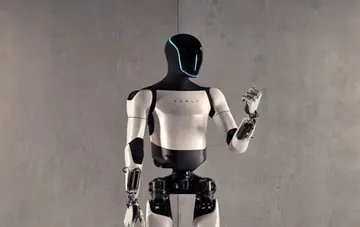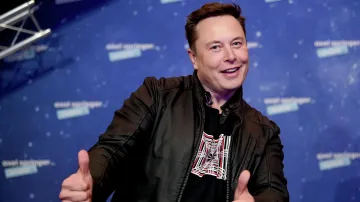
At the Tomorrow X summit in Austin, Tesla CEO Elon Musk spoke about the company's near-term plans regarding the humanoid robot Optimus. The central element of his statement was the preparation of a demonstration video designed to show the machine's ability to perform tasks without prior programming. According to Musk, such a video is already in the works, and its publication, as he previously specified at the Q3 2026 earnings conference, is expected within one to two months.
Demonstrating Intelligence, Not Choreography
Musk emphasized that Tesla wants to showcase the actual intelligence capabilities of Optimus rather than a set of pre-arranged movements. In his assessment, many spectacular public performances by humanoid robots are built on fixed scripts and pre-written programs. The company, by contrast, aims to teach the robot to make independent decisions and adapt its actions to environmental changes, which, according to the developers, will be reflected in the upcoming video.
From Stage to Factory Floor: Production in Fremont
Alongside the demo announcement, the company is also advancing its manufacturing track. According to industry publications, Tesla has begun serial assembly of Optimus at the modernized Fremont plant in California, which previously produced Model S and Model X electric vehicles. This is the first time Musk's company is moving a humanoid robot to a mass-market assembly line. At the same time, as Musk himself noted during the quarterly results presentation, initial production rates will be slow, and the humanoid robot segment remains an entirely new product category for Tesla, requiring an expansion of engineering expertise.
Ore Mining and Processing as a Priority
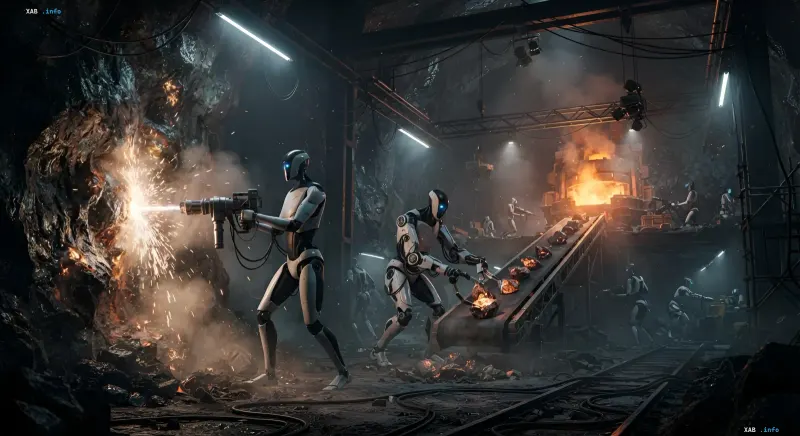
Among the potential application areas for Optimus, Musk highlights mining and ore processing. Such work requires significant physical effort and is often associated with risks to personnel, so automating it, according to the company's logic, will reduce human involvement in hazardous production processes. It is in such environments, where adaptability to a changing environment is crucial, that the demonstration of the robot's independent decisions looks most convincing.
Ambitious Figures and Capacity Reality
Musk previously outlined large-scale targets: up to 1 million robots per year for the third-generation Optimus and up to 10 million units for the fourth. Importantly, these are currently long-term goals rather than confirmed production capacities, and the transition to full-scale production will require further engineering refinements and process optimization. Thus, the announcement of the "intelligent" demo and the launch of the assembly line in Fremont become the combination through which Tesla intends to move Optimus from the category of spectacular prototypes to the category of an industrial product.