On the morning of October 14, 2026, Russian troops launched a massive ballistic missile strike on critical energy infrastructure facilities in Kyiv and the region. As a result of the enemy attack, key distribution nodes suffered serious damage, leading to emergency overloads in the capital's power grid. City authorities and energy companies were forced to urgently introduce strict restrictions to stabilize the system.
Scale of outages and affected districts
According to specialized departments, emergency power outages have been introduced in five administrative units of the capital. This list includes Darnytskyi, Dniprovskyi, Pecherskyi, and Solomianskyi districts, as well as a part of Holosiyivskyi district. Due to the emergency nature of the situation, standard stabilization outage schedules in these zones are temporarily inactive, and power supply cuts occur without prior notice to citizens.
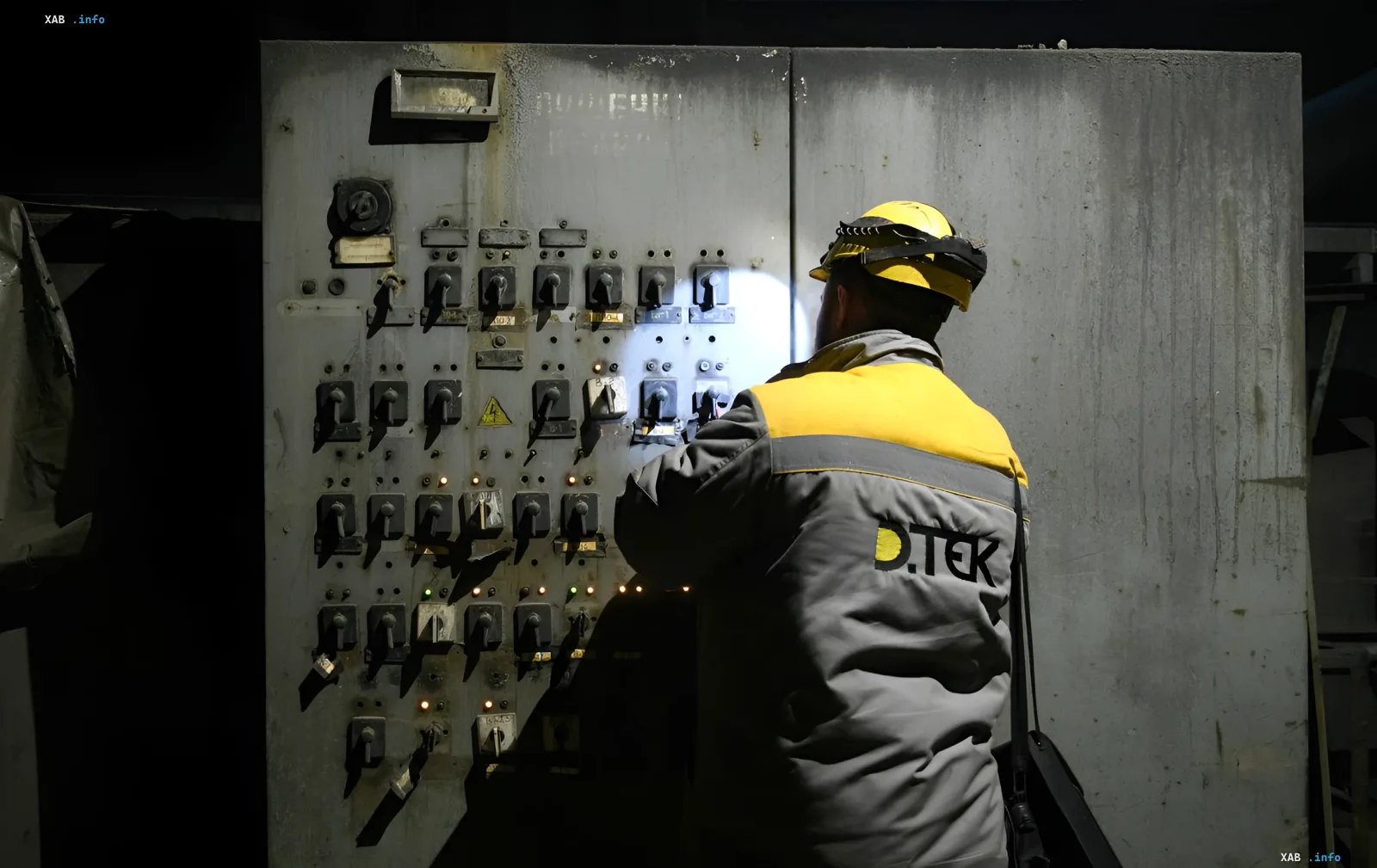
Power engineers are working in an enhanced mode to eliminate the consequences of the strikes and try to redirect power flows. However, the situation remains extremely tense, as the damage affected several strategic generation facilities, including the capital's TEC-4, which was hit by evening ballistic missile strikes.
Contradictory data
The events unfold against the backdrop of diplomatic initiatives: on October 11, US President Donald Trump announced a so-called energy truce, which Kyiv learned about post-facto. Ukrainian President Volodymyr Zelenskyy stated his readiness to observe the silence regime, but the Kremlin emphasized the absence of official agreements. Despite this, the Ukrainian side refrained from retaliatory strikes on Russian oil refineries. However, already on October 12, Russia attacked six energy facilities in Ukraine, and on October 13, Trump publicly refused to recognize the fact of truce violations by Moscow, after which a new strike hit Kyiv.
Consequences for urban infrastructure
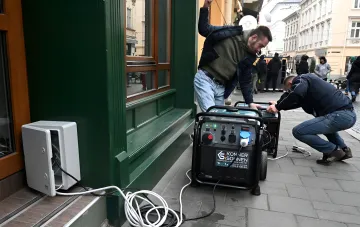
The sudden cessation of power supply led to disruptions in public transport operations, including the shutdown of electric transport in some parts of the city, as well as temporary water supply interruptions. Specialists urge capital residents to minimize the load on the surviving network, use household appliances economically, and charge necessary gadgets in advance.