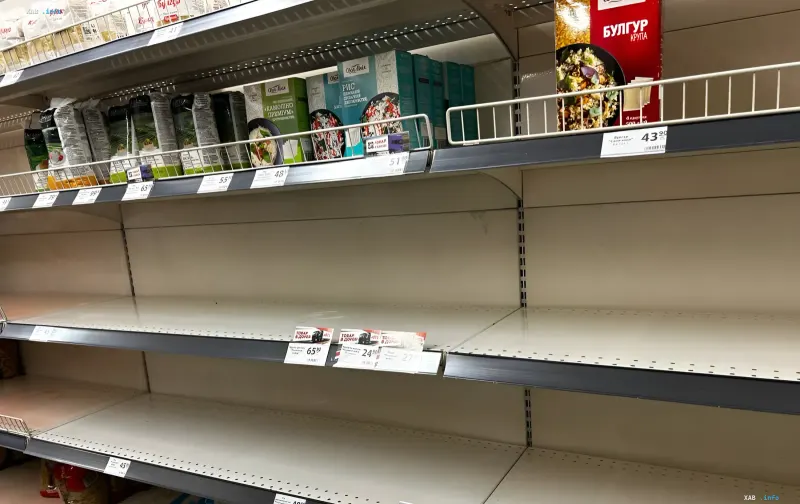
Instances of temporary absence of certain product lines on the shelves have been recorded in the retail chains of Dnipropetrovsk Oblast. Photos from the region's supermarkets show a characteristic picture: the top rows of the shelves are still stocked with boxes of grains — rice, bulgur, kamys — with price tags ranging from 24 to 98 hryvnias, while the middle and lower tiers are practically empty. Such footage, circulating on social media, is causing anxiety and questions among consumers about the actual state of the region's food market.
Official position: there is no shortage, but there is panic
The head of the Dnipropetrovsk Oblast Military Administration, Oleksandr Hanzha, categorically denied the existence of a systemic shortage in a Facebook post. "There are no problems with food products. And no problems with other products either," the official stated, emphasizing that the region has sufficient stock of goods and the situation remains under control. At the same time, he acknowledged that in certain categories — primarily salt and grains — there is elevated, in his words, "artificial panic": consumers are buying these goods in bulk, "taking everything off the shelves," which means stores do not always manage to restock the assortment in a timely manner.
Logistics under pressure: how security is changing supply chains
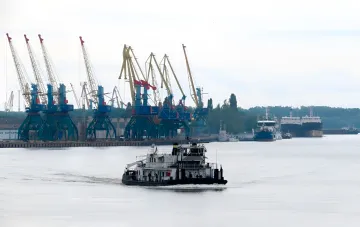
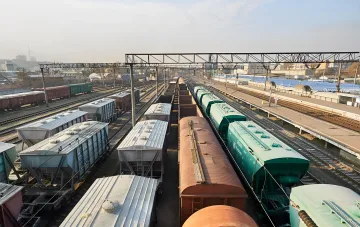
The key factor behind the temporary delays, according to Hanzha, was the change in the logistics schemes of retail chains, driven by security threats. "Suppliers are constantly delivering... Somewhere they deliver products directly. But taking into account, so to speak, dangerous logistics routes, either the delivery itself changes, or other measures are taken," the head of the OVA explained. In some cases, products are delivered directly from manufacturers, bypassing intermediate warehouse links. It is precisely the restructuring of routes and delivery schedules, he said, that explains the possible short pauses in stocking the shelves, rather than an objective lack of goods on the market.
Context: strikes on infrastructure and recommendations for residents
Hanzha's statements came against the backdrop of ongoing Russian drone attacks on facilities in Dnipropetrovsk Oblast, including a recent strike on a shopping and entertainment center. Under these conditions, the President's advisor on the development of technological defense directions had previously explained that a real food shortage due to drone attacks is not a threat to Ukraine, however, temporary disruptions in supply chains in frontline and border regions remain likely. At the same time, Ukrainian citizens are recommended to keep a stock of food and drinking water at home for 7–12 days, which, according to experts, is a reasonable measure of personal safety, not a reaction to real hunger.
Contradictory data
On the one hand, the official position of the OVA insists on the absence of any problems with food and fuel in the region, and explains the empty shelves solely by "artificial panic" and logistics adjustments. On the other hand, visual evidence from stores — photos of practically empty shelves, as in the image shown — shapes a different perception among residents: if the goods are in the warehouse but not on the shelf, for the buyer this is functionally the same as a shortage. Thus, the discrepancy between the macro level ("there are enough reserves") and the micro level of a specific store ("the shelf is empty") remains unaddressed in the public domain, and it is precisely this gap that generates additional anxiety among the population.