Back to Basics: Denmark Introduces Oral Defenses to Combat AI Plagiarism
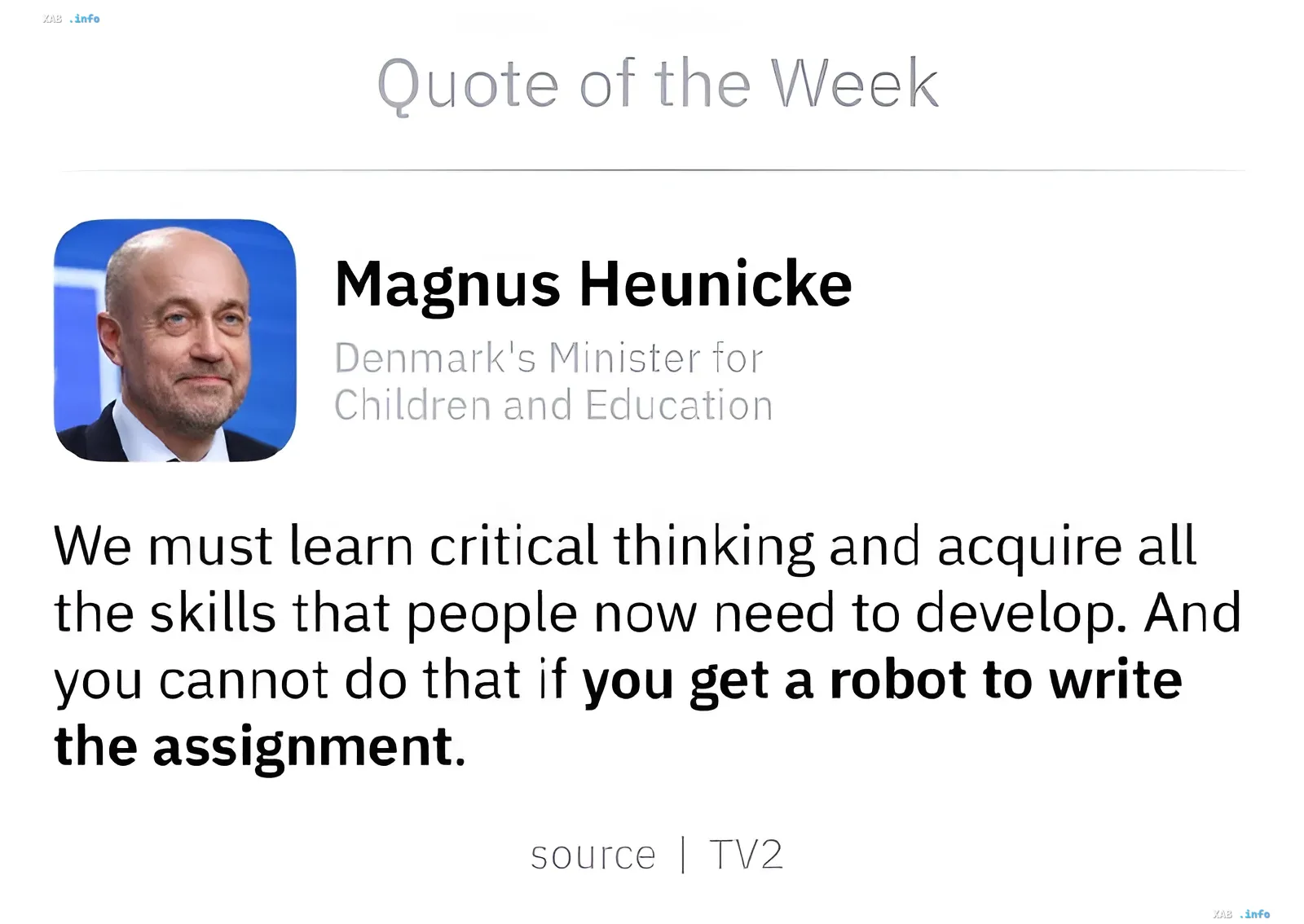
Starting this academic year, unprecedented measures are coming into force in Danish high schools, aimed at halting the erosion of academic integrity amidst the boom in generative neural networks. The Danish Ministry of Education has announced the return of mandatory oral defenses for key written assignments (SSO — større skriftlige opgave). Now, it is no longer enough for students to simply submit a perfectly written text created at home; they must personally, in front of a censor and a teacher, explain every reasoned decision and data source. The Minister for Children and Education, Magnus Heunicke, called these measures an "emergency package," approved on August 6, 2026, just a few days before the start of the new school year.
The "Three Pillars" Strategy: How Denmark is Closing Loopholes for Neural Networks
The introduction of oral exams is just the tip of the iceberg of the new educational policy. The country's government has developed a comprehensive plan including three strict initiatives aimed at the total exclusion of AI from the learning process. First, there is total screen monitoring: schools are required to implement proctoring software and configure network firewalls that block access to chatbots during exams. Second, there is a return to "classic" essays: most written assignments must now be completed directly in the classroom under the supervision of teachers. Third, the oral defense becomes the final filter: if a student does not understand the essence of a text written by AI, this will be revealed instantly during a detailed interrogation about methodology and sources.
The First Victims of the Reform: Who Will Be Affected Immediately
The new rule comes into force immediately, and the first to be hit are about 9,000 students of graduating classes of two-year higher preparatory education programs (HF). For them, the format of submitting work changes radically: the grade is now based not only on the quality of the text but also on the student's ability to publicly defend their position. The Ministry emphasizes that the goal of the reform is not just to punish for cheating, but to preserve students' competencies, their mastery of the subject, and, most importantly, the ability to think independently without relying on algorithms.
European Context: Denmark at the Forefront of the Fight Against the "Cheating Crisis"
Denmark is not alone in its radical steps. Throughout this summer season, Europe has been fighting the consequences of introducing generative AI into schools. Neighboring Norway has already introduced an almost total ban on the use of such technologies for younger students (up to 13 years old) and strictly limited their application for teenagers. However, Denmark is trying to find a balance between prohibition and education: as part of a separate experiment, the ministry has allowed the use of AI at the preparation stage for oral tests in English. This is done to teach schoolchildren to work with technology as a tool, rather than simply copying ready-made answers.