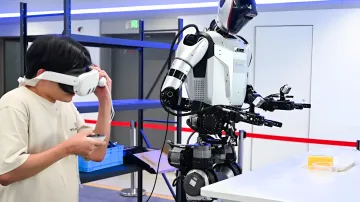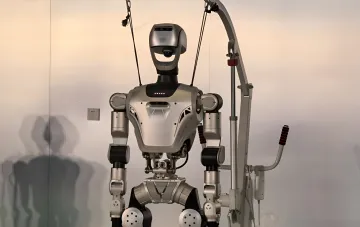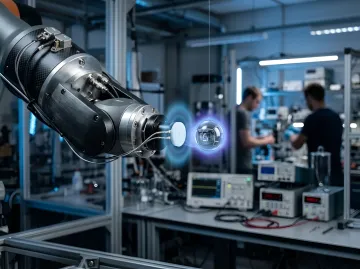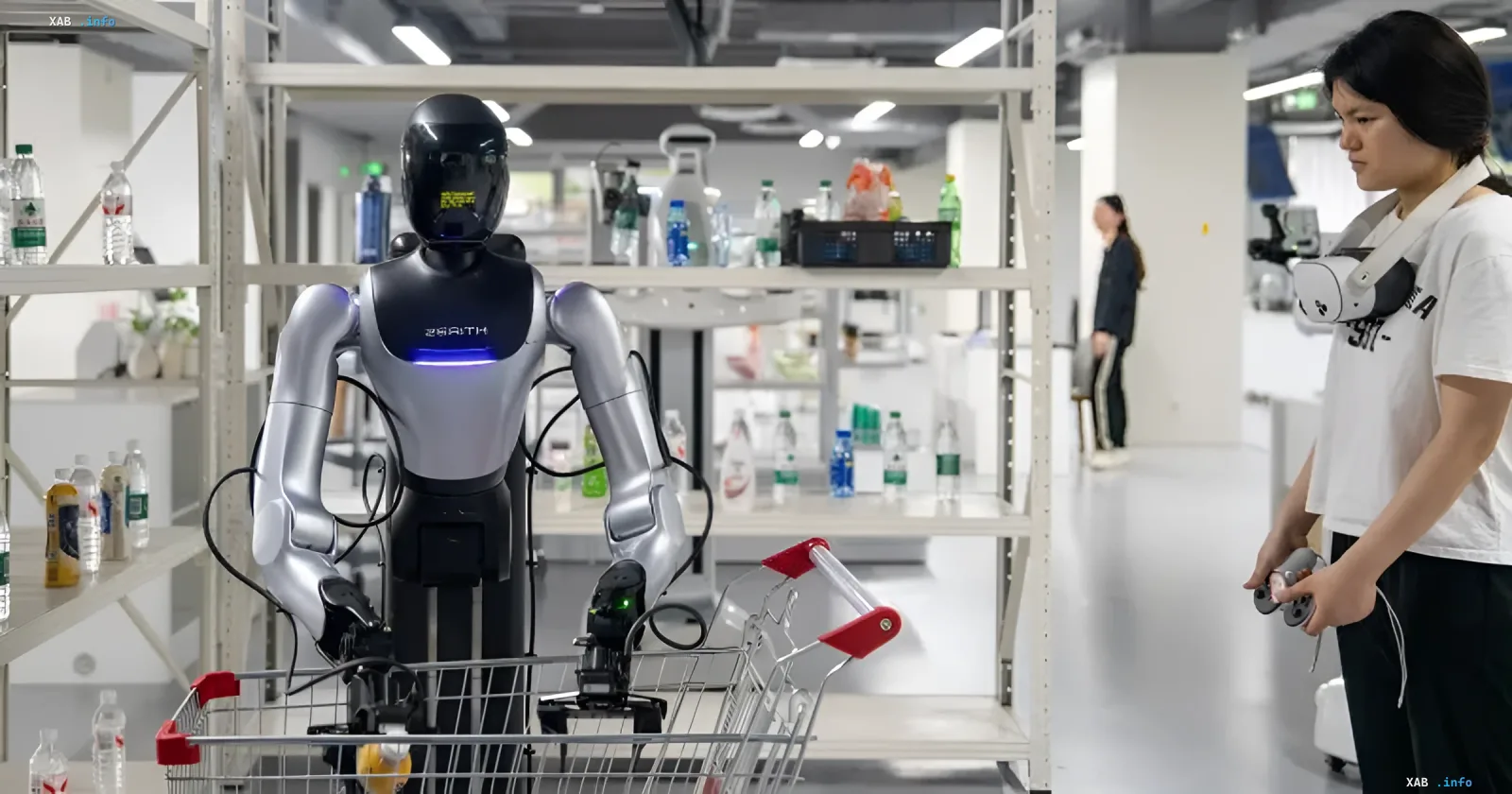
In China, in the city of Hangzhou, a historic moment for the development of artificial intelligence and robotics has occurred: the country's first specialized "school" for robots has opened. This is not a metaphor, but a real training center where machines undergo training, take exams, and receive certificates before entering the labor market. The initiative, launched in June 2026, aims to solve one of the main problems of modern robotics — the ability of machines to adapt to unpredictable conditions of the real world.
From Laboratory to "Classroom": How the School is Organized
The Hangzhou School of Robotics, located in the Yuhang district, opened its doors on June 29. The project was implemented with the support of the Zhejiang University Institute of Robotics and local authorities. Unlike traditional laboratories where testing takes place in sterile conditions, the school simulates real-life scenarios. The first batch of "students" consists of 30 robots of various types: from industrial manipulators to service androids.
The training process is strictly regulated. First, robots undergo an initial assessment of their hardware and software capabilities. Then they are distributed across four main faculties: engineering, healthcare, arts, and sports. Within the programs, they practice mobility skills, human interaction, safety, and environmental awareness.
Exams and Diplomas: The Path to Certification
The uniqueness of the approach lies in the assessment system. After completing courses, robots must pass exams in a realistic environment. In photos published by Al Jazeera, machines can be seen training in table tennis, playing basketball, performing music, or learning to serve drinks. Those who successfully demonstrate skills receive professional certificates.
Only certified robots are allowed to work in factories, museums, residential complexes, and the service sector. This creates a new quality standard, guaranteeing that the machine is not just programmed to repeat actions, but is also capable of handling tasks in a dynamic environment.
WJ-Brain Technology: Creating the Robot's "Brain"
The key element of the school's success is the WJ-Brain system, developed by scientists at Zhejiang University. This technology integrates logical thinking into visual and linguistic models (VLA). Simply put, WJ-Brain helps the robot connect what it sees (visuals), the commands it hears (linguistics), and the actions it must perform.
Previously, robots often acted according to rigid scenarios. The new system allows them to plan, make decisions in new situations, and choose optimal actions without requiring reprogramming for every new object or obstacle.
Contradictory Data
There are discrepancies in sources regarding the status of this initiative. On the one hand, Hangzhou authorities and the Al Jazeera agency position this center as the "first robotics school in China," opened in June 2026. On the other hand, Reuters and Euronews report the existence of a similar center in the city of Wuhan, which began operations as early as March 2026 and is also positioned as a "robotics school".
In Wuhan, according to sources, instructors are already using VR equipment to train robots in complex manipulations, such as making coffee or arranging goods. This creates a discrepancy in dates and geography: if the center in Wuhan started earlier, why is the Hangzhou center called the "first"? Perhaps it refers to different project scales or specializations, however, official clarifications on this issue are absent.
Data Problem and the Future of Robotics
Despite the technological breakthrough, experts note fundamental difficulties. As reported by Reuters, the main problem remains creating a "brain" capable of understanding an unfamiliar environment. To train a robot, seemingly simple skills, such as pouring coffee, a human instructor may need to repeat the same action thousands of times for the system to register the pressure force, movement trajectory, and position of objects.
The Hangzhou school aims to solve this problem by creating a database for machine learning. It is expected that this experience will allow China to accelerate the implementation of robots in the economy, making them cheaper and more versatile than counterparts from other countries.