Blockade of a Key Link in the Energy System
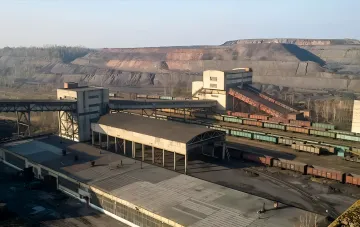
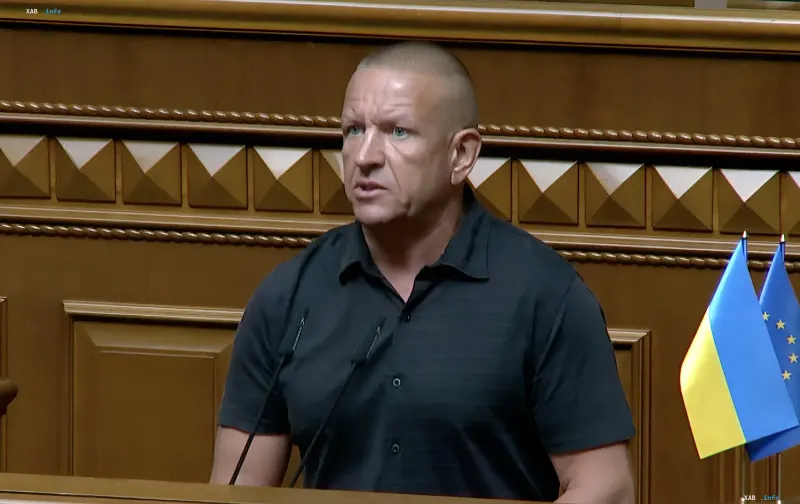
The situation surrounding the Chervonohrad Beneficiation Plant (BPP) has reached a critical point, creating a real threat to the upcoming 2026–2027 heating season. As People's Deputy Mykhailo Bondar stated from the podium of the Verkhovna Rada, the enterprise has been effectively shut down for eight months. This is due to a protracted eight-year rehabilitation procedure, during which arbitrators have constantly changed, while lobbying groups defend the interests of their own candidates.
According to the deputy, the court in Lviv must make a fundamental decision in the near future: appoint a rehabilitation manager who will represent state interests rather than private lobbying groups. Without this step, unblocking the plant's operations is impossible, which directly jeopardizes the energy security of the region.
Critical Role of Coal from the Lviv-Volyn Basin
The Chervonohrad BPP is the only major enterprise capable of processing coal from the Lviv-Volyn basin, which is currently located in controlled territory. This coal cannot be used immediately at thermal power plants—it must first be beneficiated. As Bondar emphasized, this plant serves as the key link between state-owned mines and thermal power stations.
Against the backdrop of expectations for a difficult winter, Ukraine must maximize the use of internal resources—coal and gas—to balance the energy system. Further downtime of the BPP narrows the possibilities for thermal generation and increases the risk of fuel shortages during peak periods.
Contradictory Data
There are discrepancies in assessing the influence of certain individuals on the situation surrounding the plant. On one hand, People's Deputy Mykhailo Bondar calls on the court to appoint an independent manager from the state, unconnected with lobbying groups. On the other hand, public activist and lawyer Oleksandr Klimov claims that appointing a new manager could mean losing influence over the plant for people he associates with Andriy Vengryn. According to Klimov, Vengryn is referred to in various political and media circles as the "watchman" of the coal industry.
Thus, one side sees the solution in state control, while the other sees it in the possible removal of the influence of certain players, indicating the deep politicization of the issue.
Criticism of Judicial Inaction
The People's Deputy criticized the situation where representatives of state power—from the Ministry of Energy to the Office of the President—declare the need to prepare for a difficult winter, but these signals are not reflected in the judicial process. "The judges hear nothing," Bondar noted, pointing to the gap between the rhetoric of the authorities and real actions.
The deputy urged the court not to postpone the hearing and to make a decision on appointing an arbitration manager who will defend state interests and unblock the enterprise's operations. In his opinion, this will be a step towards restoring the country's energy resilience.
Risks to the Energy System and Social Tension
Problems surrounding the Chervonohrad BPP are exacerbated by wage arrears to workers and the actual halt of production processes. This creates not only energy but also social risks. Trade unions previously stated that corruption schemes around the plant could derail the heating season, leading to increased social tension in the region.
The situation requires immediate intervention by the state and the judicial system to avoid catastrophic consequences for energy supply and the social well-being of citizens.