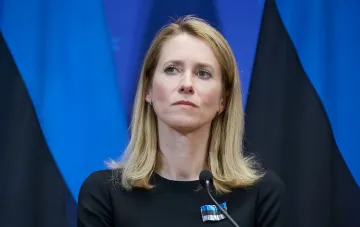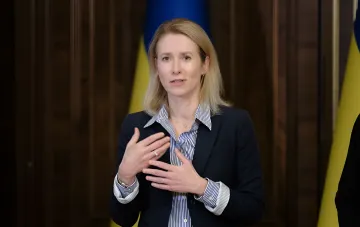
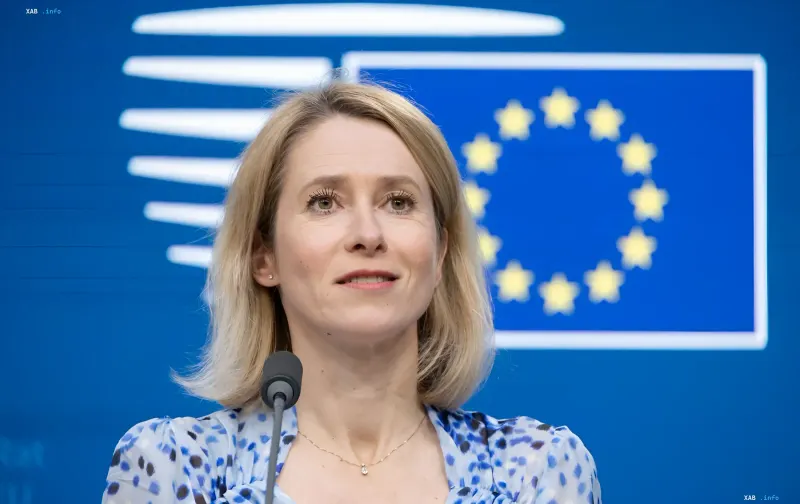
August 7, 2026 The European Union officially approved new sanctions lists against the Russian Federation. The decision was Brussels' reaction to the escalation of terror against Ukraine. This was stated by the head of European diplomacy, Kaja Kallas, in her microblog, whose statement signaled an intensification of pressure on Moscow.
Five new figures on the sanctions lists
Kaja Kallas confirmed that five new individuals were included in the updated sanctions package. According to the EU High Representative for Foreign Affairs and Security Policy, all of them are directly linked to the Russian military-industrial complex (MIC). Inclusion of these citizens in the lists means the freezing of their assets in the EU and a ban on entry into European Union countries. Kallas emphasized that every new Russian strike on Ukrainian infrastructure is a direct reason to expand the list of restrictive measures.
Political context and Kallas' quote
In her statement, Kallas sharply criticized the Kremlin's actions. She noted that the tightening of Russian military tactics and the rise in terrorist acts against Ukraine occur solely because Vladimir Putin is unable to achieve significant military success on the battlefield. "The EU must continue to increase pressure on Russia until Moscow stops the war," summarized the head of EU diplomacy, calling on allies to unite in their actions against the aggressor.
Sanctions package chronology: from July to August
Current events are a logical continuation of the work of the EU Council, which began back in mid-summer. Recall that on July 23, the EU Council finally adopted a new massive sanctions package against Russia, which was called the most powerful in the last four years. It was within the framework of implementing this package that today's personal measures, on August 7, were approved. Earlier, during the preparation of the package, Ursula von der Leyen revealed details of new economic restrictions that were supposed to become a "trump card" in the fight against the Russian economy.
Contradictory data
Despite the official approval of sanctions, disagreements persist within the expert community and among member states of the bloc regarding the pace and effectiveness of these measures. Previously, RBK-Ukraine reported that the adoption of previous restrictions was delayed due to the position of several countries that advocated for a more balanced approach, fearing a backlash on their own economy. While Kaja Kallas insists on an immediate and harsh response to every strike, some diplomats within the EU continue to discuss the need for a broader consensus, which sometimes leads to delays in the implementation of declared measures.