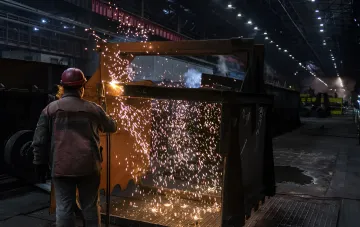
The European Union's introduction of the Carbon Border Adjustment Mechanism (CBAM) places immense pressure on Ukraine's economy amid the ongoing full-scale war. Business representatives and experts insist on the urgent need to conduct productive negotiations with the European Commission to secure a deferral on this fee. Large-scale combat destruction and the critical situation in the energy system deprive domestic enterprises of the opportunity to comply with stringent European environmental standards.
Business Arguments Regarding Force Majeure Circumstances
Ruslan Illichov, General Director of the Federation of Employers of Ukraine, stated during the United by Mining conference that there are all legal and factual grounds to recognize the current situation as force majeure. According to him, Ukrainian industry—specifically metallurgical plants, cement factories, and the mining sector—is physically unable to implement large-scale ecological modernization projects due to permanent shelling and resource shortages. The introduction of the carbon duty since January 1 of this year deals a crushing blow to the country's export potential.Contradictory Data
There are ongoing discussions regarding the scale and timing of potential losses for the Ukrainian economy. While analytical centers such as GMK Center point to CBAM regulation provisions allowing exemptions in cases of massive infrastructure destruction, some European and domestic experts doubt Brussels' readiness to grant major preferences without strict reciprocal commitments to decarbonization in the post-crisis period. Management of large plants like ArcelorMittal Kryvyi Rih warns that under a worst-case scenario, total financial losses for domestic metallurgy could exceed $1 billion annually.