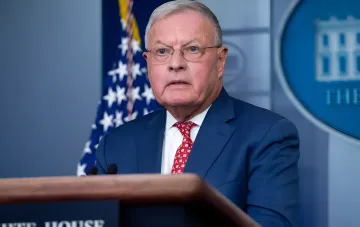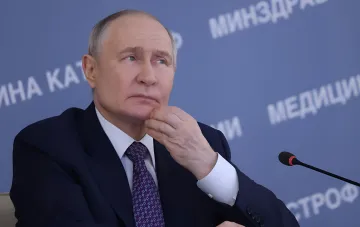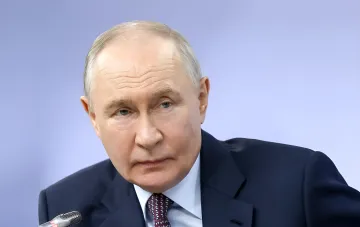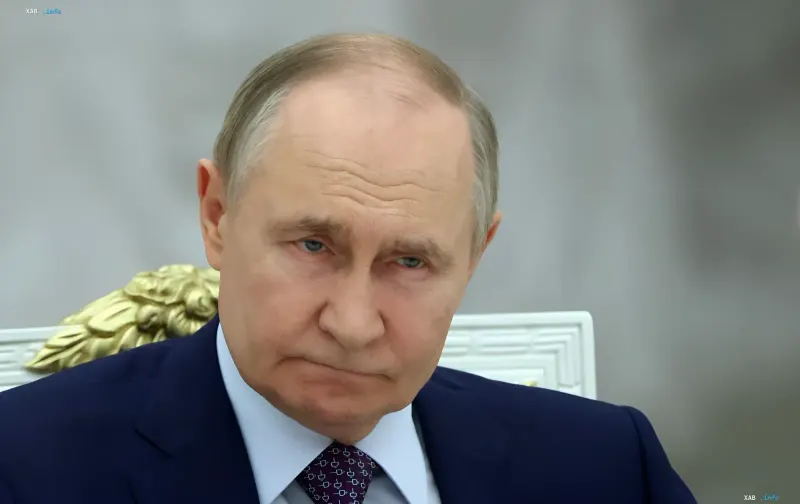
Brussels has delivered a sharp response to the latest wave of statements by Vladimir Putin on the need to eliminate the so-called “root causes” of the conflict in Ukraine. According to RBC-Ukraine, EU Commissioner for Defence and Space Andrius Kubilius stated outright that the key source of aggression is not external factors, but the decisions of the Russian leader himself. His comment came against the backdrop of Moscow's talks with US representatives, after which Putin once again returned to the narrative of “causes” allegedly lying beyond his responsibility.
Brussels's reaction to Moscow's rhetoric
Commissioner Kubilius did not dispute the logic of the phrase “root causes” itself, but redefined its content. In his words, it is precisely the actions of the Russian leadership that constitute the essence of the conflict, rather than any geopolitical circumstances cited by the Kremlin. According to Brussels's assessment, this approach allows moving away from the rhetoric of accusations against the West and refocusing on the specific decisions made in Moscow.
“Root causes” according to the EU Commissioner
In his statement, Kubilius listed three elements that, in his view, form the real chain of causes of the war: Vladimir Putin himself, his decision to occupy Crimea in 2014, and the full-scale invasion in 2022. The politician underscored the irony of the moment: “This is the first time I agree with Putin: the real ‘root causes’ of the war must be eliminated!” Thus, Brussels has effectively adopted Moscow's argumentation about the need to “eliminate the causes,” but shifted it onto the figure and decisions of the Russian leader.
Contradictory data
It is important here to honestly note the discrepancy between the positions of the two sides. Vladimir Putin, in his statements following the talks with the US, continues to insist that the conflict has “root causes” that must be eliminated to achieve peace — in his public rhetoric this is traditionally interpreted as external factors and the actions of Western structures. EU Commissioner Kubilius, by contrast, asserts that no such external “root causes” exist, and that the only genuine cause is Putin himself and his decisions of 2014 and 2022. Thus, both sides use the same term — “root causes” — but imbue it with opposite meanings: Moscow sees them beyond its own responsibility, while Brussels sees them in the very person and policy of the Russian leader. Neither version has been refuted by documentary evidence, and the discrepancy remains a matter of political rather than factual debate.
Context: “shadow war” and escalation
Kubilius's statement came against the backdrop of alarming data on Russia's preparation of a new wave of targeted sabotage operations and assassination attempts in NATO countries. According to security experts, the Kremlin is reportedly seeking operatives through social networks, aiming to intensify the so-called “shadow war” against the West. These reports complement the picture of escalation cited by Brussels and explain why Europe is speaking with growing firmness about the personal responsibility of the Russian leadership for the course of the conflict.
Mirror response and shifting the conflict
Separately, the European Union emphasizes that Vladimir Putin has effectively shifted the war onto the territory of Russia itself: as a result of the constant escalation from Moscow, the aggressor state, in Brussels's assessment, is now receiving a “mirror response.” Taken together with Kubilius's position, this forms a unified line of European rhetoric: peace, by its logic, is impossible without eliminating the Russian leader's decision to continue the war, rather than without concessions by Ukraine or its allies.