According to Western analysts and Ukrainian experts, the Russian leadership is consciously choosing a course of conflict escalation, attempting to break out of a strategic dead end at the front. Against the backdrop of long-range strikes by Ukraine's defense forces on targets inside Russian territory and growing anxiety in society, the Kremlin, it is noted, is preparing a series of retaliatory actions — from massive attacks on Ukraine's energy infrastructure to an intensification of hybrid operations in Europe. The central event of recent weeks was the unannounced visit to Moscow by CIA Director John Ratcliffe, after which a number of incidents were recorded in Europe, heightening NATO countries' concern about possible sabotage and strikes on infrastructure.
The CIA director's visit to Moscow
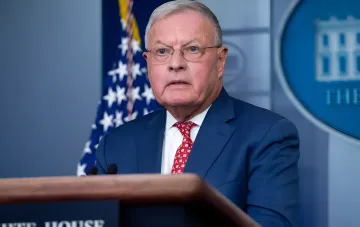
According to sources, Ratcliffe arrived in the Russian capital without prior announcement. Several versions of the trip's purpose have emerged in the public sphere: from warning the Kremlin against attacks on the Alliance to an attempt to persuade Vladimir Putin to sit at the negotiating table against a backdrop of grim prospects for Russia. According to media reports, the CIA chief also proposed a format for a trilateral meeting involving Putin, Donald Trump, and Volodymyr Zelenskyy. Meanwhile, insiders claim that Putin interpreted the very fact of the CIA chief's arrival as a sign of U.S. weakness — by analogy with Bill Burns's visit in November 2021 on the eve of the full-scale invasion. Just three days after the trip, a series of incidents was recorded in Europe, which, analysts believe, confirms the line of pressure chosen by Moscow.
Contradictory data
Accounts of the content and purpose of Ratcliffe's visit differ substantially across sources. According to one version, the CIA director was to warn the Kremlin against attacks on NATO or persuade Putin to move toward negotiations. According to another, relayed through expert Dmytro Brouter, Ratcliffe discussed in Moscow matters related to the transfer of information. A third version, cited by the media, indicates that the CIA chief proposed a trilateral meeting of the leaders of Russia, the U.S., and Ukraine. Finally, some observers interpret the trip as the delivery of a message on several tracks at once — on Ukraine, NATO, and Iran. Thus, there is no single confirmed picture in open sources of what exactly was discussed and with what result: some speak of a warning, others of a proposed negotiating format, still others of a channel for transferring information. This divergence of versions persists in assessments of the Kremlin's reaction as well: some analysts claim the visit was perceived as weakness, whereas the very fact of proposing a meeting implies an attempt at dialogue.
Internal causes of escalation
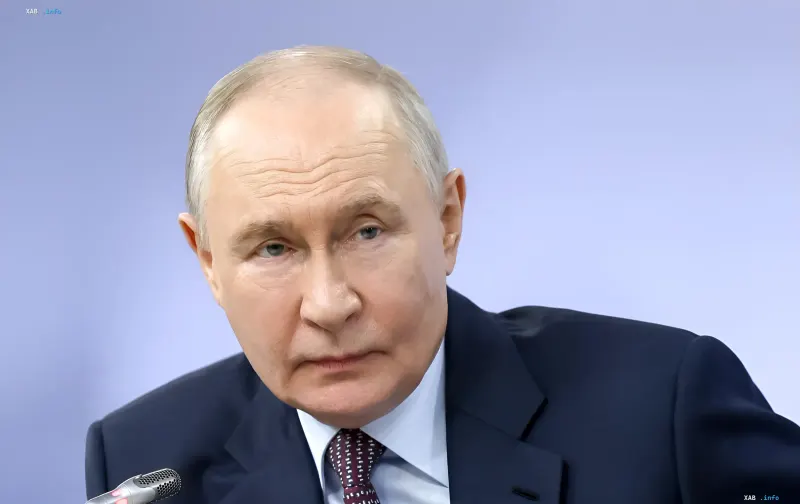
The publication's analysts emphasize that the decision to escalate is driven primarily by internal causes: Putin's key objective remains preserving his own power and life. Against the backdrop of strikes on Russian territory, anxiety is growing among Russians, and the leader's ratings are falling. The Kremlin regime, it is noted, operates on criminal logic in which any display of weakness is unacceptable. Ending the war without completing the minimum task — seizing the entire territory of the Donbas — is perceived as a direct threat to Putin's own survival. According to media reports, he once told his allies: "They will hang me."
Hybrid attacks and strikes on energy
Western intelligence services believe that Moscow will avoid a direct military confrontation with NATO and instead intensify hybrid attacks: sabotage at European factories producing weapons for Ukraine, and strikes on supply logistics routes. Inside Ukraine, according to intelligence data, fresh massive attacks on the energy sector are being prepared, as the Russian Ministry of Defense openly announced on August 30. On August 22, Putin announced strikes on the "most sensitive sectors" of the Ukrainian economy, calling Ukraine's successful strikes on Russian warehouses "opening Pandora's box" and stating that massive strikes on Ukraine are "effective and timely."
A new conscription system and repression
The Kremlin, according to available data, intends to recruit another 300,000–400,000 people into the army. At the same time, the new wave of mobilization will not be officially declared: the forced recruitment, as expected, will be carried out by regional administrations in order to suppress potential local discontent. The new conscription system is already being tested in Penza Oblast. In parallel, Russia is expected to intensify repression against "internal enemies" as a demonstration of strength. Meeting with the United Russia party, Putin categorically rejected the possibility of ending the war, while First Deputy Head of the Presidential Administration Sergey Kislyitsa noted that Putin is not inclined toward peace negotiations and is betting on terror against civilians, expecting that Ukrainians will not survive the winter period.