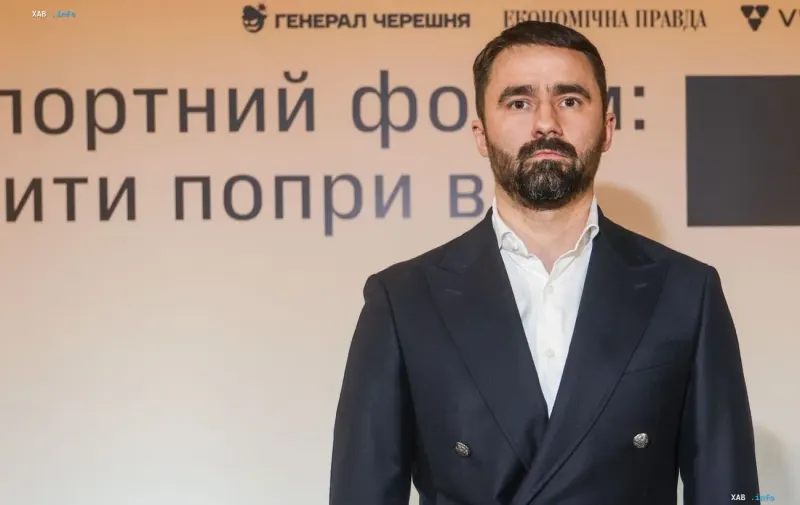
The recovery of Ukraine's metallurgical industry will require not only large-scale repairs of destroyed enterprises, but also the active attraction of European funding, advanced technologies, and the creation of joint industrial clusters with the European Union. This was stated by Oleksandr Vodoviz, Head of the CEO Office at Metinvest Group, during the 'Ukrayinska Pravda' Export Forum, emphasizing the crucial role of integration into European production chains.
Wartime Challenges and the Logistics Crisis
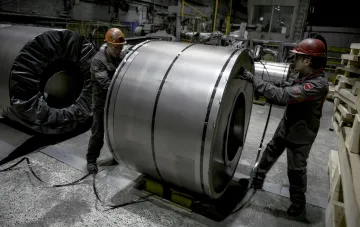
Currently, Ukrainian metallurgy is under simultaneous severe pressure from regular Russian attacks, the ongoing blockade of Black Sea ports, and existing trade restrictions imposed by the European Union. Due to critical problems with maritime logistics, the European direction has effectively remained the only available market for exporting Ukrainian ore and finished rolled metal. The Metinvest representative noted that under the current extraordinary circumstances, the same trade restrictions should not be applied to Ukrainian producers as to other market players.
The situation is significantly compounded by the fact that domestic enterprises are forced to simultaneously finance the costly restoration of destroyed infrastructure and invest substantial funds in production decarbonization. While the European Union allocated 9 billion euros between 2022 and 2025 to the ten largest European steel companies to reduce CO₂ emissions, the Ukrainian sector lacks such a financial cushion. The loss of about 60% of steelmaking capacity due to hostilities and an acute outflow of qualified personnel from frontline regions create additional barriers to restarting full-scale production.
Integration into the EU Market and the Role of Industrial Clusters
Vodoviz called the creation of joint industrial clusters between Ukraine and the EU, which will help attract investments and technologies, one of the most effective mechanisms for overcoming the crisis. Accelerated integration into the European economic space requires close cooperation with partners to harmonize legislation and implement necessary production standards. According to the top manager, European integration for domestic heavy industry opens up access to cheaper credit resources and a capacious European market despite existing rules.
Starting January 1, 2026, the Carbon Border Adjustment Mechanism (CBAM) fully came into operation in Ukraine, involving the introduction of a special duty on the import of carbon-intensive goods into the EU, including steel and cement. Industry experts have repeatedly warned about the serious risks of this instrument, as the European Commission did not provide exceptions for Ukraine against the backdrop of a full-scale war. According to GMK Center analysts, the total losses of the Ukrainian economy by the end of the year due to new quotas and the effect of CBAM could exceed 1 billion dollars in foreign exchange earnings.
Prospects and a Comprehensive Approach to Recovery
The future of Ukrainian metallurgy directly depends on the formation of a comprehensive state and international strategy combining the physical rebuilding of plants, the preservation of human capital, and flexible trade conditions. Creating industrial clusters with European partners can lay a solid foundation for modernizing the industry according to green economy standards after the end of hostilities. Further developments will show how flexible the EU regulatory mechanisms regarding Ukrainian exporters will prove to be amid an unprecedented crisis.