The European Union is taking a decisive step in the economic war against Moscow. Representatives of the European Commission have officially confirmed that member states have been granted the right to sell Russian oil seized from vessels of the "shadow fleet." This innovation has become a key part of the new sanctions package adopted on Thursday following lengthy negotiations among diplomats.
From Confiscation to Sale: The EU's New Tactic
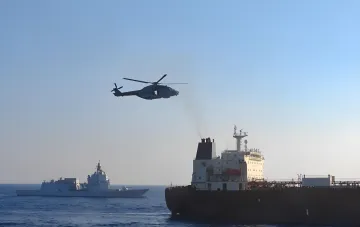
Previously, Western countries were limited to merely seizing vessels and arresting cargoes. Now, Brussels is legalizing the monetization of these assets. As an EU official stated, a "very important provision" of the new regulation allows member states not only to board vessels during maritime operations but also to dispose of the valuable cargo.
The main question for diplomats for a long time was the fate of the seized oil—one of Russia's most profitable export commodities. Now this issue is resolved: the confiscated crude will be sold. According to European Commission representatives, this mechanism could also be applied to other goods, such as grain, if found on vessels violating sanctions.
"Shadow Fleet" in the Crosshairs: Scale of Seizures
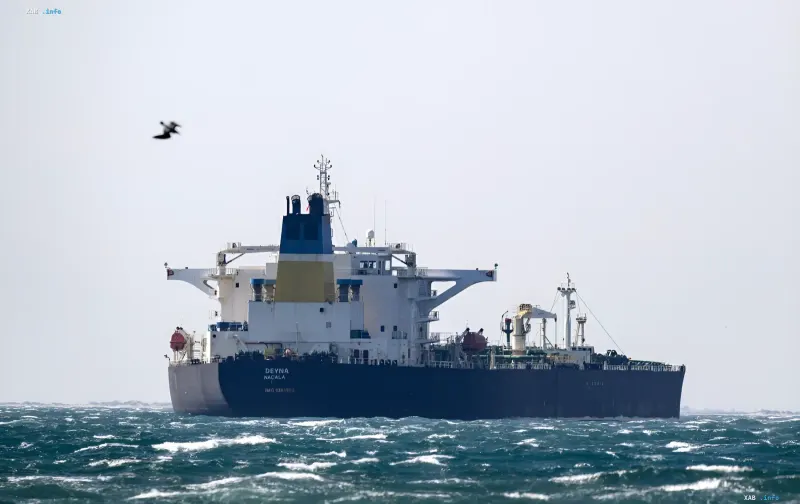
Seizures of Russian tankers are becoming an increasingly frequent occurrence in international waters. Statistics from recent months demonstrate the scale of the operation:
- Belgium: In March, a tanker suspected of belonging to the Russian "shadow fleet" was detained in the North Sea. The vessel's capacity was approximately 330,000 barrels of oil. At current market prices, the cargo was valued at $26 million.
- France: Last month, French authorities took control of another vessel with a capacity of 600,000 barrels. The detention occurred shortly after the tanker left Murmansk. The value of this oil shipment is approximately $48 million.
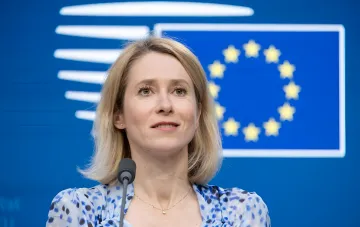
Furthermore, the EU's top diplomat, Kaja Kallas, reported the seizure of the MV South Star in the Mediterranean Sea on July 20. European maritime security officers boarded it for a "flag check," confirming the reality of threats regarding price cap violations.
Moscow's Response and the Kremlin's Economic Losses
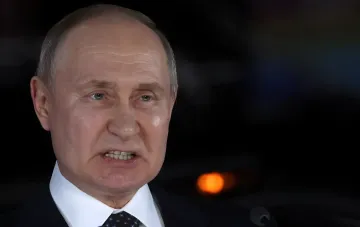
Moscow's reaction to such actions has been harsh. The Kremlin has labeled these seizures as "piracy" and promised to respond with "all necessary means." Nevertheless, Brussels insists on the legitimacy of its actions.
"Every illegal voyage helps sustain Russia's war machine. We are backing up our sanctions with actions at sea," stated Kaja Kallas, emphasizing the strategic goal of these operations.
The new sanctions package, which is already the 21st since the start of the full-scale invasion in 2022, also provides for freezing the oil price cap for 12 months. This means EU companies will not be able to provide services, including insurance, to Russian tankers selling oil above the established limit.
Currently, the cap stands at $44 per barrel. Without a new agreement, it was set to rise to $58. According to European Commission estimates, maintaining current restrictions will cost the Kremlin $3.5 billion in lost revenue over the next year. Calculations are based on an average Urals crude price of $60 per barrel, although amidst the escalation of the conflict between the US and Iran, the price of this grade rose to $80 in early July.