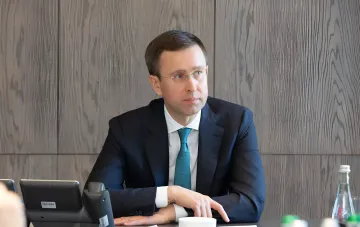
The European Union is not exerting any pressure on Ukraine regarding the mobilization of women into the Armed Forces. This was stated on September 11, 2026, by EU Commissioner for Defence and Space Andrius Kubilius while speaking with journalists in Brussels, refuting claims circulating in Russian sources about an alleged Brussels demand to conscript Ukrainian women into military service due to a shortage of personnel. “I have no such information. It would be very strange if Europe tried to convince Ukrainians of exactly how to carry out mobilization, including the alleged mobilization of women,” the official emphasized, adding that personnel provisioning and mobilization processes are the exclusive competence of the Ukrainian leadership and military command.
Kremlin manipulation as a tool of information pressure
According to Kubilius, the appearance of such fabrications from Russia is no surprise to him. “I am not at all surprised that such statements are being made from the Kremlin,” the EU Commissioner noted, effectively classifying the Russian narratives as an element of an information campaign. Experts point out that such disinformation is embedded in a broader strategy of discrediting Kyiv on the international stage: a false impression is created that Ukraine is losing sovereign control over its own mobilization decisions and is forced to take “unpopular” steps under external pressure. In reality, as Brussels emphasizes, the issue of women’s mobilization has not been raised or discussed in any official EU document, within military aid programs, or during bilateral consultations.
What Ukrainian legislation actually says
In Ukraine, the mobilization of women remains exclusively voluntary to date. Only female citizens with a medical or pharmaceutical education are required to register for military service. At the same time, the mere fact of being on the register does not mean automatic conscription or deployment to the front — this concerns exclusively the administrative registration of specialists whose competencies may be required in the military medical support system. Military service for Ukrainian women is still carried out on a voluntary basis, and no legal mechanisms for the compulsory conscription of women are provided for in the current legislation.
Petitions, rumors, and public opinion management
Ukrainian society periodically experiences alarming rumors about the possible introduction of compulsory mobilization of women or their “search” by territorial recruitment centers (TRC). Recently, a petition for the mobilization of childless women even appeared on the Cabinet of Ministers’ website, with its author appealing to the “principle of equality of citizens.” The Center for Countering Disinformation at the Secretariat of the National Security and Defense Council of Ukraine has repeatedly noted that such initiatives — both internal petitions and Russian information disinformation — are intended to divide society and undermine trust in state institutions. Isolated cases in which female citizens learned of being in the TRC “search” due to not being on the register are related to other legal procedures and do not indicate the start of mass conscription of women.
Context: a woman in the ranks
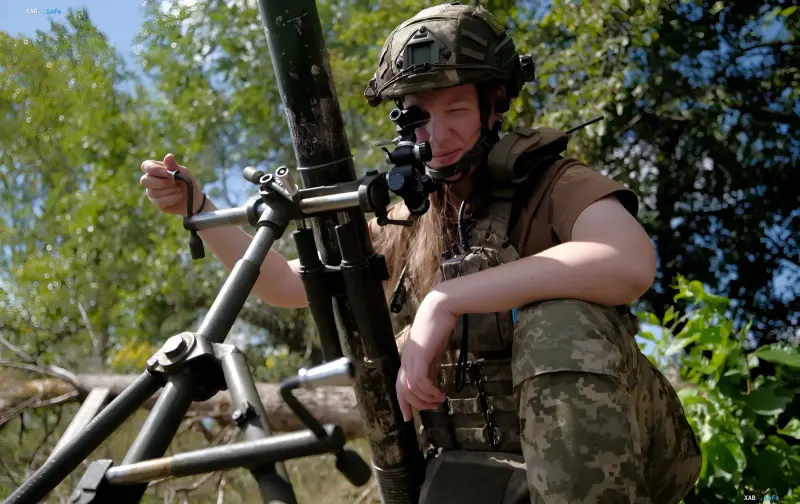
Despite the voluntary nature of service, women make up a significant part of the personnel of the Armed Forces of Ukraine. They serve in various branches of the military — from artillery and engineering units to intelligence and military medical services. The image of a female soldier in tactical gear next to heavy weaponry, which has become symbolic of the current phase of the conflict, clearly demonstrates that women’s participation in the defense of the country is a conscious personal choice, not the result of external pressure. It is precisely this principle — of a sovereign and voluntary decision — that Kubilius emphasizes, rejecting any attempts to attribute to Brussels the role of “architect” of Kyiv’s mobilization policy.