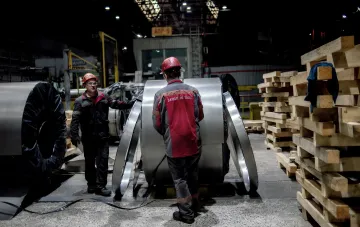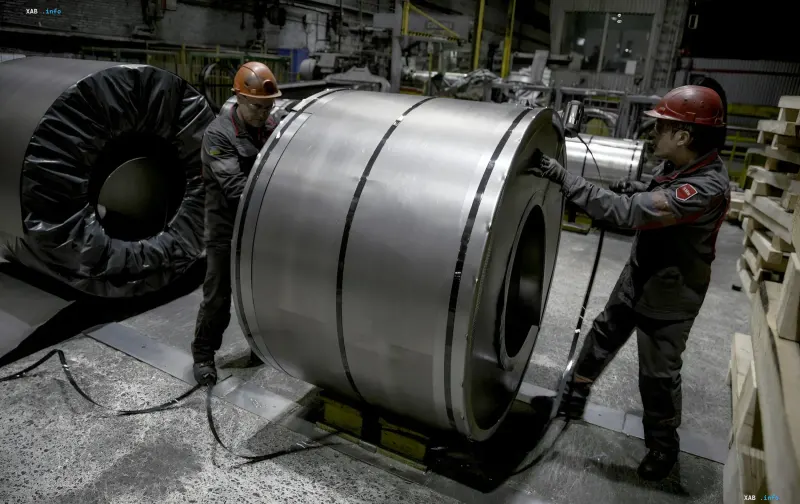
The European Union has introduced new steel import quotas, formally aimed at protecting the domestic market from cheaper products from China and Turkey. However, according to Metinvest CEO Yuriy Ryzhenkov, these restrictions have hit Ukraine hardest of all: Ukrainian steel exports to the EU could drop by 50–60%. Ryzhenkov stated this in an interview with the BBC, as cited by RBC-Ukraine. According to him, Kyiv has essentially been put on a par with all other suppliers, without taking into account the war, the destruction of logistics, and the loss of alternative sales markets.
What the New EU Rules Entail
Under the updated European Union policy, 18.3 million tonnes of steel per year can be imported into the bloc duty-free — 47% less than in 2024. Brussels explains the measures by the need to reduce imports, as European producers find it increasingly difficult to compete with Chinese and Turkish steel on price. At the same time, the European Commission claims that the complex situation in Ukraine was taken into account when shaping the new policy, and a separate quota is maintained for the country. However, as Brussels itself admits, export volumes will be lower than in previous years.
Why Ukraine is More Vulnerable Than Others
For Ukraine, restricted access to the European market is not an abstract trade problem, but a matter of industry survival. Due to the war and logistical difficulties, the EU market has essentially remained the only available sales destination. «Access to the European market is a necessary condition for survival. The restrictions introduced by the EU authorities do not contribute to this,» Ryzhenkov stressed. He added that shrinking this market by 60% «does not help the industry survive at all».
Production Crisis: Zero Tons of Steel for the First Time in 150 Years
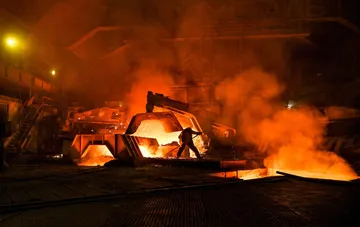
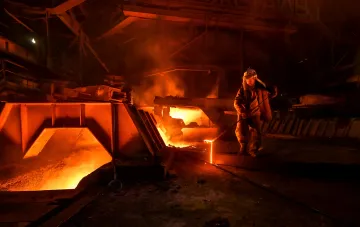
The quota problem is compounded by a sharp deterioration of the situation within the country. According to Ryzhenkov, all Ukrainian metallurgical enterprises have been targeted by Russian strikes during the full-scale war, and the intensity of attacks has increased significantly of late. In September 2026, there was a period when not a single ton of steel was produced in Ukraine — for the first time in approximately 150 years. Before the full-scale invasion, the mining and metallurgical complex accounted for about 10% of the country's GDP and a third of its exports. Now the industry is simultaneously facing the physical destruction of enterprises, a logistical collapse, and the narrowing of its key sales market.
Financial Losses: From 49.5 to 100 Billion Hryvnias
According to data cited in the article, in the first nine months of 2026, the Ukrainian budget has already undercollected about 49.5 billion hryvnias in taxes due to the blockade of ports and new EU quotas. By the end of the year, losses from the shutdown of metallurgy could rise to 70 billion hryvnias, and under a pessimistic scenario — up to 100 billion hryvnias. Thus, the combination of military strikes on infrastructure and EU trade restrictions creates an unprecedented double blow for Ukrainian metallurgy, threatening not only individual enterprises but also the macroeconomic stability of the country.
The Quota Paradox: Russian Steel and Ukrainian Restrictions
Ryzhenkov previously pointed out the paradox of the situation: while Ukrainian steel is restricted by quotas, some Russian products continue to flow into the European market. The Metinvest CEO considers it unfair that Ukraine has been put on a par with all other suppliers without taking into account that the country is waging a full-scale war and has lost a significant part of its export destinations. For an industry that was one of the pillars of the economy until 2022, the combination of these factors calls into question the very existence of metallurgy on its current scale.