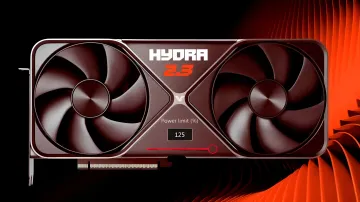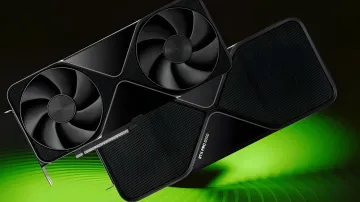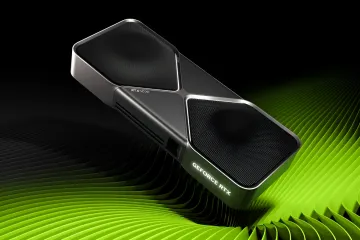
The graphics accelerator market in the US is experiencing another turbulent period. In August 2026, a sharp spike in prices for NVIDIA GPUs based on the Blackwell architecture (RTX 50 series) was recorded, hitting the mass-market segment the hardest. According to analysts at Tom's Hardware, the median cost of popular mid-range models increased by 36–39% in just two months. This makes building a new gaming PC significantly more expensive than enthusiasts had planned at the beginning of the year.
Crisis in the Mid-Range: RTX 5060 and RTX 5070
The most dramatic changes occurred in the category of video cards aimed at a broad audience. The RTX 5060 Ti with 16 GB of memory, previously positioned as the optimal choice for 1440p gaming, has increased in price by 39%. The median price for this model is now $529.99, compared to the recommended $369.99. The situation with the base RTX 5060 is even more worrying: its cost has risen to $469.99, which is $100 higher than the starting price of $369.99. The RTX 5070 model was not left out either — its price reached $899.99, an increase of 36%.
The Flagship Paradox: Why Did the RTX 5090 Increase Less?
Interestingly, flagship solutions demonstrate lower volatility. The RTX 5090 increased by 9%, and the RTX 5080 by only 3%. The RTX 5070 Ti model maintained its median price at $1099.99. Experts link this to the fact that the flagship market has already matured, and demand for them has stabilized. At the same time, the mid-range segment has become an object of speculation and shortages caused by high demand for affordable solutions for mass gaming and artificial intelligence tasks.
AMD's Position: Stability in the Storm
Against the backdrop of price chaos at NVIDIA, competitor AMD demonstrates relative stability. The RX 9070 XT video card increased by only 5%, and the RX 9070 GRE model holds steady near the recommended price of $549. This makes AMD products more attractive to buyers looking for a balance between performance and cost. However, despite this, demand for NVIDIA remains high due to the CUDA ecosystem and advantages in rendering and neural network tasks.
Contradictory Data
There are discrepancies in estimates of the scale of the price increase. According to a report by Club386, price growth for some RTX 50 models reached 41% over the last two months, which is higher than Tom's Hardware data (39%). Furthermore, some retailers report a temporary shortage of the RTX 5060 Ti, which may indicate an artificial restriction of supplies to maintain high prices. At the same time, other sources claim that the price increase is due to a real shortage of components and growing demand from corporate clients.
What to Expect Next?
Analysts predict that prices for NVIDIA video cards will remain high for the coming months. It is expected that by the end of 2026, the situation may stabilize if NVIDIA increases production volumes and expands supplies to the mid-range segment. However, given current trends, consumers should be prepared for the fact that building a new PC will cost significantly more than last year.