
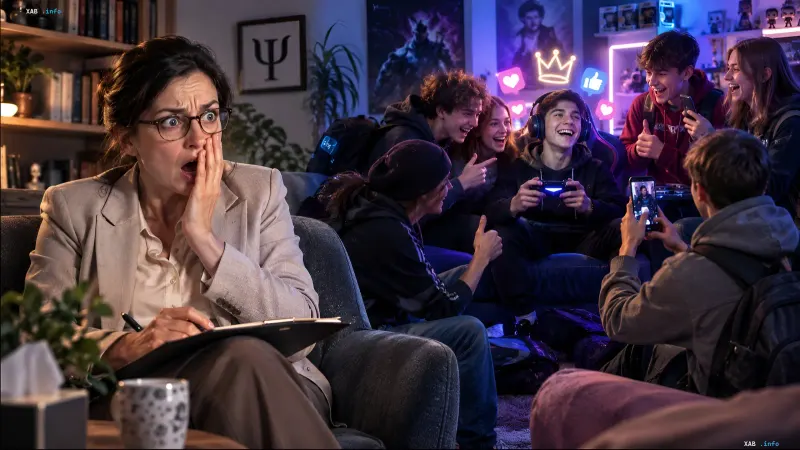
Modern interactive entertainment has firmly entered the daily lives of millions of people, yet sometimes this hobby turns into a serious problem. Dr. Isabel Brandhorst, heading a specialized research group at the Tübingen clinic, explained in detail the features of digital addictions. According to the specialist, playing video games in itself poses no danger as long as it harmoniously fits into the routine and does not crowd out sleep, studies, or live communication with friends.
Criteria of Digital Addiction
However, the situation changes dramatically when a person loses the ability to control the time spent in front of the monitor. The World Health Organization has introduced an official diagnosis of gaming disorder, which is confirmed if three key symptoms are present over the course of a year. These include loss of control over the process, displacement of all other life interests, and continuation of sessions despite obvious harm to health or studies.
Social Status and the Trap of Perception
Many teenagers perceive spending hours in front of a monitor not as an alarming symptom, but as a source of pride and a way to stand out among peers. Schoolchildren readily point out the champions of time spent in virtual worlds, and the titleholders themselves eagerly flaunt their status as incorrigible recluses. This behavioral model represents a treacherous psychological trap that supposedly completely suppresses critical thinking and deprives a person of incentives to change their usual lifestyle.
Contradictory Data
While clinical specialists sound the alarm regarding the formation of gaming addiction and youth isolation, other studies point to the cognitive benefits of video games. Some experts note that moderate fascination with interactive projects can stimulate brain activity, improve reaction times, and develop strategic planning skills. Nevertheless, the boundary between useful mental training and destructive addiction remains a subject of active discussion in the scientific community.
Engagement Industry and Solutions
The entertainment industry actively uses sophisticated engagement tools, including microtransactions and random reward systems, which strengthen emotional attachment to the gameplay. Often, an excessive craving for virtual worlds is merely a consequence of deep psychological difficulties, stress, or depression, serving as a way for a person to escape an unpleasant reality. Timely diagnosis and contacting specialized experts make it possible to effectively cope with emerging disorders.