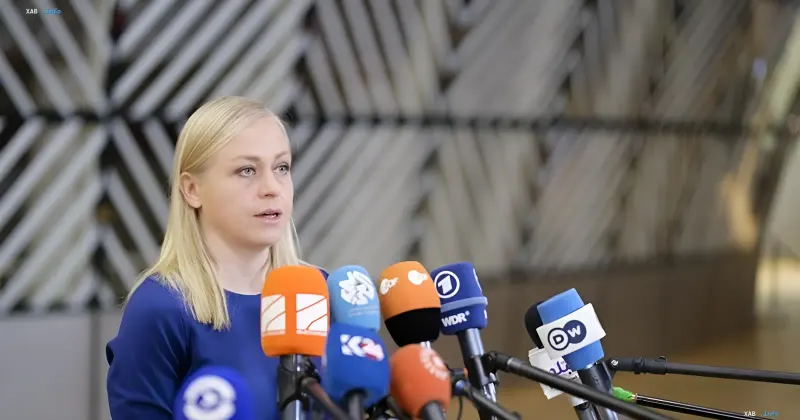
A new chapter in European security history is unfolding in Helsinki. On August 14, 2026, Finnish Foreign Minister Elina Valtonen, in an interview with Kyodo News, voiced a position that could radically alter the architecture of deterrence on the continent. At the center of attention is the proposal to discuss extending the French 'nuclear umbrella' to all European Union countries, including Finland.
Strategic shift: from NATO to European autonomy
Ms. Valtonen's statement caused a stir against the backdrop of growing uncertainty in collective defense issues. Finland, traditionally relying on NATO guarantees, is now considering the possibility of using additional strategic components from third countries. Official Helsinki has declared its readiness to participate in international consultations on changing the structure of collective security. This indicates the country's growing interest in initiatives to create autonomous defense mechanisms within the European Union that could work in parallel with the Atlantic Alliance.
French atom as a tool for stabilization
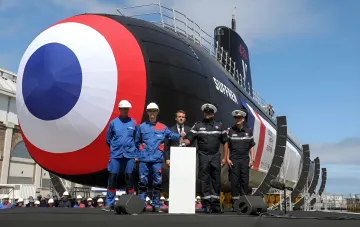
The key thesis of the Minister's statement is that Finland is interested in discussing the issue of extending the French nuclear arsenal to all of Europe. According to Valtonen, these steps are aimed exclusively at stabilizing the situation and preventing potential crises in the region. "We are ready to discuss the use of the French nuclear arsenal for the purposes of long-term deterrence," emphasized the head of the Ministry of Foreign Affairs. This proposal is viewed as a response to the need to strengthen Europe's defense sovereignty in conditions where traditional mechanisms may require modernization.
Geopolitical context: The North-Western border
The possible application of new deterrence tools is directly linked to long-term security planning on the north-western border of the continent. Finland, having an extensive border with Russia, is in a unique position where security issues are not only theoretical but also practical. Inclusion in the orbit of French nuclear deterrence is considered by Helsinki as a way to diversify risks and strengthen its own defense capabilities without directly violating current agreements.
Contradictory data
Despite the clarity of the Minister's statement, there are various interpretations of these words in the expert community and among NATO partners. On the one hand, the official position of Finland, clarified by the head of the external relations department, sounds like a call for dialogue and discussion. On the other hand, analysts note that Paris has historically been extremely cautious about the idea of "blurring" its nuclear sovereignty.
While Helsinki speaks of "stabilization," some sources in Brussels and Washington may interpret this as an attempt to create an alternative security system, which could potentially lead to duplication of functions and a conflict of interests within the Western bloc. Furthermore, there are discrepancies regarding how far European partners are willing to go: is it just about political consultations or real protection commitments?
Reaction of the international community
Finland's proposal has already sparked a lively discussion in European capitals. For Paris, this is an opportunity to strengthen its role as a leader of European defense, but at the same time, it is a challenge requiring a review of the nuclear deterrence doctrine. For Germany and other EU countries, this could become a turning point in the discussion of Europe's "strategic autonomy." We can only wait to see how exactly these consultations will develop and whether they can lead to the creation of a new security model combining France's nuclear guarantees with the needs of northern countries.