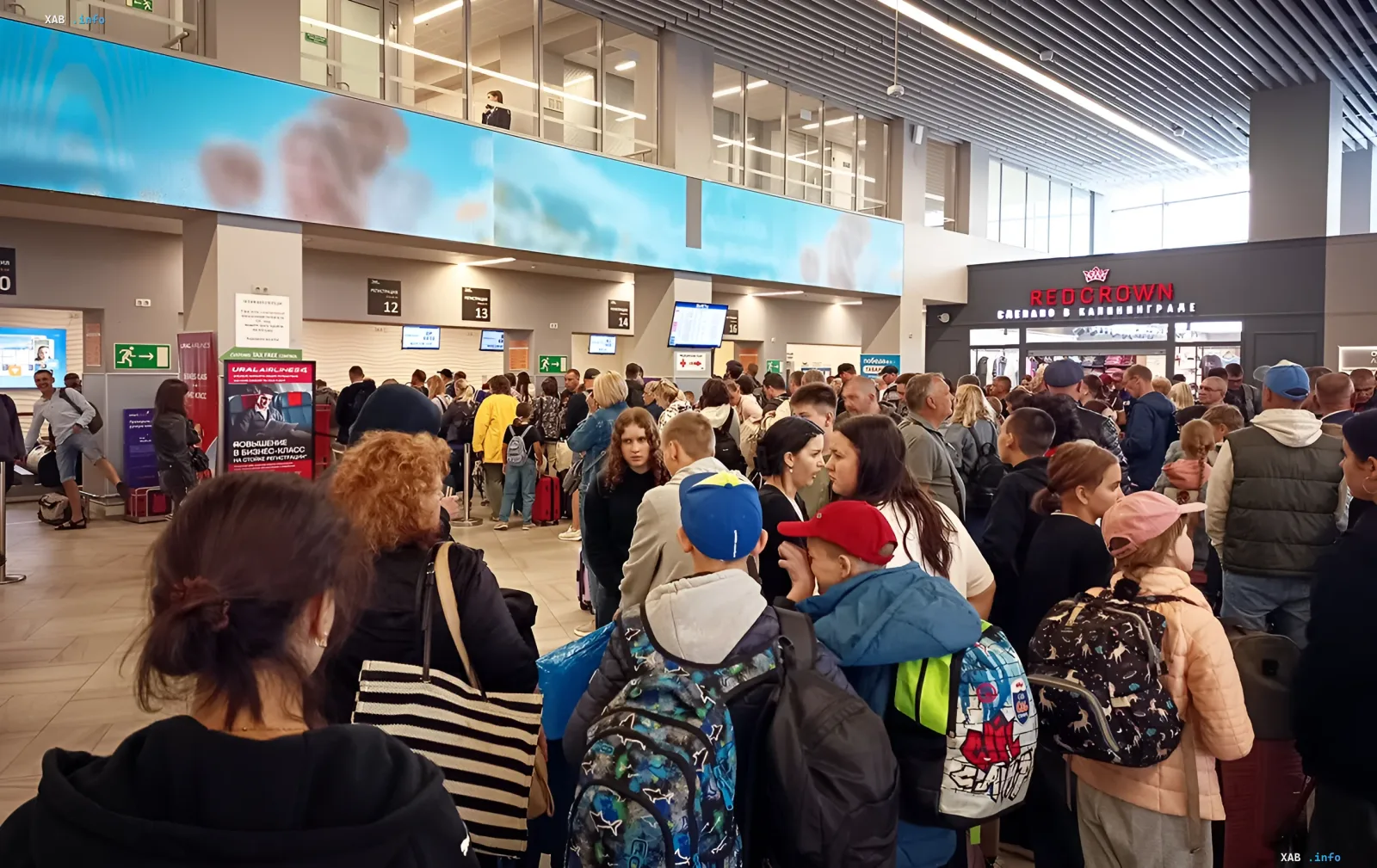
During the first three quarters of 2026, Russian civil aviation faced unprecedented difficulties. According to analytical data from AlfaStrakhovanie, which tracks about 97% of the country's passenger traffic, the frequency of regular passenger flight cancellations doubled compared to the same period last year. The main reason for the large-scale transport collapse has been regular threats and strikes by Ukrainian drones that paralyze the operation of air hubs.
Scale of Delays and Passenger Traffic Statistics
The deterioration in punctuality metrics has affected millions of citizens. From January to September 2026, over 7.6 million people were forced to wait more than three hours for their departure. This figure demonstrates a 2.5-fold increase compared to 2025. The share of flights departing on time or with a minimal delay of up to 15 minutes dropped from 57% to 52%. Meanwhile, the number of long delays increased by an average of 2.2 times, placing a colossal burden on airport infrastructure and carrier schedules.
Contradictory Data
While independent analysts and insurance companies directly link the crisis in civil aviation to the introduction of the 'Carpet' regime and the threat of UAV attacks, official Russian agencies attempt to explain the situation more broadly. Alongside security restrictions due to drones and unfavorable weather conditions, Rosaviatsiya traditionally cites technical malfunctions of aircraft. However, experts note that the frequent introduction of the 'Carpet' plan in the southern and central regions of Russia since late April has become a daily routine that radically disrupted flight logistics.
High-Profile Incidents at Capital Airports
The crisis has repeatedly led to large-scale disruptions at the country's key air hubs. For instance, on September 20, 2026, more than 400 flights were delayed or canceled in Moscow amid one of the largest drone attacks on the capital region, according to Russian authorities. A similar situation was observed on September 3, when a massive drone attack disrupted the schedules of over 120 flights at Vnukovo and Sheremetyevo airports, once again demonstrating the transport system's vulnerability to aerial threats.