By the end of 2026, food price dynamics in Ukraine will be mixed: while the active arrival of the new harvest is driving down prices for some vegetables and fruits, meat, dairy products, and eggs are already showing a sustained increase. This forecast was given by Maksym Hopska, head of the analytical department of the Ukrainian Club of Agribusiness (UCA), in a comment to RBC-Ukraine. According to him, there is currently no single trend of rising prices across the entire food basket — the situation will depend on the specific product category.
August: seasonal price drop for vegetables and fruits
According to state statistics, in August 2026, food prices generally fell by 1.3%. Seasonal items led the decline: vegetable prices dropped by 18.3%, while fruit prices fell by 12%. The expert explains this as a logical result of the active arrival of the new harvest. By mid-September, the effect is already visible in retail: tomatoes are sold at an average of 51.55 UAH, which is 24.76% cheaper than in August; bell peppers cost 144.33 UAH (down 9.40% for the month); cucumbers — 42.99 UAH (up 0.54% from August).
What is getting more expensive: meat, dairy, and eggs
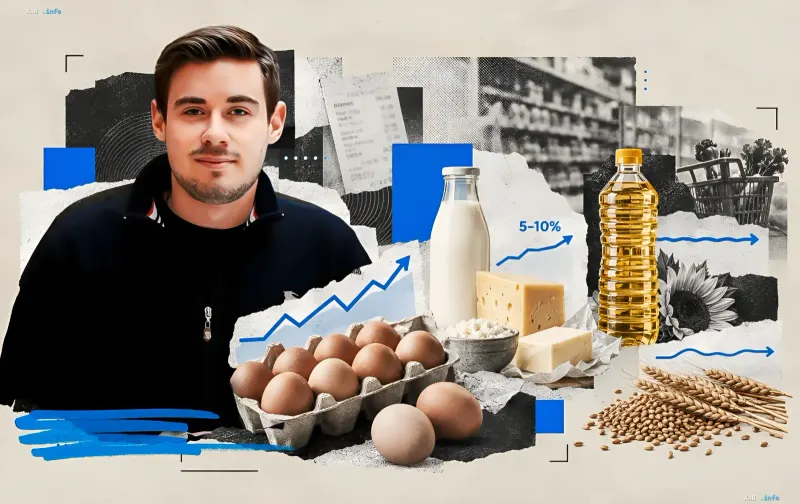
Against the backdrop of falling plant-based product prices, livestock products are already starting to rise. The trend is most noticeable for pork: purchase prices for live pigs have increased in recent weeks compared to the end of July, although the market is moving up gradually, with no grounds for a sharp spike. In retail, pork belly costs 214.115 UAH, and neck — 349.92 UAH. The average price of beef in supermarkets is 437.63 UAH; the key factors here remain limited livestock supply and demand from exporters. No sharp spike is expected for chicken, but its price will likely gradually follow beef and pork. The RBC-Ukraine infographic indicates a 5–10% range next to dairy products, reflecting their expected growth potential.
Grain harvest: no grounds for a shortage
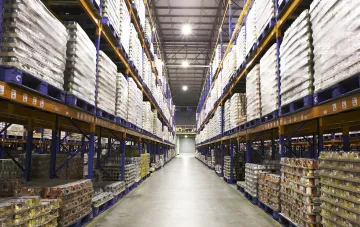
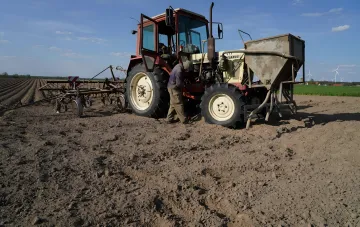
As of September 8, farmers have harvested 32.2 million tons of grains and legumes from 6.85 million hectares, or 59% of the forecasted area. 24.91 million tons of wheat have been harvested from 5.04 million hectares, and its collection is practically complete. Hopska emphasizes that there are no grounds to speak of a general grain shortage: storage, transportation, and sales capabilities of the harvest will be of significantly greater importance. Therefore, a simultaneous price increase for the entire food basket is not expected by the end of the year.
Contradictory data
At first glance, the statistics seem contradictory: on the one hand, food prices fell by 1.3% in August, while on the other hand, they rose by 7.8% in January–August 2026 compared to the same period last year. Both figures are correct but describe different cross-sections: the monthly decrease reflects the seasonal factor of the new harvest, while the accumulated growth over eight months records annual inflation in the food segment. A similar 'fork' is visible in the price structure: vegetables and fruits are getting cheaper, while meat, dairy, eggs, and import-dependent goods are getting more expensive. The UCA expert does not consider this a contradiction but describes it as mixed dynamics, where plant-based products remain relatively stable, while livestock products support the growth of the basket's cost.
Forecast for the rest of 2026
In autumn, the new harvest factor will gradually weaken: some open-ground produce will leave the market, and long-storage vegetables (potatoes, onions, carrots, cabbage, beets) will move to storage facilities, and prices will depend on how much produce can be preserved without losses. For tomatoes, cucumbers, and peppers, seasonal price increases may be more noticeable, as supply will shrink after the main season ends, and part of the demand will be met by greenhouse produce and imports. Nevertheless, according to UCA estimates, there are currently no grounds to speak of a general vegetable shortage. Conclusion: by the end of 2026, prices will move unevenly — plant-based products will remain relatively stable, while meat, dairy products, eggs, and certain import-dependent goods will rise faster.