Last week, the fruit and vegetable market in Ukraine showed divergent price trends. While some items from the traditional "borscht set" continued to rise in cost, others became significantly more affordable. Analysts from EastFruit, whose data is cited by RBC-Ukraine, recorded significant changes in pricing for fresh produce.
Rising prices for vegetables and root crops
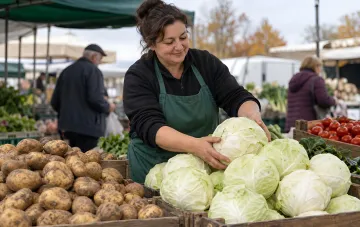
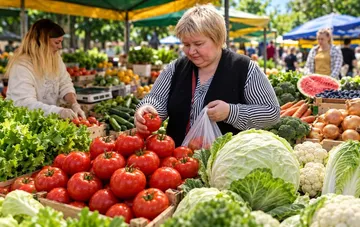
The main trend of the week was the price increase for most vegetables. The leaders in cost growth were potatoes, carrots, and onions. Tomatoes and cucumbers also continued to rise in price. Meanwhile, the price range for white cabbage and beets narrowed, indicating market stabilization for these items. Broccoli, hot peppers, and sweet corn were sold at almost the same prices as before.
Seasonal price reduction
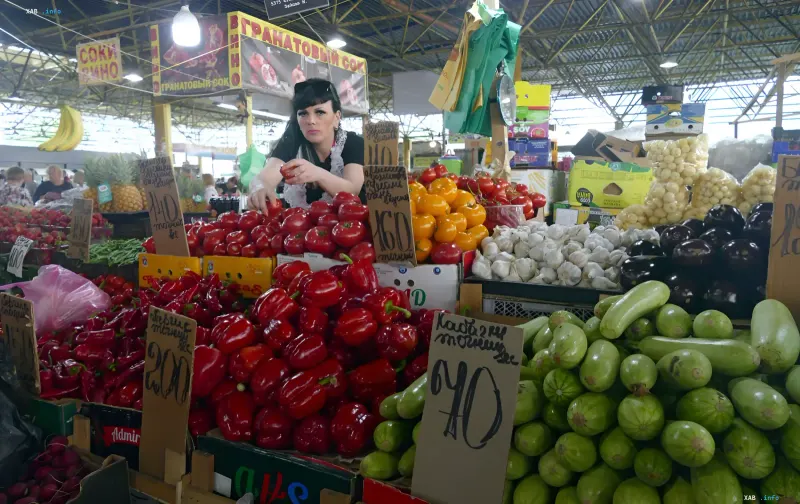
At the same time, there were also changes on the market that were pleasant for buyers. Following an increase in supply, bell peppers became cheaper. A sharp drop in prices was recorded for eggplants: their cost fell by almost three times. Even more dramatic changes occurred in the melon segment: watermelons and melons became almost half the price. This is due to the start of the harvest season, which, in particular, began in the Kherson region.
Fruits and berries: what got more expensive and what didn't
The fruit segment shows a mixed picture. Apricots, plums, watermelons, and melons continue to get cheaper. Conversely, peaches, sweet cherries, and sour cherries have become more expensive. Among imported fruits, oranges have risen in price, while lemons have become more affordable. In the berry segment, analysts noted a decrease in the cost of blueberries and bilberries, while raspberries began to rise in price.
Dynamics of market offers
Announcements for the sale and purchase of fruit and vegetable products were posted by participants from nine countries. The largest number of offers came from Ukraine, Uzbekistan, Iran, Turkey, and Poland. In the vegetable segment, carrots unexpectedly became the leader in activity: the number of offers for their sale doubled. The supply of most vegetables from the "borscht set" also increased, with the exception of cabbage. The number of eggplant sellers increased threefold, while the supply of tomatoes decreased.
It is important to note that prices for basic products in Ukrainian supermarkets change regularly under the influence of seasonal factors, demand, and marketing campaigns by retail chains. Buyers traditionally compare the cost of socially significant goods, such as bread, milk, eggs, and cereals, trying to find the most advantageous offers.