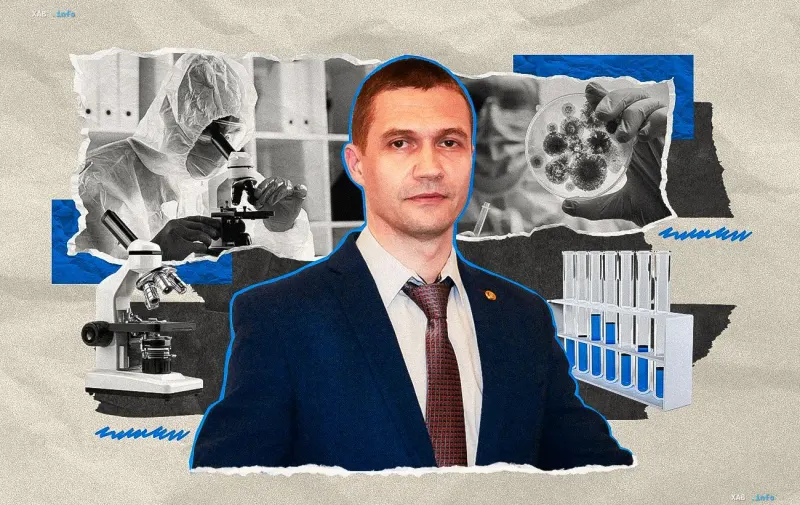
In Lviv, scientists at the Cell Biology Institute of the National Academy of Sciences of Ukraine are actively working on producing eco-friendly biofuel from plant waste and valuable vitamins from non-food raw materials. Institute Director Kostiantyn Dmytruk spoke about key areas of genetic engineering, anticancer drug developments, and existing technological barriers.
Four key areas of scientific work
The institute houses four specialized departments uniting experts in molecular biology, biotechnology, and cell biology. About half of the researchers focus on microorganisms, including yeast and bacteria, while others study cell lines encompassing healthy and cancerous tissues. Specialists create genetically modified strains to synthesize biologically active compounds, research enzymes for biosensors, and develop advanced approaches to regenerative medicine.
Innovative biofuel from agricultural waste
One of the institute's most promising projects is the technology for producing ethanol from non-food raw materials such as straw and wood processing waste. Utilizing plant waste avoids resource competition with the food sector and recycles agricultural byproducts. The process involves raw material grinding, chemical pretreatment, enzymatic breakdown of polysaccharides into simple sugars, and subsequent yeast fermentation.
Advantages of thermotolerant yeast and technological barriers
To efficiently process sugars, scientists use thermotolerant yeast of the species Ogataea polymorpha, capable of operating at 45–48 degrees Celsius and fermenting xylose. Specialists increased xylose-derived ethanol production more than 30-fold by introducing necessary genes and modifying transport proteins. However, the technology is not yet ready for industrial implementation due to toxic compounds formed during pretreatment that inhibit yeast, as well as the lack of required pilot plants.
Prospects for introducing biotechnologies into the real sector
Further development of these projects depends on successfully solving microorganism resistance to toxic hydrolysis byproducts and financial support for large-scale testing. Currently, research in this direction continues with grant support from the National Research Foundation of Ukraine. Despite the fact that straw-derived ethanol requires significant refinement, Lviv scientists are laying the technological foundation for clean energy and modern pharmaceuticals of the future.