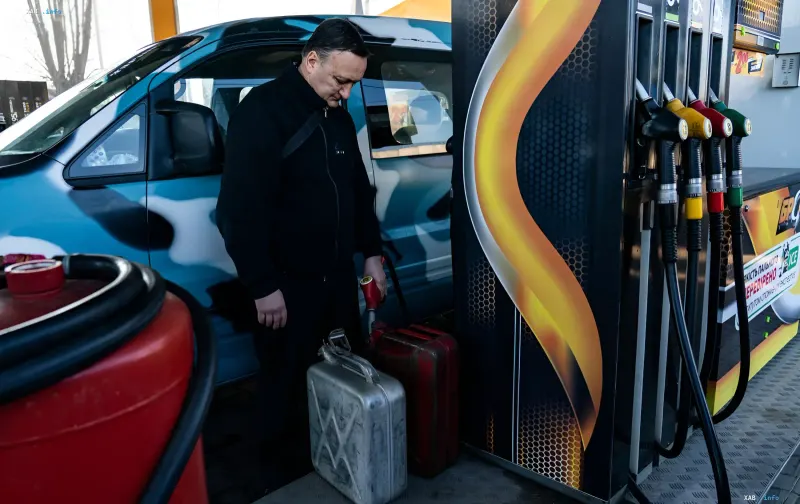
Against the backdrop of steady fuel price growth at Ukrainian filling stations, analysts are increasingly pointing out that the classic correlation "the dollar goes up, gasoline goes up" no longer reflects reality. In the RBC-Ukraine podcast "TSE BAZA" (THIS IS THE BASE), Serhii Kuyun, director of the A-95 Consulting Group, explained that the historical proportion where every dollar in the exchange rate led to an 80-kopeck increase per liter of fuel has shifted. According to his estimate, one hryvnia in the dollar exchange rate now adds about 60 kopecks to the price of fuel. "Due to the fact that the cost of fuel has risen significantly and the digit capacity is different now, this proportion has shifted slightly," the expert noted. With a liter priced at 110 hryvnias, currency fluctuations have ceased to be the main driver of price increases.
Frozen Money: Where Importers' Working Capital Is Stuck
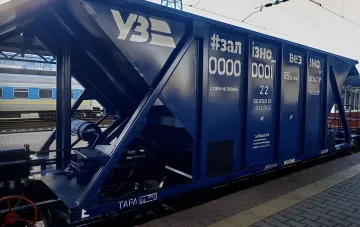
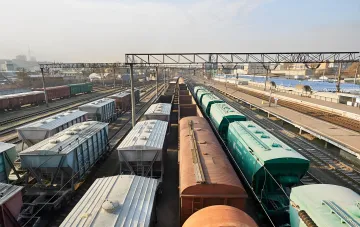
Kuyun identified the acute shortage of working capital among major importers as the primary problem in the fuel market. According to him, a significant portion of capital is physically "frozen" in transit: fuel shipments sit in ports for weeks or months or move slowly in tank cars. The expert gave a concrete example: last week, one of the largest importers admitted that it was forced to delay payments to contractors because it "physically has no money" — a single train loaded with goods had been unable to reach its destination station for a month. The situation is exacerbated by the fact that companies can no longer cover cash gaps with bank loans, as most importers have completely exhausted their credit limits.
Freight Rates Up Five to Sixfold: Figures Changing the Economy
In addition to delays, the actual cost of transportation has grown critically. According to Kuyun, the freight rate for a tanker from Greece to Ukraine, which last year was $20–$40 per ton, has now reached $160 per ton — a five- to sixfold increase. The expert stressed that this is not a local trend, but a global one: logistics now account for up to 30% of the global cost of oil, which amounts to $30–$40 at a barrel price of $110. An additional factor has been staff shortages: in high-risk areas such as the Strait of Hormuz, ship captains can earn up to $150,000 for a single short voyage, making crew recruitment increasingly expensive.
What This Means for the Consumer
The cumulative impact of all these factors — frozen working capital, exhausted credit lines, multiple increases in freight rates, and staff shortages — is draining liquidity from the market and placing colossal pressure on final price tags. According to Kuyun's assessment, even if the exchange rate stabilizes, fuel prices at filling stations are unlikely to drop in the near future until the supply chain is restored and importers gain access to new sources of financing. For consumers, this means that the rise in prices for gasoline, diesel, and gas will be driven not only by the dollar, but also by the buildup of logistical costs that were not previously included in standard calculations.
Context: The Market Against the Backdrop of Macroeconomic Shifts
The analysis of Ukraine's fuel market in 2026 cannot be separated from the general macroeconomic background: currency fluctuations, sanctions pressure on supply chains, and rising global transport rates form a complex picture. Experts emphasize that previous pricing models, based primarily on the dollar exchange rate and global oil prices, require revision. Now, the final price formula at filling stations equally incorporates freight costs, transit time, and the availability of working capital for importers — factors that were considered secondary prior to 2024.