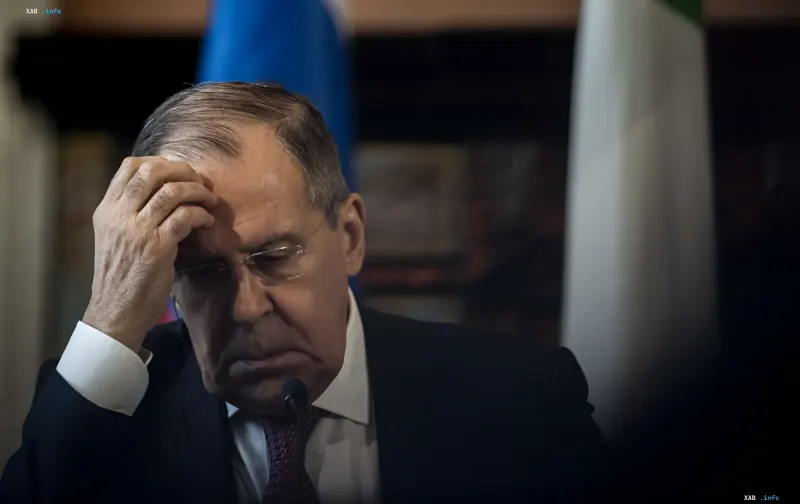
Organizers of the G20 summit in Atlanta have decided to cancel the traditional joint photograph of participants due to a boycott by several delegations. The reason for abandoning the ceremonial snapshot was the categorical refusal of several states to be photographed alongside Russian Foreign Minister Sergei Lavrov. The cancellation of the ritual, intended to demonstrate international unity, vividly exposed deep diplomatic divisions within the Group of Twenty amid current global challenges and geopolitical disputes.
Causes of the Boycott and Diplomatic Disagreements
The decision to abandon the group picture followed sharp protests from Germany and other allies. Western nations openly expressed their unwillingness to participate in staged frames alongside the head of Russian diplomacy. The organizers of the meeting sought to prevent public attention from shifting away from key economic and political discussions toward the scandal surrounding the protocol shoot. Such a démarche served as a powerful signal that European capitals maintain a rigid stance toward Moscow.
Official Statements and Berlin's Position
German Foreign Minister Johann Wadephul openly commented on the situation to journalists in Atlanta, emphasizing the fundamental impossibility of returning to previous formats of interaction. According to him, under current realities, dialogue with Russia cannot be conducted in a "business as usual" mode. The German diplomat noted the necessity of conducting tough negotiations at the official table, yet cautioned colleagues against transmitting false visual signals of perceived agreement and unity of thought.
US Policy Context and Settlement Prospects
This incident also reflects internal tension between the US and its European partners amid attempts by the US administration led to Donald Trump to build communication channels with Moscow for the prompt end of the war in Ukraine. Sergei Lavrov himself has previously repeatedly voiced the Russian side's hardline stance, ruling out an immediate ceasefire for holding presidential elections in Ukraine and declaring further escalation of the conflict. Against this backdrop, any attempts at joint protocol positioning proved blocked by political realities.
Significance of Canceling the Ceremony for the Future Summit
The refusal to take a joint photo at the G20 ministerial meeting records a deep crisis of trust and the breakdown of customary diplomatic protocols. Although the photograph itself is purely ceremonial, its absence clearly demonstrates the impossibility of creating a veneer of diplomatic normalization amid ongoing armed confrontation. Future meetings in the Twenty format will now take place under the sign of a hard demarcation between Western and Russian positions, threatening the development of joint communiques on key global issues.