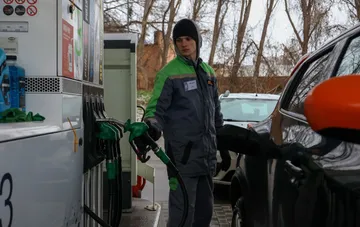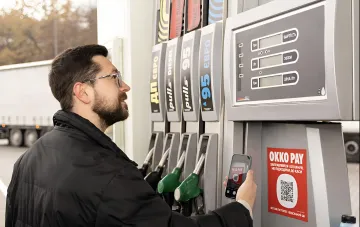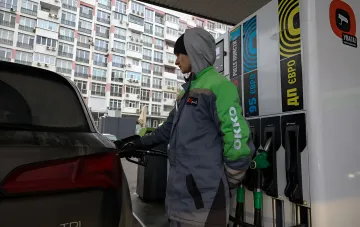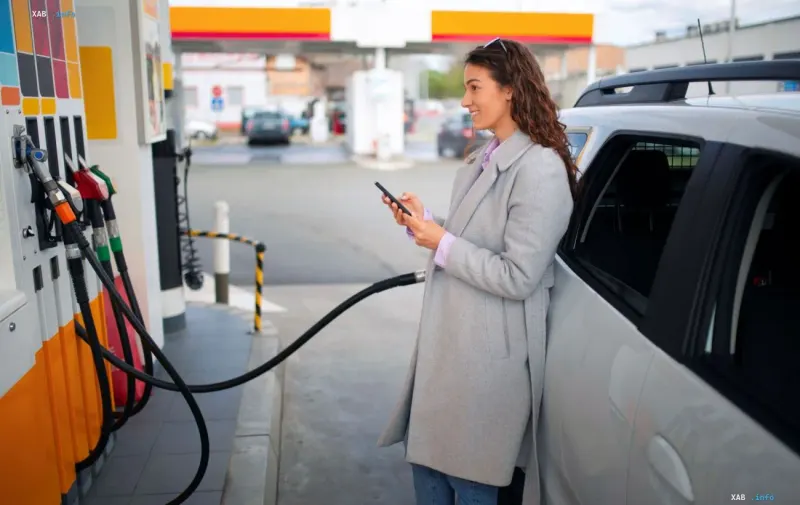
Amid rising fuel prices, an increasing number of drivers are considering the installation of LPG (liquefied petroleum gas) equipment. According to expert estimates, between 25 and 30 percent of passenger cars in the country currently run on propane-butane. Autogas is rising in price more slowly than petrol, and the cost per litre at filling stations remains twice as low, attracting even former skeptics. Nevertheless, converting a car to dual fuel requires preliminary financial calculation, an understanding of technical nuances, and accounting for installation and registration costs.
Operation features and real savings with LPG
Installing the equipment does not mean completely abandoning petrol: the car acquires a secondary fuel system. The kit consists of a gas cylinder, reducer-evaporator, injectors, lines, and an electronic control unit. The cost of such equipment ranges from 400 to 700 euros depending on the vehicle model and configuration. At the same time, direct savings at the pump reach 30–40%, and during periods of seasonal drops in gas prices, it can even hit 50% compared to A-95 petrol.
Payback periods and mileage impact
The financial benefit of switching to propane-butane directly depends on the intensity of vehicle operation. According to real user experience, a quality LPG kit fully pays for itself in about 20,000 to 30,000 kilometers of mileage. For a standard annual mileage of 15,000 to 20,000 kilometers, this indicator takes from one to one and a half years. Taxis, sales representatives, and drivers who regularly cover long distances or suburban routes benefit the most. Meanwhile, for motorists with an annual mileage of less than 8,000 kilometers, the payback period will stretch to three to five years.
Engine condition and market prospects
The widespread myth about the harm of gas to the engine is refuted by practice: running on propane-butane, when properly tuned, is favorable for engine durability. However, certain technical features exist, such as the risk of overheating exhaust valves on specific engine models and the need to regularly check valve thermal clearances. Experts note that due to the heavy reliance on imported petroleum products from Europe, the price proportion where gas costs about half of petrol will persist, keeping investments in LPG economically justified.
Significance of the transition to gas in current conditions
The popularity of LPG equipment reflects the desire of car owners to minimize expenses against the backdrop of an unstable fuel market. Converting vehicles becomes a pragmatic tool to reduce daily costs, provided that components are properly selected and maintenance schedules are followed. In the long term, the development of the LPG market will continue to be supported by the price difference between traditional and alternative fuels.