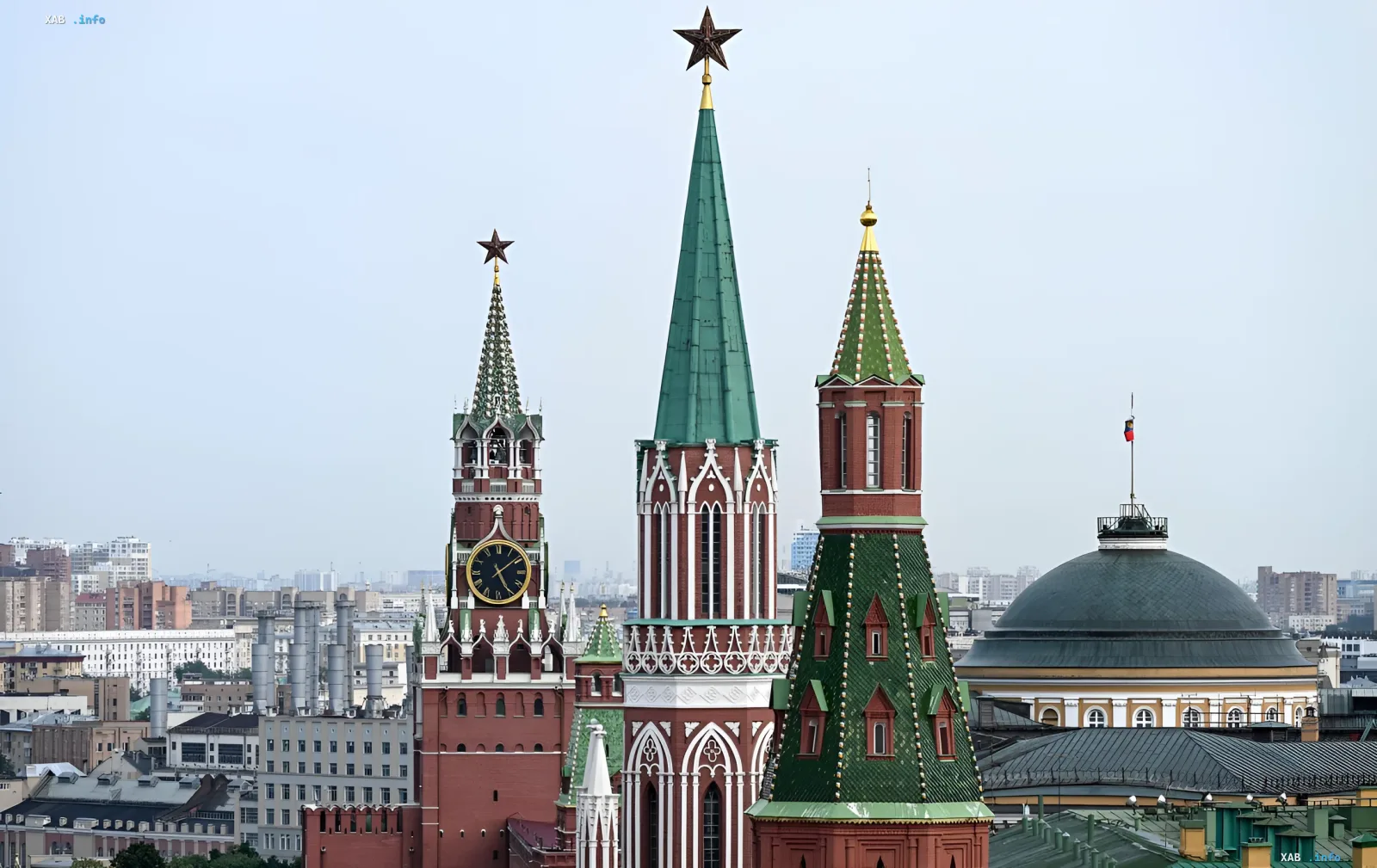
A large-scale logistical operation is unfolding in Russia, aimed at ensuring uninterrupted fuel supply to the capital. Following a series of strikes on oil refineries (ORs), the Kremlin has prioritized fuel deliveries to Moscow, leaving other regions of the country facing shortages.
Redirecting Flows: From Siberia to India
According to industry sources, to stabilize the situation in the Moscow region, Russia has radically changed its logistics scheme. Gasoline supplies have been redirected from the Urals and Siberia, and imports from Belarus have increased. Furthermore, due to a lack of domestic production, Russia has begun purchasing gasoline from India.
One of Reuters' sources reported that fuel is arriving in the capital, in particular, from an oil refinery in Achinsk, Krasnoyarsk Krai. Market participants estimate that additional deliveries to Moscow from other regions amount to several hundred thousand tons.
A Crisis Stretching Over Months
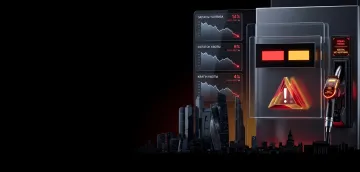
The fuel crisis, to varying degrees, has been felt across all 11 time zones of Russia since May, when Ukraine intensified strikes on oil refineries in an attempt to weaken Russia's military potential. Sources note that in early July, gasoline production in Russia dropped to approximately 65% of the average seasonal consumption level. For several months, domestic production has failed to meet demand.
The situation became particularly difficult following the attack on the Moscow Oil Refinery in mid-June. At that time, queues appeared at gas stations in the capital, and drivers faced an acute shortage of fuel. However, by mid-July, according to traders and witnesses who spoke to Reuters, supplies to Moscow and the Moscow region were stabilized. Gasoline and diesel became available at gas stations in sufficient quantities.
Capital Priority and Regional Problems
Approximately 22 million people live in the Moscow region — more than one-sixth of Russia's population. As Reuters notes, since Soviet times, the capital has traditionally had priority in the supply of goods. This rule is still in effect when resources are limited.
The most difficult situation has arisen in occupied Crimea. There, fuel rationing has been introduced, children's events canceled, and a number of restrictions imposed on public life, including reduced operating hours for shops and cafes.
Economic Context: Beyond the Fuel Shortage
Recall that earlier, the Institute for the Study of War (ISW) reported that Russia's economic problems have already gone far beyond the fuel shortage. Analysts link the worsening situation to record military expenditures, inflation, shrinking reserves, and the consequences of the war against Ukraine.