At the end of August 2026, gasoline production in Russia, according to sources, fell to roughly 70% of the level of domestic consumption. This means the country has effectively ceased to cover its own demand for motor fuel through its domestic refining capacity. The decline came against the backdrop of a series of successful Ukrainian drone strikes on Russian oil refineries, which are the main producers of gasoline. Estimates put production at a critical level matching the peak of the first wave of the fuel crisis in early July — the same peak that had been building since May.
Chain of strikes on refineries: Perm, Nizhny Novgorod, Yaroslavl
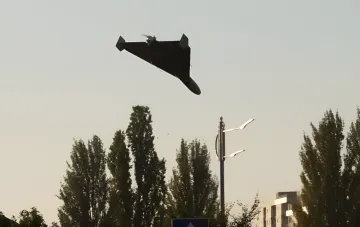
Over the past week, drones struck several major Russian oil refineries. Due to damage to critical units and fires, the plants in Perm, Nizhny Novgorod, and Yaroslavl have fully or partially halted operations. As analysts note, it is precisely these facilities that account for a significant share of gasoline production, so their shutdown immediately affected the "production — consumption" balance across the country. Extensive damage to plant management and processing units turned isolated incidents into a systemic blow to the fuel market.
Queues at gas stations and fuel disappearing from the pumps
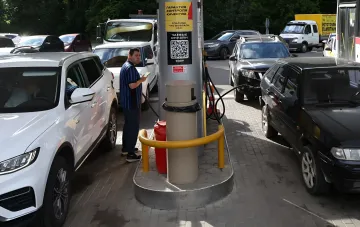
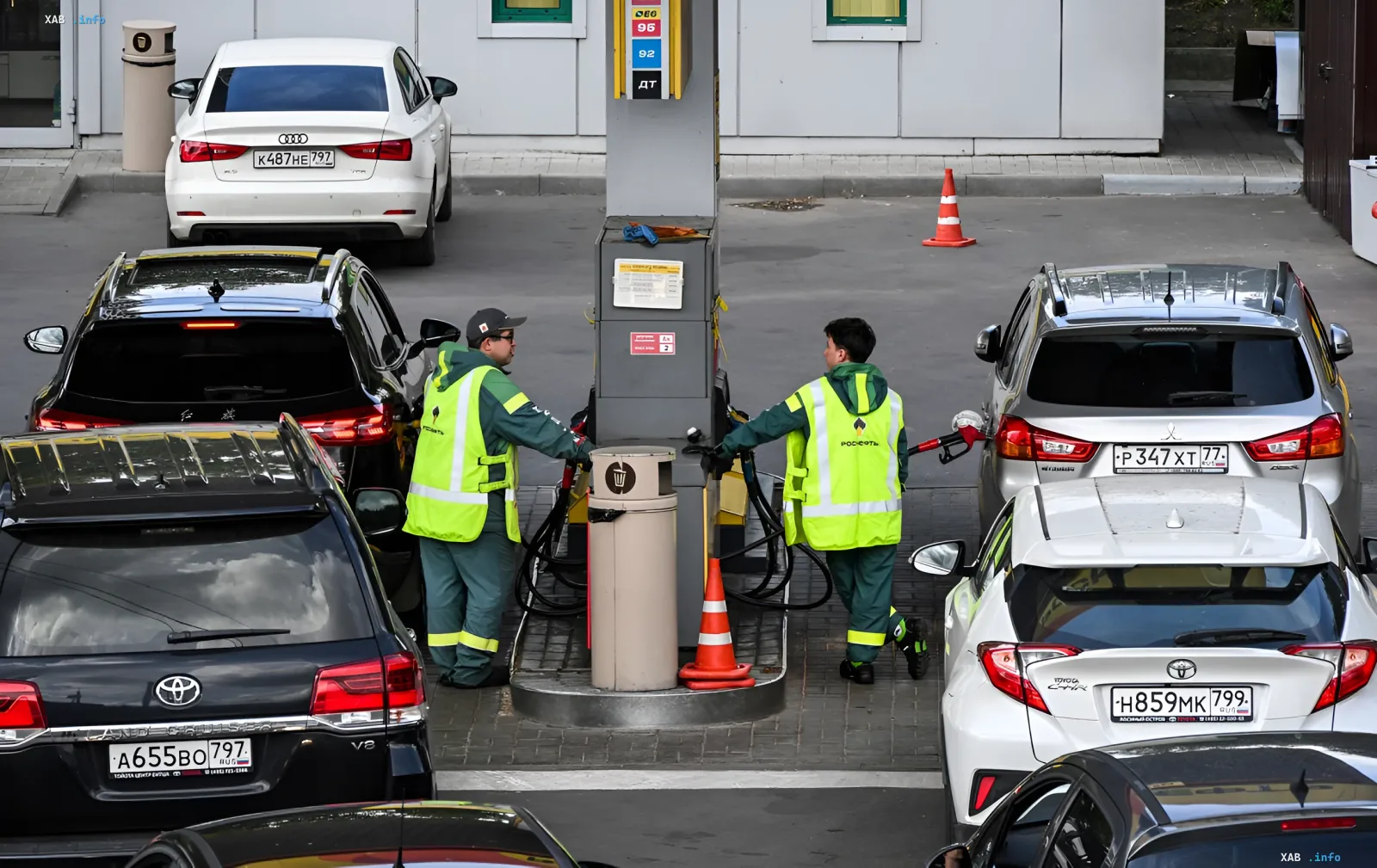
Fuel shortages in Russian regions resumed at the end of August after a brief lull in July, when local authorities had tried to ease sales restrictions. Cars are once again lining up in long queues at gas stations — including in Rostov-on-Don, and reportedly the problem has reached Moscow as well. In many regions, drivers wait for hours to refuel, while at some stations fuel has simply disappeared from sale. Photos from fuel stations show dense streams of vehicles and staff working in an intensified mode, vividly confirming the tension in the fuel market.
Contradictory data
Here it is important to note the discrepancy between the official rhetoric and the actual picture. Throughout the crisis, local authorities have repeatedly claimed that the fuel market is stabilizing and that there is no systemic shortage. However, independent observations and data showing production falling to 70% of consumption, along with mass queues and empty pumps at gas stations, point to the opposite: restrictions and shortages have not been lifted but have returned with renewed force. Thus, the "stabilization" narrative promoted by officials is not supported by refining performance indicators or the situation at the pumps.
Zelensky's comment: an export economy forced to import fuel
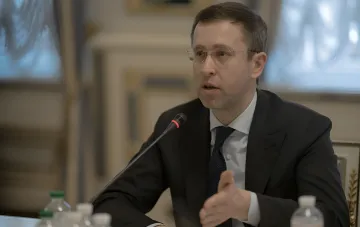
Against the backdrop of the large-scale shortage, Ukrainian President Volodymyr Zelensky publicly commented on Russia's problems with gasoline, drawing attention to an ironic contrast: a country that for years built its economy on exporting energy resources is now, because of its own actions, forced to seek and import fuel. This point underscores the systemic nature of the crisis: the Russian economy has come under serious pressure as a result of its own aggression against Ukraine, which has led to sustained, rather than one-off, strikes on the oil refining infrastructure. The result is a domestic market that cannot be supplied by its own production, and a growing dependence on external supplies under conditions where logistics and sanctions further complicate imports.