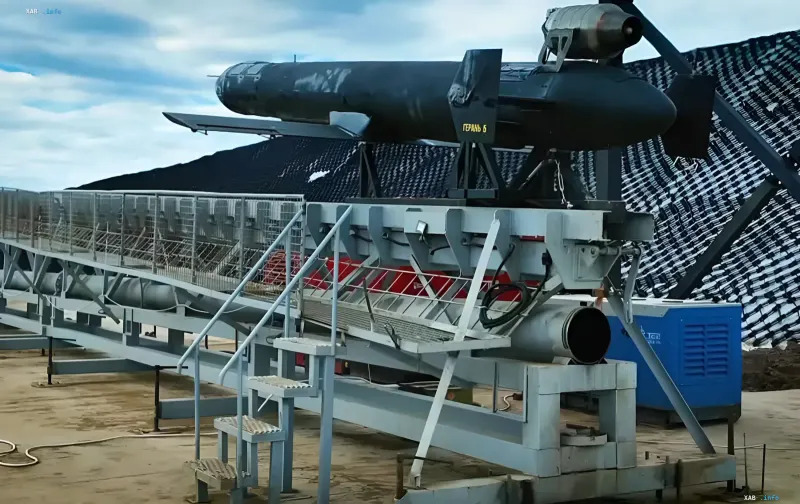
In Russia's Rostov region, near the Millerovo military airfield, Russia has built a large infrastructure for massive strike drone launches in a matter of months. This is reported by RBC-Ukraine, citing a Business Insider investigation based on the analysis of Planet Labs and Vantor satellite imagery. According to American experts, the facility is intended for the operation of Geran-5 jet drones—models that significantly outperform previous generations in speed and create an additional burden on Ukraine's air defense system.
Chronology According to Satellite Imagery
Comparative analysis of space photographs records striking construction dynamics. On August 8, 2026, the field near the Millerovo airfield was virtually empty. By September 12, access roads had been laid out in the same area, and land had been cleared for launchers and auxiliary buildings. By October 12, satellites recorded storage facilities and outbuildings, and as of October 27, there were at least eight equipped positions at the site. Analyst Brady Africk notes that at the time of the latest image, part of the infrastructure and ammunition depots were still under construction, and the catapult rails were not fully installed.
Catapults for Jet Drones
According to senior research fellow Spencer Faragasso, a key indicator of the facility's purpose is two elongated drone launch catapults installed at the edge of the site. It is these that allow the jet drone to accelerate to cruising speed without the need for a long runway. Experts emphasize that the Geran-5 is much faster than previous models, making it harder for Ukrainian interceptor drones to intercept them and shortening air defense reaction times. According to analyst estimates, upon completion of all work, the base will be able to provide up to 100 launches per day.
Standardized Attack Network
American researchers interpret the facility near Millerovo as part of a broader strategy: the Kremlin is demonstrating its ability to rapidly create standardized infrastructure for massive strikes and likely intends to expand the network of similar bases. "What is concerning here is that Russia was able to build this facility in such a short time. If one base is attacked and destroyed with cruise or ballistic missiles, another one can probably be built quickly," Faragasso emphasized. Thus, even if one position is successfully targeted, the adversary retains the ability to rapidly restore launch capabilities at another site.
Context: Effectiveness of Ukrainian Air Defense
Russian jet drones are capable of reaching even the western regions of Ukraine; their range is determined by technical characteristics, fuel reserves, and onboard equipment. Against this backdrop, Ukraine's air defense system is gradually increasing interception efficiency: according to current data, the average destruction rate for Geran-4 type drones is about 60%. The emergence of faster Geran-5s and the growth of daily launch rates to hundreds of units pose the defense with the task of further adapting tactics and increasing the number of interceptors.