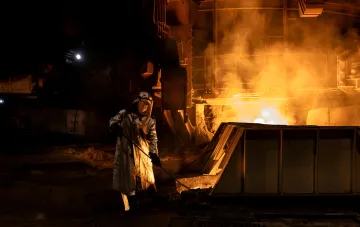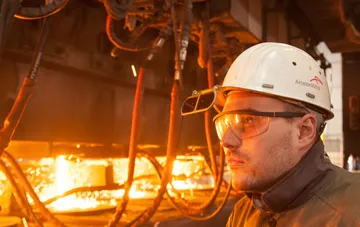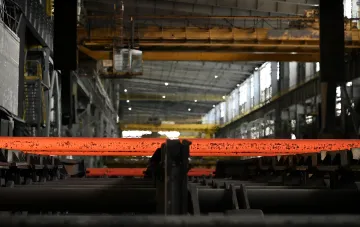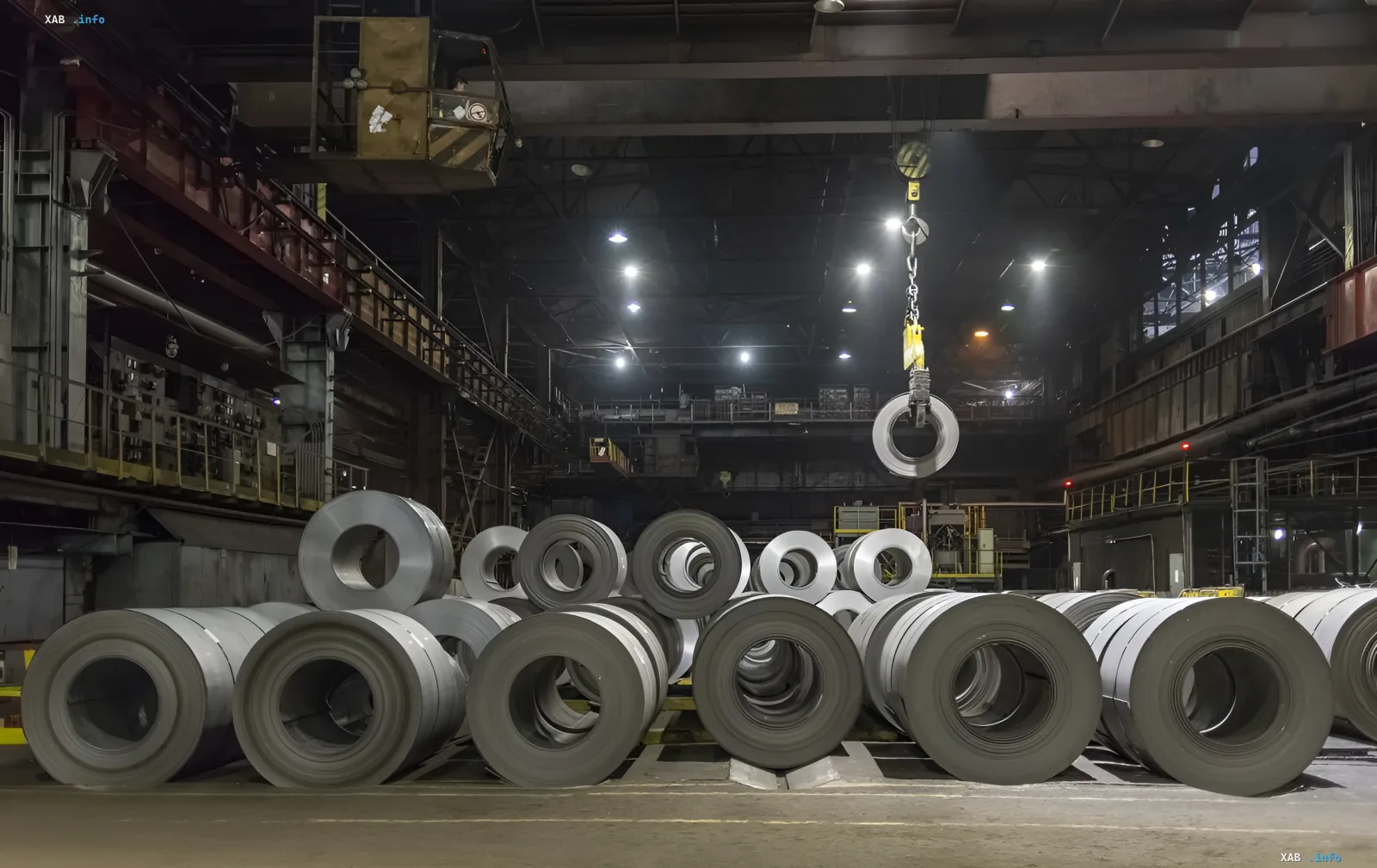
The Ukrainian metallurgy industry found itself on the brink of a complete shutdown in October 2026, demonstrating a catastrophic drop in production volumes. According to analysts at GMK Center, the country produced only 130 thousand tons of steel in September — 79% less than in the same period last year, and output may approach zero in October. Experts emphasize that improving security conditions alone is critically insufficient for the recovery of industrial enterprises; guaranteed access to external sales markets remains a vital factor.
The Role of the European Market and Trade Barriers
In recent years, the European Union has effectively become the main market for Ukrainian metallurgical products, accounting for up to 50% of production volumes as of July 2026. However, strict EU import quotas for steel and the implementation of the Carbon Border Adjustment Mechanism (CBAM) have significantly worsened the competitive conditions for Ukrainian plants. Already in July, steel production decreased by 35% compared to the previous month. GMK Center's chief analyst, Andrii Tarasenko, notes that a significant portion of metallurgical capacities would have been shut down for purely economic reasons even without Russian shelling and energy crises.
Investment Risks and Domestic Demand Deficit
The restart of blast furnaces and electric arc furnaces requires massive capital investments from investors and creditors. Financing repairs is impossible without a clear understanding of where products can be sold over the next 12–24 months. The domestic market cannot solve this problem on its own: in the first half of 2026, Ukrainian enterprises supplied only 1.1 million tons of metal products domestically, which provides approximately 25% of capacity utilization. At the same time, the technological minimum utilization for converters and coke oven batteries is much higher, and falling below it leads to a sharp increase in production costs.
Loss of Personnel and Export Revenue
A prolonged downtime of metallurgical giants threatens not only colossal financial losses but also the irreversible loss of qualified personnel, making it extremely difficult to bring thousands of specialists back after the war ends. In addition, a huge share of export revenue is at risk: in 2025, exports of pig iron and steel brought Ukraine 3.7 billion dollars. GMK Center insists on the need for a special approach from Brussels that takes into account Ukraine's status as an EU candidate country and the massive losses from military actions, making the application of standard trade restrictions economically unjustified.
Contradictory Data
While GMK Center analysts and steel industry management focus on the devastating impact of European quotas and the CBAM carbon tax amid a deep crisis, official representatives of European institutions and associations, such as EUROFER, point out the necessity of complying with general environmental decarbonization standards for all trading partners without exception. According to the European side, strict limits are designed to stimulate the green transformation of industry; however, Ukrainian experts insist that applying identical stringent requirements to countries where plants operate under daily shellings contradicts the principles of fair integration.