First images of devices named Googlebook have appeared online — a new line of gadgets designed to replace outdated Chromebooks. According to leaks, the debut of new products from Lenovo and other Google partners is expected as early as this autumn. This event marks a fundamental shift in the search giant's strategy.
Design and Device Lineup
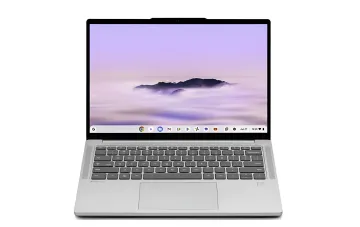
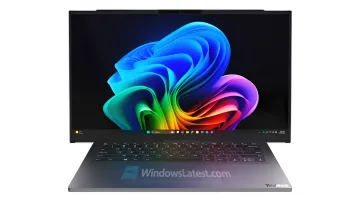
Leaked renders showcase three gadgets from Lenovo that form the foundation of the new platform. The series will include a classic laptop in two sizes, visually reminiscent of the Chromebook Plus 14, as well as a 2-in-1 transformer. The latter resembles the IdeaPad Pro Gen 2, offering a stand and a detachable keyboard. It is likely that the Googlebook ecosystem will include not only traditional laptops but also tablet PCs.
All presented models are finished in a strict white color and feature various combinations of USB-C and USB-A ports. However, the main visual distinction of the new platform is the Glowbar LED strip. This element is integrated into the external chassis panel and the camera module of the tablets.
Glowbar will become a signature feature of the new ecosystem. Similar lighting solutions are also expected in the upcoming Google Pixel 11 smartphone series, indicating the company's desire to unify the visual language of its devices.
New OS and Abandoning ChromeOS
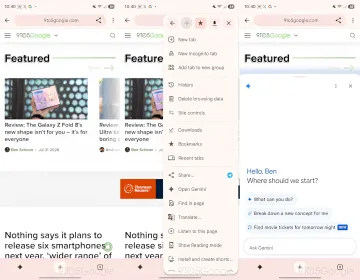
The main difference between Googlebook and its predecessors lies "under the hood." The new platform completely abandons the old ChromeOS operating system. Instead, the devices will receive an OS based on Android with deep integration of the Gemini artificial intelligence.
The system will support special smart control functions designed to simplify interaction with content. In particular, a tool called Magic Pointer is presented. It allows users to invoke contextual AI hints by quickly shaking the mouse cursor or using voice commands.
The official release of the first wave of Googlebook devices from partner brands is scheduled for autumn. This event could radically change the market for affordable laptops, combining Android mobility with desktop capabilities.