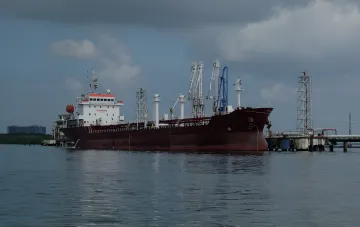
August 9, 2026. The situation in northern Greenland has escalated into an acute diplomatic crisis. The American company Greenland Energy, closely linked to the circle of US President Donald Trump, has effectively begun preparations for exploratory drilling in the Jameson Land area, despite the lack of official permission from the autonomy's authorities. Part of the equipment has already been delivered to the island's east coast, triggering a sharp reaction from Nuuk. Greenlandic authorities have made it clear: ignoring their legislation will not go unpunished.
Logistical Breakthrough and Diplomatic Scandal
According to the latest data, the company has already transported a significant portion of drilling equipment to the island. This action triggered an official statement from the Government of Greenland, which called the situation a "strong warning." Authorities emphasized that no permission was granted for either the landing of equipment or the commencement of work. "All future logistical issues must be coordinated and approved by the Mineral Resources Authority for implementation," the government stated, pointing to a violation of the autonomy's sovereignty.
Representatives of Greenland Energy, in turn, insist that their actions are preliminary in nature and aimed at preparing for future work, which they hope will be approved. The license application is under review, but the actual presence of machinery on the ground creates a precedent that could be interpreted as an attempt to create "facts on the ground" before receiving legal confirmation.
Trillion-Dollar Ambitions and Environmental Risks
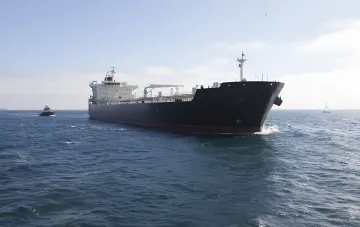
The management of Greenland Energy justifies its ambitious plans with economic prospects. According to the company's estimates, oil reserves worth approximately $1 trillion may lie beneath the territory of Jameson Land. To implement the first phase—exploratory drilling of two wells—investors are ready to allocate $60 million. Initially, one well is planned to be drilled, and a ship with approximately 300 containers of equipment is scheduled to depart from Canada on September 12.
However, these plans are in direct contradiction with Greenland's environmental policy. In 2021, the autonomy completely stopped issuing new oil licenses due to growing climate change risks and the threat of glacier melting. Furthermore, according to The Guardian, the planned drilling sites may be within a protected area safeguarded by the Ramsar Convention on Wetlands. This puts the project's international image at risk and could lead to sanctions from environmental organizations.
Political Context: From Annexation to Energy
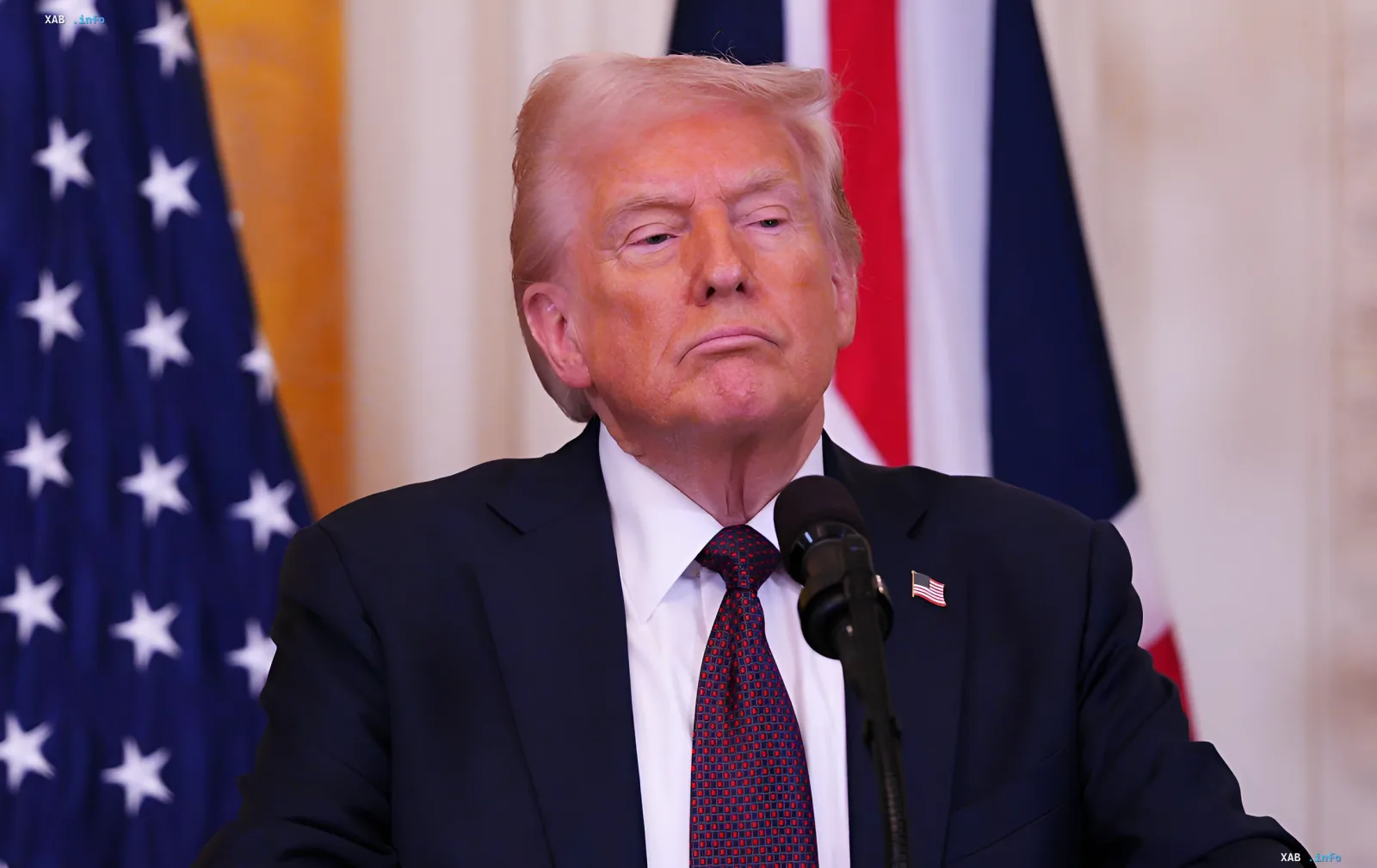
This conflict cannot be viewed in isolation from the geopolitical ambitions of the Trump administration. A US Navy veteran working on the Golden Dome missile defense system has joined the company's board of directors, and Phil McGraw (Dr. Phil), who previously worked in Trump's Commission on Religious Freedom, was involved in the project. The US President himself previously stated that control over Greenland is "vital" for the US, which sparked a stormy reaction in Europe.
Greenland Energy CEO Larry Swets publicly stated that the oil project is not linked to US plans to annex Greenland. However, against the backdrop of recent events, where Trump's threats regarding the island were interpreted in Europe as an intention to use military force, any action by an American company is viewed through the prism of geopolitics. Europe continues to pressure Washington to prevent any steps that could be perceived as a violation of the autonomy's territorial integrity.
Contradictory Data
In the current situation, there is a clear divergence in the interpretation of facts between the parties to the conflict. On the one hand, the Government of Greenland states that a demand to immediately remove the already delivered equipment would be "disproportionate," which can be interpreted as an attempt to avoid escalation and save face. On the other hand, corporate documents indicate that the American company must obtain a controlling stake in the project in exchange for financing, but it still needs government permission to begin drilling.
Furthermore, there is a discrepancy regarding the status of rights to the territory. The British company 80 Mile previously obtained exploration rights in Jameson Land, creating a legal collision: how does Greenland Energy plan to operate in an area where another licensee already exists, and how does this relate to the moratorium on new licenses introduced in 2021? For now, the answer to this question remains open, fueling speculation that legal mechanisms here are secondary to political will.