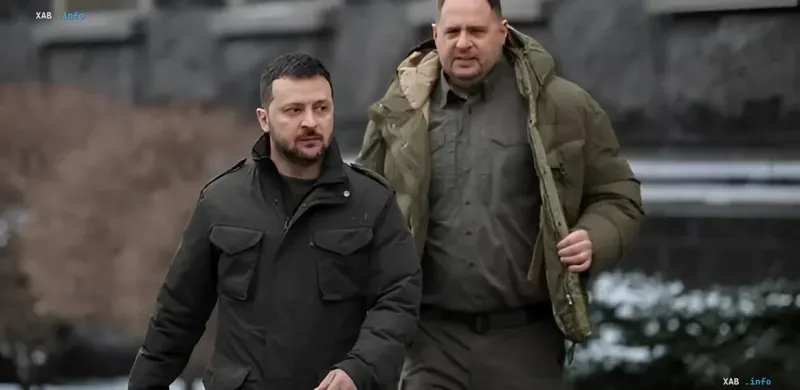
On August 10, 2026, the High Anti-Corruption Court (HAC) made significant changes to the detention conditions of the former Head of the Office of the President of Ukraine, Andriy Yermak. The judge granted the defense's request and expanded the suspect's travel geography, allowing him to visit frontline and de-occupied regions. This decision was made possible thanks to official appeals from commanders of several military units who requested the former official's personal participation in a legal project for servicemen.
Expanding boundaries: from Kyiv to the frontline zone
Until today, the preventive measure for Andriy Yermak implied strict travel restrictions: he was required to stay exclusively in Kyiv and the Kyiv region. However, the decision of August 10, 2026, radically changed this regime. According to the ruling, Yermak is allowed to move freely within seven regions, including Dnipropetrovsk, Donetsk, Zaporizhzhia, Mykolaiv, Sumy, Kharkiv, and Kherson. The court also granted the right of transit through other regions of the country.
It is important to note that a complete lifting of restrictions did not occur. The court refused the lawyers' request to remove the electronic bracelet. Yermak is obliged to continue wearing the tracking device, which allows law enforcement agencies to monitor his location in real-time, even when he is in zones of active combat operations.
The role of military commanders and the legal project
The key factor influencing the judge's decision was official letters from commanders of various Armed Forces of Ukraine units. These documents were submitted to the National Anti-Corruption Bureau (NABU) and the Specialized Anti-Corruption Prosecutor's Office (SAP). In them, commanders stated the necessity of Yermak's participation in a large-scale volunteer and legal project aimed at providing legal assistance to Ukrainian servicemen directly in the regions.
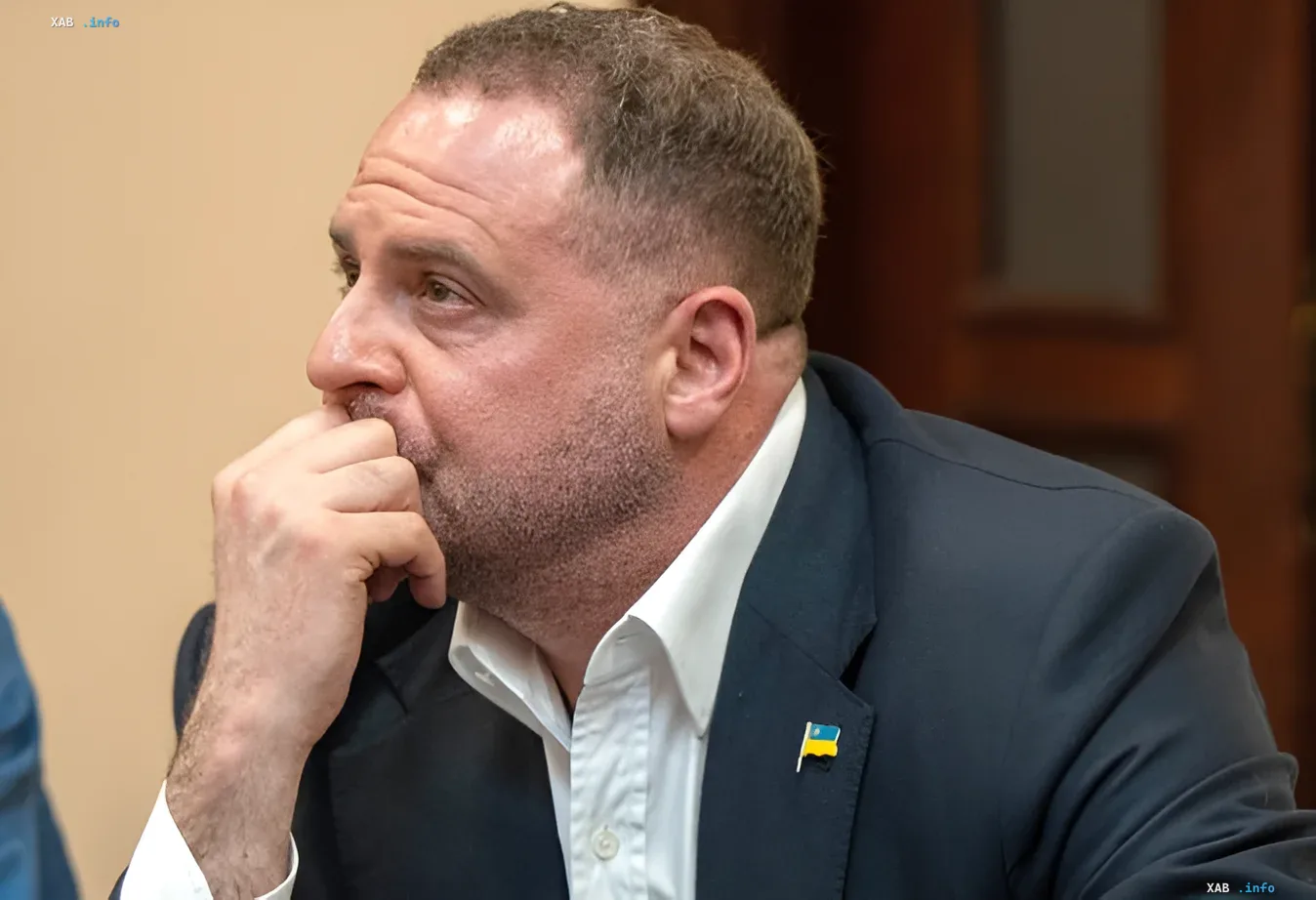
Lawyers argued that the former Head of the Office of the President does not just oversee the project but personally participates in its implementation, which requires physical presence on the ground. Despite this, the Specialized Anti-Corruption Prosecutor's Office spoke out categorically against easing the conditions. Prosecutors argued that the status of project manager does not require Yermak's mandatory personal presence at the front, and his functions can be performed remotely.
The essence of the case: accusations of money laundering
The criminal proceedings against Andriy Yermak are not related to treason or corruption in the sphere of defense contracts. According to the investigation by NABU and SAP, the former official is suspected of laundering (money laundering) proceeds obtained through criminal activity. According to the investigation, violations took place during the large-scale construction of an elite private residential area near Kyiv. Some materials mention the name of the cooperative "Dinasty".
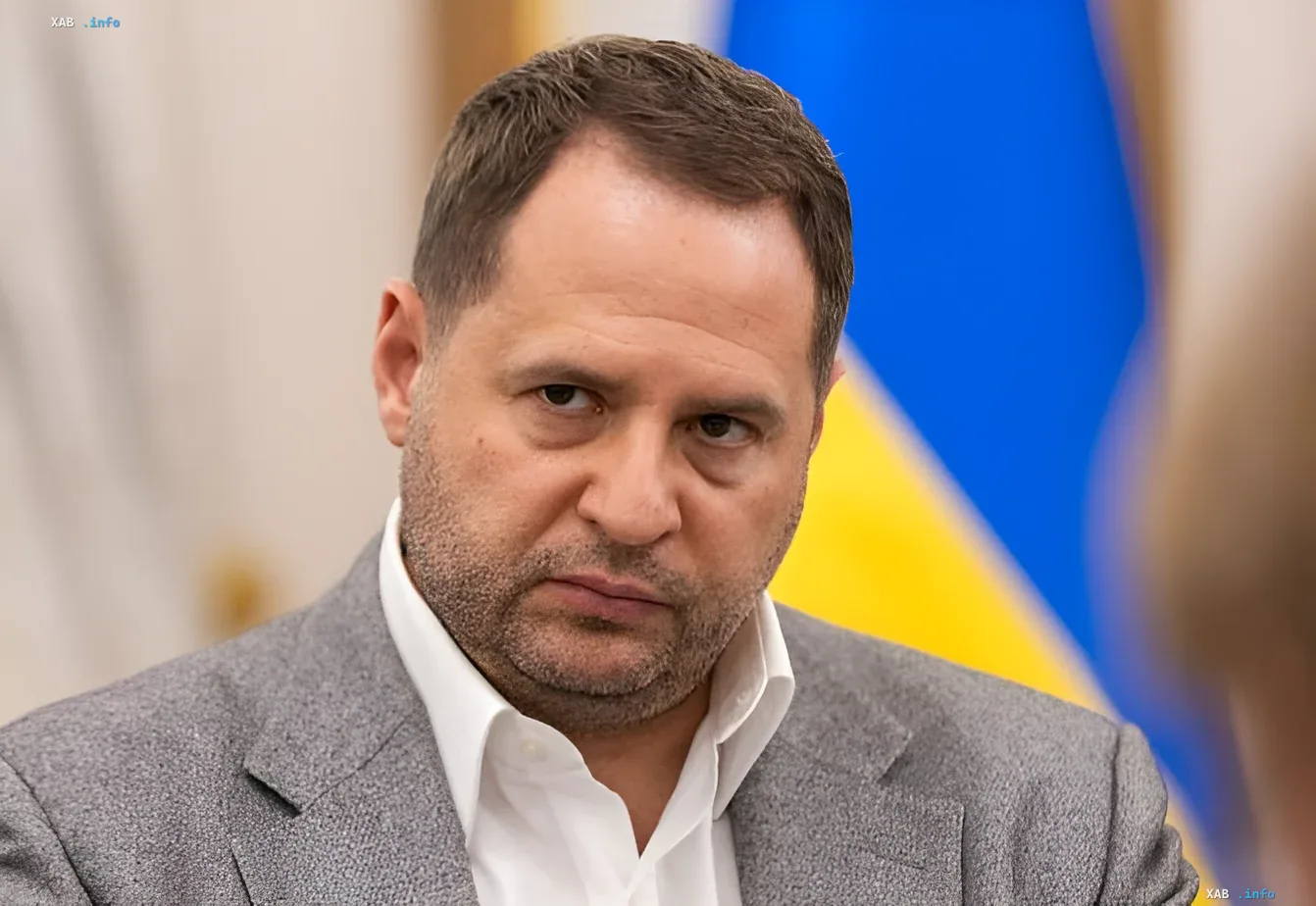
The chronology of restrictions began in May 2026, when the HAC selected a preventive measure for Yermak in the form of detention with a record bail of 140 million hryvnias. A few days later, the necessary amount was deposited by his friends, after which Yermak left the pre-trial detention center under personal obligations, house arrest within the boundaries of the capital region, and wearing a bracelet.
Contradictory data
There are two points of view in the public resonance around this decision. On the one hand, the defense and military commanders insist on the importance of Yermak's personal participation in helping the front, which, in their opinion, justifies the expansion of travel geography. On the other hand, the prosecution and part of the public believe that the status of project manager does not require physical presence on the ground, and this decision may be perceived as a privilege for high-ranking officials.
In the Ukrainian segment of social networks, the court's decision caused a storm of jokes, memes, and criticism. Many users and military bloggers are ironic about how quickly defendants among top officials find "commanders" ready to argue their movements across the country before judges. However, official comments from the departments remain restrained, and the question of the legality of actions is within the competence of the court.