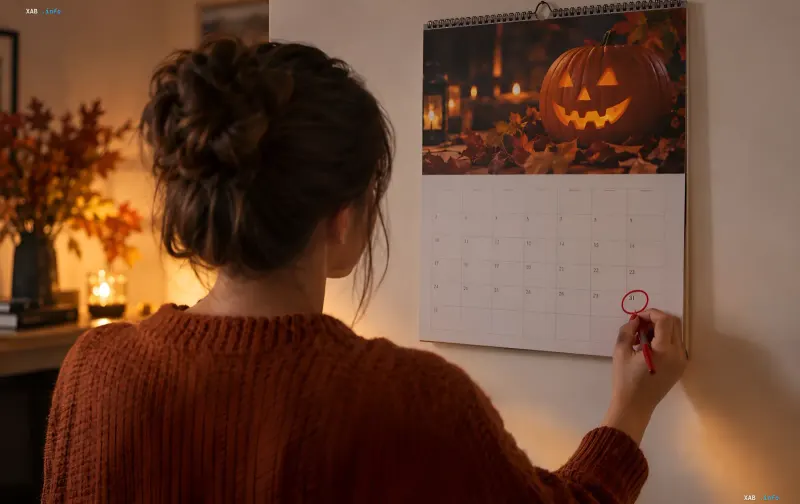
In late October, the world traditionally prepares for one of the most vibrant and mystical autumn holidays. Halloween in its modern form is a unique blend of ancient Celtic beliefs, Christian traditions, and the rich culture of Ireland and Scotland. In 2026, this popular holiday falls on Saturday, October 31, opening an eventful weekend for fans of themed costumed events and cultural gatherings.
Historical Roots and Connection to Samhain
The origins of the holiday go back centuries and are closely linked to the ancient Celtic festival of Samhain. According to historical data and research by the National Geographic Society, Samhain marked the end of the harvest season and the transition from the light half of the year to the dark and cold winter. Celts believed that on the night bridging October and November, the boundaries between the worlds of the living and the dead blurred. However, researchers emphasize that Samhain was not a direct equivalent of modern Halloween, but rather served as a foundational cultural layer that shaped future traditions.Christian Transformation and the Origin of the Name
A significant contribution to the evolution of the holiday was made by the Christian calendar. In the 7th century, Pope Boniface IV established All Saints' Day, and in the following century, Pope Gregory III moved the official celebration to November 1. The evening before this day came to be called All Hallows' Eve, which eventually contracted into the familiar word Halloween. Thus, religious tradition laid the groundwork for the holiday's name while combining it with ancient seasonal rituals of thanking nature.Popularization in the New World and Modern Times
The true global breakthrough of Halloween began in the 19th century when millions of Irish and European immigrants traveled to the United States fleeing economic hardships. It was in the US that folk customs mixed with local culture, acquiring a vibrant secular character, costume parades, and the tradition of trick-or-treating. Throughout the 20th century, this American format triumphantly returned to Europe and spread worldwide. Today in Ukraine and other countries, Halloween is perceived primarily as an exciting youth event, an evening of pop culture, and themed entertainment.Controversial Data
Historians and ethnographers still debate the degree of continuity between pagan Samhain and modern Halloween. Some researchers insist on a direct genetic link between the rituals, pointing to the unchanging elements of masquerade and fire. At the same time, skeptics note that most attributes of the holiday, including modern costumes and pumpkin lanterns, formed relatively recently under the influence of 19th-20th century American mass culture and have little in common with authentic archaeological evidence from ancient Celts.