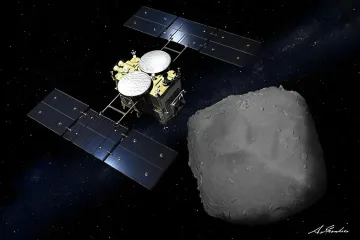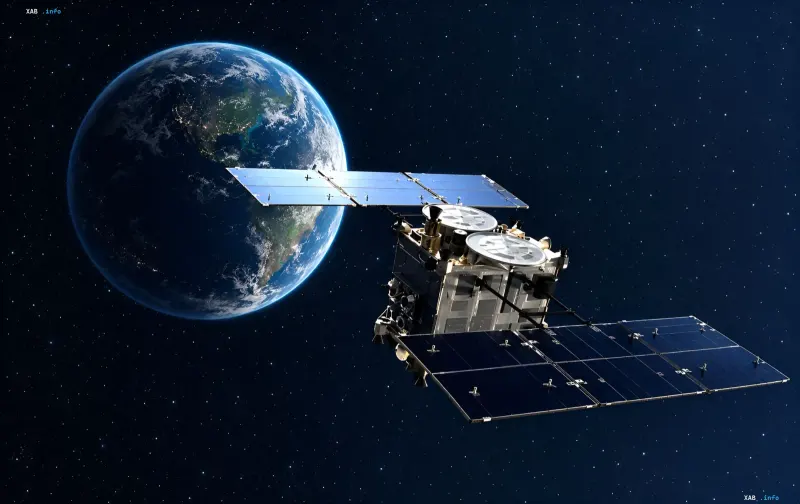
The Japanese space agency JAXA has revised the plan for the Hayabusa-2 extended mission: the spacecraft will not be able to reach asteroid 1998 KY26, which it was scheduled to explore in 2031. The reason is repeated failures of the main thrusters, which led the mission team to choose a safer and more realistic route. Now, in 2028, the probe will fly past another near-Earth asteroid — 2015 BM510.
Repeated engine malfunctions were the cause
It has been 12 years since the probe's launch, and the degradation of onboard systems is becoming increasingly noticeable. According to extended mission manager Yuya Mimasu, it was the repeated malfunctions of the main engines that forced the team to abandon the original plan. Instead of a risky maneuver to a distant object, experts chose a trajectory that the craft is capable of performing within its remaining fuel and technical limits.
Record close approach in July and abandonment of the initial target
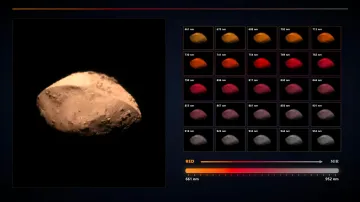
In July, the probe performed a record-breaking close approach to a near-Earth asteroid at a distance of just 400 meters, which became one of the closest passes for a spacecraft of this class. The next target under the old plan was to be asteroid 1998 KY26, which in 2031 would be approximately 300 million kilometers from Earth. However, the limited engine resources made reaching this object impossible, and specialists moved to a closer target.
New route: flyby of 2015 BM510 in April 2028
A high-speed flyby of asteroid 2015 BM510 is scheduled for April 2028. The new target has a diameter of between 17 and 74 meters and rotates on its axis every 49 minutes. Mimasu called the upcoming flyby "one of the most difficult in the world" due to the small size of the space body and its dark surface, which complicate navigation and data acquisition.
Significance of the operation for planetary defense
Despite the change of target, the data and experience from this operation will be useful for future planetary defense projects. The results obtained will assist in tasks related to deflecting dangerous asteroids capable of colliding with Earth and will serve as a foundation for developing planetary protection technologies.