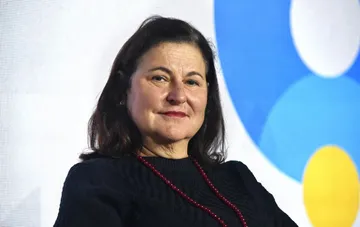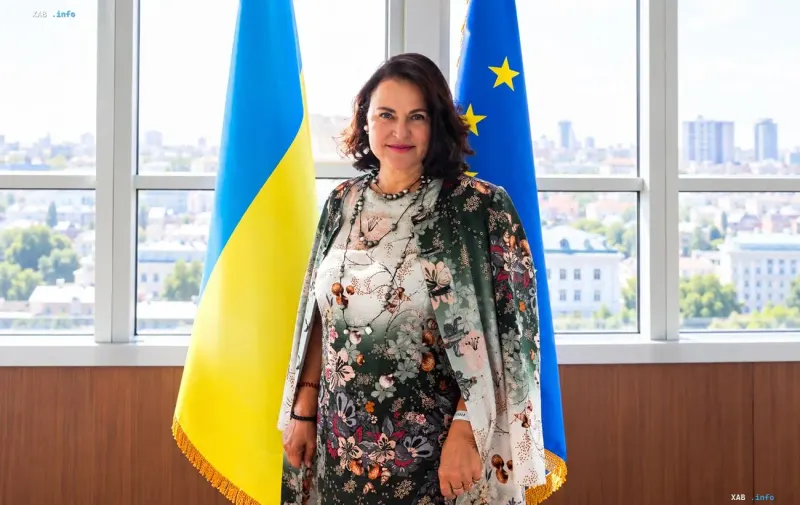
Katarína Mathernová, Head of the EU Delegation to Ukraine, published an exclusive column for RBC-Ukraine strongly criticizing Russian rhetoric about peace amid ongoing daily shelling and civilian casualties. The diplomat emphasized that the European Union remains in Kyiv and continues to provide comprehensive support based on four unchanging principles of long-term security and recovery.
The Reality of Shelling and Diplomatic Maneuvers
According to Mathernová, peace cannot be reduced to declarations and requires genuine commitments from both sides, which Moscow has yet to demonstrate. The talks in Oslo on October 20 and the visit of US negotiators to St. Petersburg on October 21 yielded no concrete results, save for cautious statements by Presidential Aide Yury Ushakov regarding the possible resumption of trilateral talks. Meanwhile, Kremlin Spokesperson Dmitry Peskov openly stated that Moscow seeks not a ceasefire, but a lasting peace on its own terms.
Russian forces continue regular attacks on Ukrainian cities, damaging critical infrastructure, hospitals, and residential buildings. According to UN data from October 20, in just one week, over 100 civilians were killed and at least 429 injured across the country, including five children in Pryluky. Since the beginning of the full-scale invasion, over 15,000 civilian deaths have been verified, with the real toll significantly higher as cold weather approaches.
Four Principles of European Union Support
In response to ongoing aggression, EU leaders at last week's summit reaffirmed their unwavering support for Ukraine, anchored in clear guidelines. The first principle states that any ceasefire must be clear, reciprocal, and verifiable, avoiding unilateral concessions without genuine implementation guarantees. The second principle concerns sanctions pressure, aimed at altering the Kremlin's strategic calculations and depriving the aggressor of resources to fund the war.
The third key element is strengthening Ukraine's defense capabilities to protect its territory and infrastructure. On October 14, the European Commission disbursed another 2.86 billion euros from the 90 billion euro Ukraine Support Loan package, which includes 60 billion euros for defense needs and 30 billion euros for budget support for 2026-2027. The fourth principle covers countering hybrid threats, sabotage, cyberattacks, and disinformation actively used by Moscow against European countries.
Winter Preparation and Energy Security
Special attention in the column is given to Ukraine's preparation for the heating season amid massive strikes on the energy grid. The EU has mobilized a special winter package worth nearly 1 billion euro aimed at infrastructure repairs, supplying critical equipment, generators, and supporting renewable energy. Integrating Ukraine into the European grid also plays a vital role in maintaining stable power supplies for Ukrainian cities.
Significance of the European Strategy for the Future
The European Union's stance demonstrates that the security of Ukraine and Europe is indivisible, and Kremlin attempts to intimidate diplomats or break the civilian population's will have failed. European institutions and member states remain at the epicenter of events, ensuring not only humanitarian and financial aid but also systemic transformation to achieve a lasting peace. Further pressure on the aggressor and strengthening the Ukrainian state will remain top priorities on the international agenda.