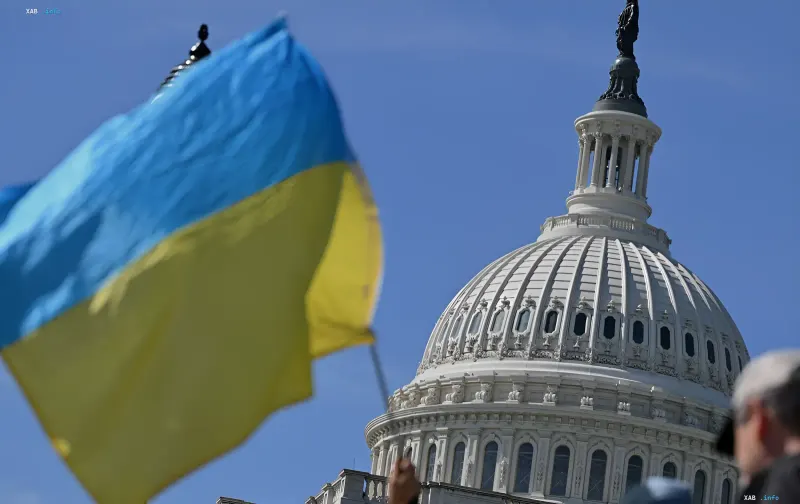
In Washington, an unprecedented legislative movement is gaining momentum, aimed at strict economic containment of Russia and Iran. The Lindsey O. Graham Sanctioning Russia and Iran Act of 2026, previously approved by the US Senate, has officially been introduced in the House of Representatives. This step marks a critical phase in the process of turning the document into a federal law that could radically change the economic reality for Moscow and its allies.
Political Consensus and the Path to Signature
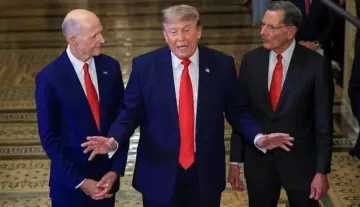
The uniqueness of the current situation lies in the rare bipartisan unity in modern American politics. In early August, the Senate voted for the document almost unanimously — 86 votes "for" against 11 "against". Now that the text has moved to the lower house, experts assess the chances of its final adoption as extremely high. The bill was introduced by Congressman Brian Fitzpatrick, co-chair of the Ukrainian Caucus, and has the support of influential figures from both parties, including Democratic Minority Leader Steny Hoyer and Republican Michael McCaul.
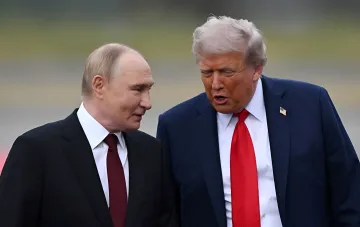
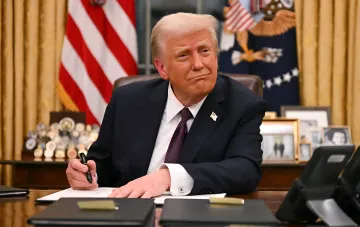
A key factor accelerating the process is the identity of the text introduced in the House of Representatives with the version passed by the Senate. This eliminates the need for lengthy conference committees. As soon as the House of Representatives votes "for", the document will immediately go to President Donald Trump for signature. The vote is expected to take place in the near future, given the broad support among more than 15 co-sponsoring congressmen.
Mechanics of "Hellish Sanctions" and Economic Blow
The new law provides for unprecedented measures of economic pressure. The document introduces a ban on new American investments in Russia and the purchase of Russian sovereign debt. Special attention is paid to the financial sector: the largest Russian banks, as well as the so-called "shadow fleet" used to transport oil around existing restrictions, are under attack.
The most resonant measure is the introduction of tariffs. The bill allows for the imposition of duties of up to 500% on goods of Russian origin. In addition, sanctions of up to 100% are introduced for countries that actively buy Russian energy carriers or help Moscow bypass international restrictions. The document also extends the validity of the Iran Sanctions Act until 2031, cementing the course on the isolation of Tehran.
Conditions for Lifting Restrictions: A Peace Ultimatum
The text of the bill sets out strict conditions for the possible lifting of sanctions in the future. Restrictions will remain in place until Russia signs a peace agreement acceptable to the Ukrainian government. In addition, Moscow must completely cease hostilities and any attempts to overthrow or destabilize Ukrainian authorities. This provision effectively turns the law into a tool of coercion to a diplomatic resolution of the conflict on Kyiv's terms.
Contradictory Data
Although the bill passed the Senate, there are differences in assessments of its potential impact and the timing of its entry into force. On the one hand, official sources and the authors of the document state that the sanctions will come into force immediately after the President's signature. On the other hand, Ukrainian authorities and analysts are discussing information about the preparation of another, tougher package of sanctions, which could be introduced as early as September 2026. Some experts believe that this future package could be stricter than the current EU restrictions, however, the exact details and mechanisms of this second stage are not yet disclosed, creating a certain uncertainty in forecasts of economic pressure.