The US House of Representatives has taken another procedural step toward considering a bill on new sanctions against Russia and Iran. As reported by RBC-Ukraine, citing a post by Radio Free Europe's Washington correspondent Alex Raufoglu on X, the final vote on the document could take place as early as September 16. Thus, the initiative, which has already passed the upper chamber, is now moving toward possible approval by the lower chamber and subsequent referral to the head of state for signature.
Procedural Step in the House of Representatives
The lower chamber's Rules Committee approved the procedure for considering the document on September 14 by a vote of nine to three. Procedural debates are set to begin on September 15, and the vote on the rules of consideration is expected at approximately 20:30 Kyiv time. If these rules are approved, the final vote on the bill itself could take place the very next day — September 16. In this way, the key window for adopting the document in the lower chamber shrinks to just two days.
What the Bill Provides For
The document provides for the possibility of the US president imposing tariffs of up to 100% on the largest buyers of Russian oil and gas, in particular China and India. In addition, the bill envisages sanctions against Russian oligarchs, officials, military personnel and members of their families, as well as against financial institutions, energy projects and vessels linked to the so-called shadow fleet. In essence, the initiative combines a tariff pressure tool aimed at importers of Russian energy carriers with targeted restrictions against specific individuals, structures and assets.
The Senate's Position and the Path to Signature
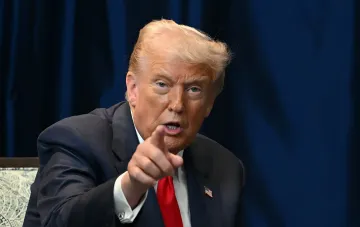
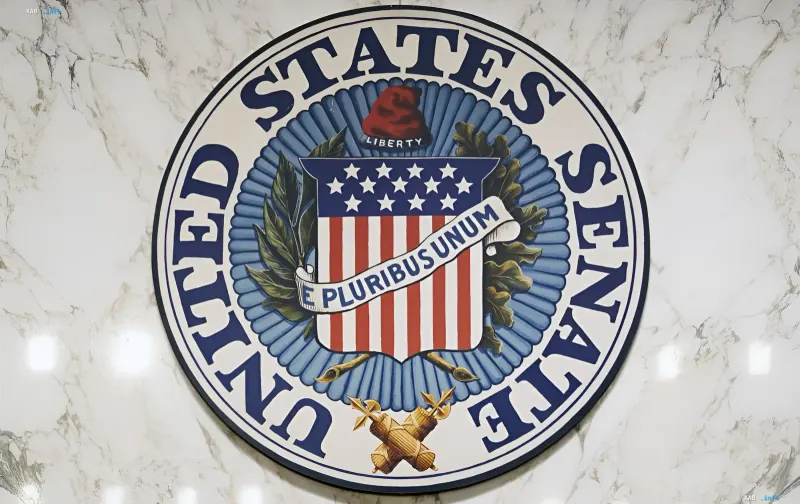
The US Senate has already backed the bill: in August, the document received 86 votes in favor and 11 against. If the House of Representatives also approves the initiative, it can be sent for signature to US President Donald Trump. This means that after approval by the lower chamber, the document has one final formal stage left — signature by the head of state, after which it enters into force.
Context: Sanctions Against VTB and Pressure on Iran
A reminder of the parallel pressure track: the US has imposed new sanctions on the Russian bank VTB as part of the pressure on Iran. The US Department of Finance accused the financial institution of facilitating the circumvention of restrictions imposed on Tehran. The department stated that it would continue to identify companies and structures that provide financial, technological or other substantial support to the Iranian regime. In this context, the bill in question looks like an expansion of the sanctions architecture, linking the Russian and Iranian agendas into a single package of restrictions.