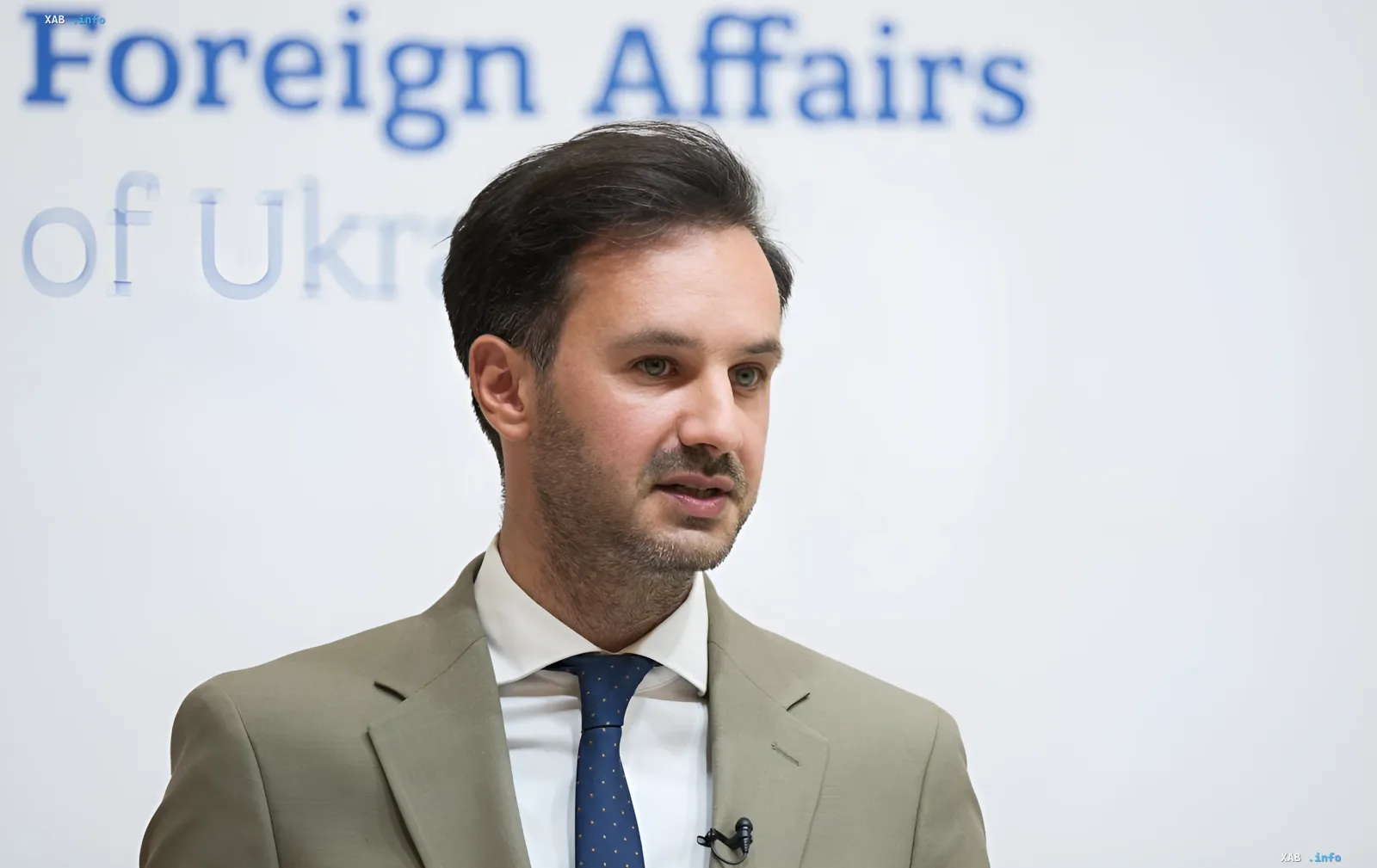
At a briefing at the Ministry of Foreign Affairs of Ukraine, the ministry's spokesperson Georgiy Tikhyy stated that the adoption by the United States of a bill on tough sanctions against Russia and Iran would become a key instrument for deterring the aggressor and compelling Moscow toward peace. In his words, the document is capable of triggering a chain reaction among other countries, pushing the international community toward similar restrictive measures. The statement came against the backdrop of Kyiv considering intensified pressure on Russia an "urgent and critically important matter."
Kyiv's Position: Sanctions Pressure as a Path to Peace
Tikhyy emphasized that President of Ukraine's team, the MFA, and the Ukrainian embassy in Washington are "working very actively" to ensure the bill is adopted. He acknowledged that an internal political debate continues around the document in the US and that it has its own nuances; however, in the diplomat's assessment, intensifying pressure is the priority. "This is truly needed by Ukraine in order to deter the aggressor, this is needed in order to compel Moscow toward peace, among other things. And in our view, the adoption of this bill, its subsequent signing by the President of the United States, will bring us closer to peace. That is the most important thing," the MFA spokesperson stated, adding that Ukraine "eagerly awaits the vote and the further passage of the document until its enactment."
Status of the Bill in the US Congress
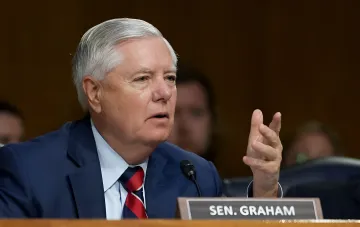
As the MFA reminded, in August the US Senate supported the bill of the late Senator Lindsey Graham, providing for the introduction of tough sanctions against Russia and Iran. The document was supported by 86 senators, while 11 voted against. Thus, the upper chamber has already approved the initiative; however, to enter into force it must pass further stages — including a vote in the House of Representatives and signing by the President of the United States. It is at this stage, according to Tikhyy, that the work of Ukrainian diplomats in Washington is focused.
What the Document Provides For: Tariffs, Banks, and the 'Shadow Fleet'
The bill, in particular, provides for tariffs of up to 100% for the largest buyers of Russian energy, as well as sanctions against the leadership of the Russian Federation, banks, energy projects, and the so-called "shadow fleet." In addition, the document contains provisions for tariffs of up to 500% on direct imports from Russia. The MFA spokesperson noted that the adopted law will influence the sanctions of other countries and "will certainly also stimulate the rest of the international community to intensify pressure on the aggressor."
Iran's Reaction and the International Context
The sanctions initiative, which also touches Iran, has already provoked a sharp reaction from Tehran: the Iranian MFA called the new US measures "economic terrorism" and a "crime." In Washington, according to specialized media, discussion of the bill is accompanied by debate over its political consequences for the US leadership. Against this backdrop, Kyiv emphasizes that it is precisely multi-vector pressure — through tariffs, financial restrictions, and action against the "shadow fleet" — that is capable of changing Moscow's calculations and bringing a peaceful settlement closer.