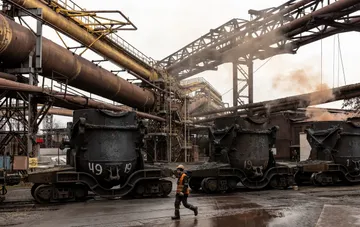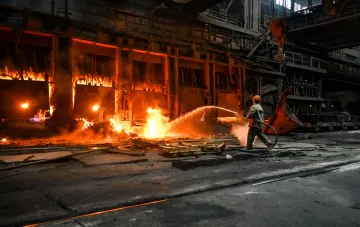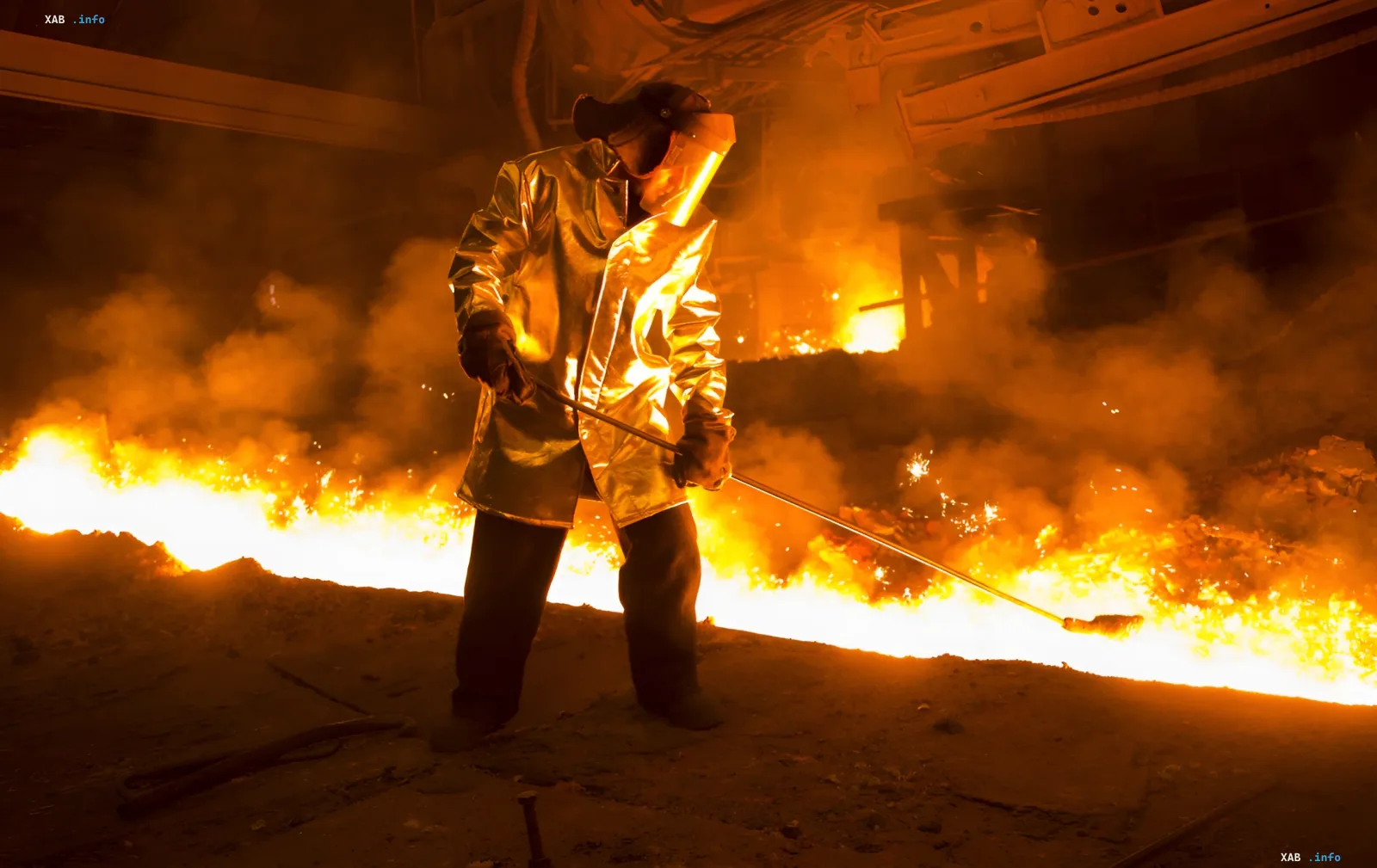
Ukrainian metallurgy is caught in a double fire: on the one hand, Russian strikes on industrial infrastructure are deliberately knocking out the country's largest plants, while on the other, the cost of electricity for industry remains among the highest in Europe, undermining the sector's competitiveness in international markets. According to RBC-Ukraine, over the nine months of the previous year the average price of electricity on the "day-ahead" market in Ukraine was 106 euros per megawatt-hour, whereas in France it reached 61 euros, in the Czech Republic — 94 euros, and in Germany — 80 euros. For energy-intensive enterprises, where energy costs can account for up to 60% of the product's unit cost, this price gap has become a matter of survival.
Targeted strikes on the plants
Russia continues to attack one of the largest sectors of Ukrainian industry. Following a strike on August 16, the country's largest metallurgical plant, ArcelorMittal Kryvyi Rih, was partially shut down. On August 27, the enemy delivered a repeat strike on Zaporizhstal; the timeline for resuming the plant's operations had not been determined at the time of publication. These events compound systemic problems: since the start of the year, metallurgists have been forced to cut production and exports to foreign markets due to the blockage of seaports and the introduction of a carbon tax at the EU border. To this dramatic picture were added the rise in rail freight tariffs from August 1 and the chronically high cost of electricity.
The energy price gap and the cost structure
Electricity expenses account for a critical share of the price structure of metallurgical products. According to estimates by the consulting firm GMK Center, the energy component is 50–60% in iron ore concentrate, 30–35% in iron ore pellets, and 10–15% in steel smelted in electric arc furnaces. Although the cost of electricity for industry has fallen somewhat in recent months amid declining demand, price levels remain high for end consumers, especially for metallurgical plants operating at the margin of profitability.
International competition: subsidies versus Ukrainian prices
High domestic electricity prices worsen Ukraine's already vulnerable position in the global metal products market. China applies preferential electricity tariffs for the ferrous and non-ferrous metallurgy, while Turkish companies continue to buy raw materials from Russia at a substantial discount. EU countries also support their own producers: a program compensating indirect carbon costs for high-energy-consuming enterprises is in effect, and the Clean Industrial Deal, which provides funding for reducing energy costs, is being implemented until 2030. GMK Center analyst and Candidate of Economic Sciences Andrii Hlushchenko describes these mechanisms as "subsidizing part of enterprises' energy costs," to which billions of euros are allocated annually. Italy and Germany have separate programs to support their own metallurgy, which has become a hostage to high global energy prices.
Industrial policy and the direct contracts mechanism
People's Deputy and Deputy Chair of the Parliamentary Committee on Economic Development Dmytro Kysylevskyi argues that Ukraine's industrial policy should be aimed at making the energy price for industry the lowest in the EU, and emphasizes that European support models are "the result of a well-thought-out industrial policy" that Ukraine should follow. To supply industry with larger volumes of electricity at an acceptable price, the government has authorized the holding of auctions, the results of which lead to contracts for a quarter, half a year, or a year. The obligation to sell electricity under such contracts has been placed on the state companies Energoatom and Ukrhydroenergo. The mechanism, however, requires further refinement to become a full-fledged tool for reducing energy costs for metallurgists.